Breast implant surgery is a popular method for enhancing breast shape and volume, providing a more proportionate and beautiful figure. Silicone or saline implants are inserted into the breast tissue to increase size and volume. This procedure is typically performed for those seeking larger breasts or individuals needing to restore volume lost due to pregnancy, breastfeeding, weight loss, or breast cancer surgery.
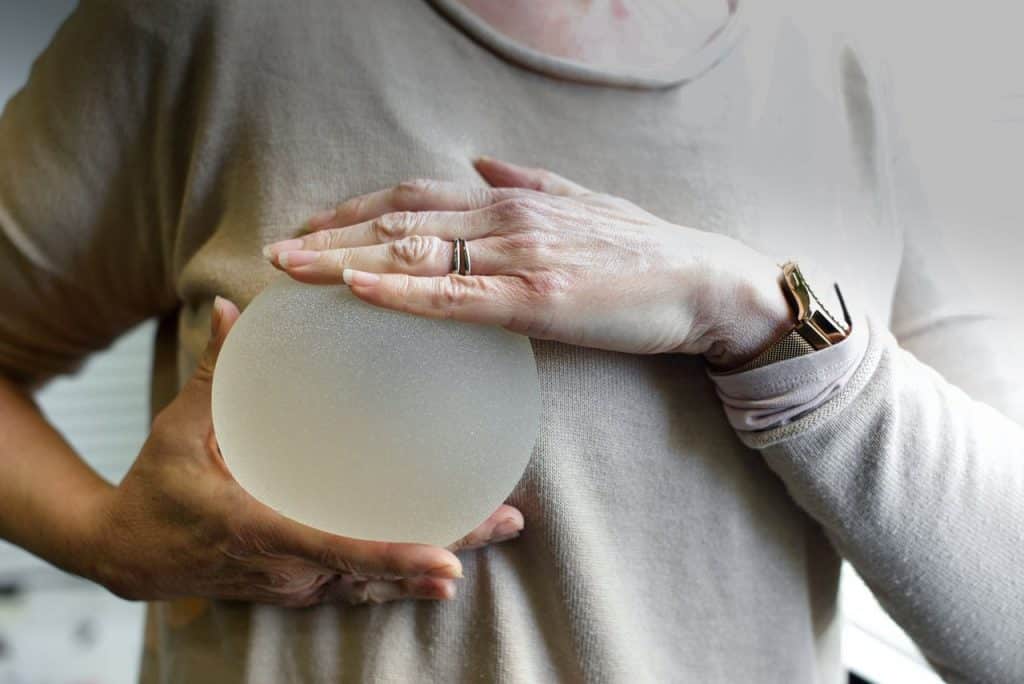
At Dr. Karina Ghadimi’s clinic, we provide specialized services using advanced techniques to achieve natural and proportionate results. With 15 years of experience in performing breast prosthesis, breast lift, and mammoplasty procedures while adhering to the highest medical standards, Dr. Ghadimi ensures you are in skilled and professional hands.
For a more balanced physique, we also offer services such as abdominoplasty to flatten the abdomen or 360-degree liposuction to remove excess fat. At our clinic, your satisfaction is our top priority, and we strive to enhance your beauty and confidence.
To receive a free consultation and book an appointment with Dr. Karina Ghadimi, contact us now or fill out the online consultation form.
Breast prostheses come in two main types: silicone and saline. The choice of prosthesis depends on the individual’s condition, personal preferences, and consultation with the surgeon.
Silicone Prosthesis: Filled with silicone gel, this type provides a more natural feel to the breasts, making it ideal for those seeking a more natural result. Silicone prostheses offer greater shape and flexibility and are resistant to changes in breast shape over time. Since they are made of silicone gel, they typically do not cause issues if they rupture, though they may gradually lose their contents in case of a tear.
Saline Prosthesis: Filled with a saline (saltwater) solution, this type is safely absorbed by the body if the prosthesis ruptures. However, saline prostheses may feel less natural and can create a firmer sensation, especially in individuals with very thin skin.
Many people are familiar with the terms silicone or saline prostheses, but fewer pay attention to the differences in shape, which is a key factor in the final surgical outcome.
Round Prosthesis: As the name suggests, round prostheses have a circular shape and create a fuller appearance at the top of the breasts. They are suitable for individuals who prioritize more prominence and an attractive look at the upper breast. Round prostheses are typically chosen for women with insufficient breast tissue who want fuller, well-shaped breasts.
Anatomical (Teardrop) Prosthesis: Anatomical or teardrop prostheses closely resemble the natural shape of the breast, with a fuller lower part and a gentler slope at the top. This option is ideal for women seeking a more natural result, avoiding an overly prominent or unnatural appearance.
The choice between round and teardrop prostheses depends entirely on personal preference and the surgeon’s recommendations. Some prefer a more natural look, while others seek a more striking and prominent appearance.
One of the key topics discussed during the consultation is the placement of the prosthesis. Prostheses can be placed in two main positions:
Submuscular (Under the Muscle): In this method, the prosthesis is placed beneath the chest muscle. This approach results in a more natural breast appearance, reduces the risk of prosthesis rippling, and is suitable for women with minimal breast tissue. Additionally, it facilitates easier detection of tissue changes during mammography. However, the recovery period is slightly longer, and it may involve more discomfort compared to the alternative method.
Subglandular (Under the Breast Tissue): Here, the prosthesis is placed under the breast tissue but above the muscle. This method is chosen for individuals with sufficient breast tissue and has a shorter recovery period. However, the edges of the prosthesis may be more visible in thinner individuals.
The choice of placement depends on the individual’s physical condition, the amount of existing breast tissue, and the surgeon’s recommendation. The surgeon will evaluate your body shape and preferences to make the best decision.
At Dr. Karina Ghadimi’s clinic, we offer a comprehensive and free consultation before breast prosthesis surgery. This consultation allows you to ask all your questions about breast prostheses, the surgical process, types of prostheses, and the expected results. Our goal is to help you make an informed decision and feel confident in your choice.
This consultation is an excellent opportunity for stress-free, informed decision-making. Simply contact the clinic or fill out the online request form to book your consultation.
Breast prosthesis surgery is a precise, multi-stage procedure requiring high surgical skill and strict adherence to safety protocols. Understanding the stages of the procedure helps patients approach the treatment with clarity and reduces potential concerns.
Proper preparation is crucial for achieving the best results:
Medical Consultation and Health History Review: Includes assessing medical conditions, drug allergies, and previous surgeries.
Tests and Imaging: Ultrasound, mammography, and blood tests to ensure the health of the breasts and body.
Discontinuing Blood-Thinning Medications: Medications like aspirin or certain supplements that increase bleeding risk should be stopped.
Quitting Smoking and Alcohol: Nicotine and alcohol can slow healing and tissue recovery.
Maintaining Stable Weight and Healthy Diet: A nutrient-rich diet with proteins and vitamins supports faster tissue healing and reduces swelling.
Mental Preparation and Recovery Planning: Having family support, preparing a suitable recovery environment, and managing rest time are essential for a smooth recovery.
Proper post-operative care directly impacts the final results:
Use of a Medical Bra: Patients must wear a specialized medical bra for several weeks to keep the prosthesis in place and reduce swelling.
Avoiding Strenuous Activities: Heavy exercise or intense physical activities should be postponed for at least one month.
Sleeping Position: Patients should avoid sleeping on their stomach or side for the first few weeks and sleep on their back to prevent pressure on the prostheses.
Medication Adherence: Prescribed medications, including painkillers and antibiotics, should be taken as directed.
Regular Follow-Ups: Periodic visits to the doctor are necessary to monitor the prosthesis and recovery progress.
Breast prosthesis surgery is suitable for women seeking to improve the shape and size of their breasts. It is often recommended for those dissatisfied with their natural breast size or whose breasts have changed due to pregnancy, breastfeeding, or significant weight fluctuations. Women with breast asymmetry or sagging may also benefit from this procedure.
Ideal candidates should be in good overall health and have realistic expectations about the surgical outcomes. Those who understand the surgical process and post-operative care requirements are well-suited for this procedure. Individuals unable to engage in heavy physical activities or sports due to medical or physical reasons should consult their doctor before deciding on surgery.
Modern breast prostheses are made from high-quality, standard materials and generally have a long lifespan. Factors affecting prosthesis durability include:
Prosthesis Type: Silicone prostheses typically offer a more natural feel and are resistant to rupture, while saline prosthesis contents are safely absorbed by the body if ruptured.
Surgical Technique and Surgeon Expertise: Advanced techniques and the surgeon’s skill in prosthesis placement and minimizing tissue stress play a significant role in prosthesis longevity.
Post-Operative Care: Using a medical bra, avoiding strenuous activities, and regular follow-ups help maintain the prosthesis’s shape and durability.
Body Changes Post-Surgery: Significant weight gain or loss, pregnancy, and hormonal changes can affect breast shape and size, so maintaining a healthy lifestyle is recommended.
To receive a free consultation from Dr. Karina Ghadimi, complete the form below. Our team will contact you as soon as possible and provide all the necessary information.
After my breast prosthesis surgery at Dr. Ghadimi’s clinic, I feel like I’ve rediscovered myself. The results are very natural and beautiful, and all the issues I previously had with the appearance of my breasts have been resolved. The entire medical team was highly professional and kind.
I had always wanted to change the size of my breasts, and now, after breast prosthesis surgery, I can easily wear the clothes I’ve always dreamed of. The results were fantastic, and I have experienced no discomfort or issues whatsoever.
A Mommy Makeover is a combined cosmetic surgery procedure that usually includes several aesthetic surgeries such…
Otoplasty surgery, or ear cosmetic surgery, is one of the common methods used to correct abnormalities…
Otoplasty, or ear cosmetic surgery, is one of the most popular cosmetic surgical procedures performed to…
Mammoplasty, as one of the most popular cosmetic and reconstructive surgeries in the field of medicine,…
The experience of pregnancy and childbirth is one of the most beautiful stages in the lives…
In recent years, the injection of dermal fillers has become one of the most popular methods…
To receive a free consultation from the specialists at Dr. Karina Ghadimi Clinic, please fill out the form below.
Our team will contact you as soon as possible and provide all the information you need.


