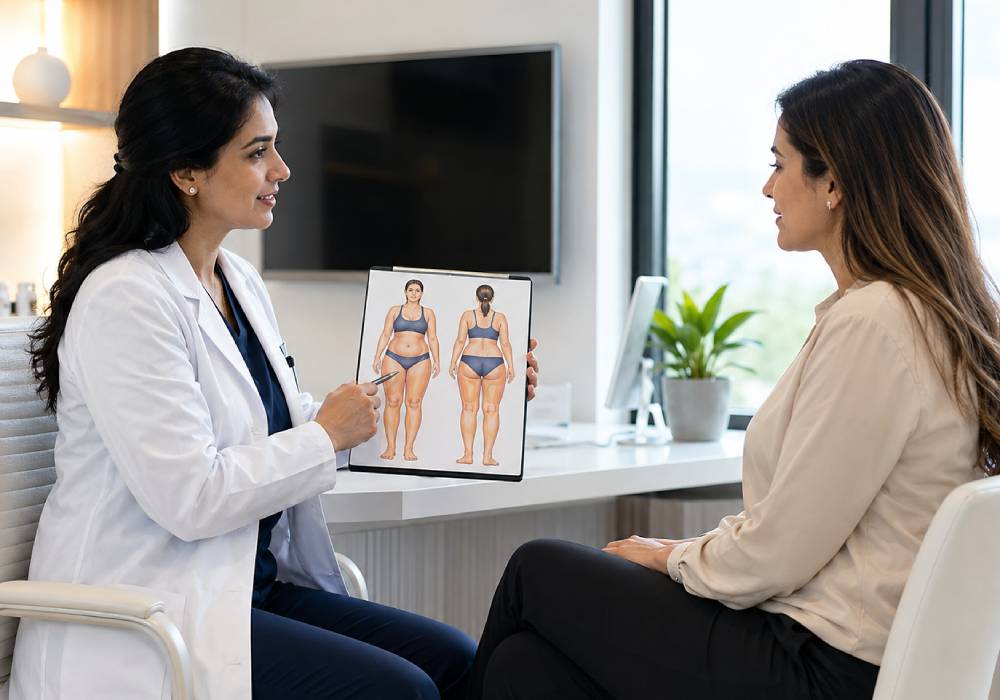
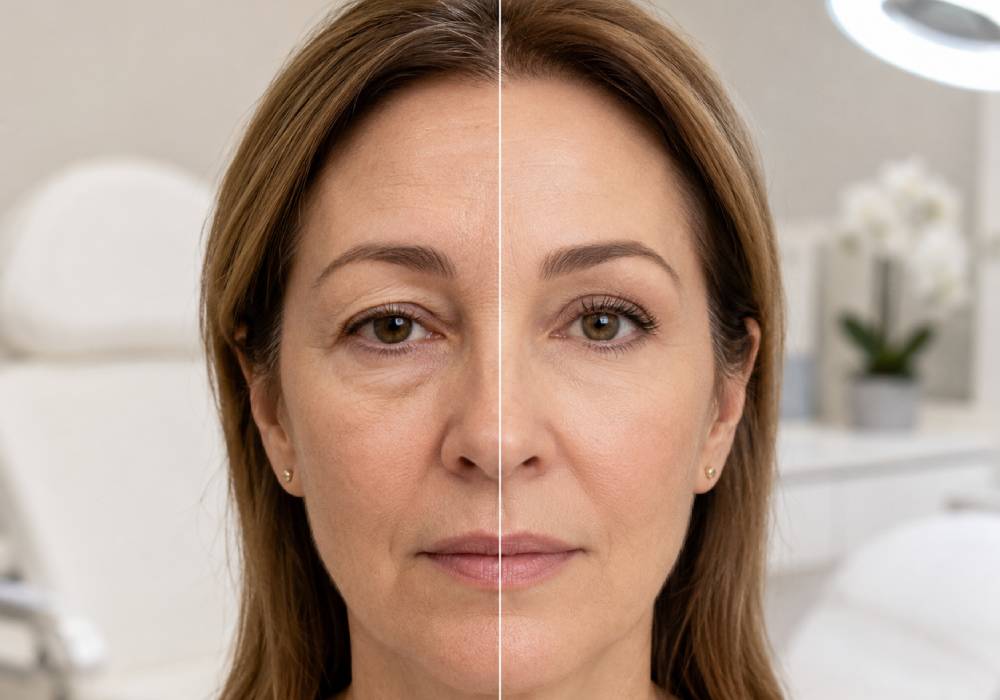
Abdominoplasty is one of the most effective surgical methods for correcting abdominal sagging and looseness. It is performed with the aim of removing excess skin and fat and also tightening the abdominal wall muscles. Many people expect a permanent and completely stable result after this procedure, but in some cases it is observed that over time the abdominal area becomes loose or saggy again. This situation is usually not considered a surgical failure, but rather the result of a combination of factors such as weight changes, lifestyle, pregnancy, skin quality, and even post-operative care. Understanding these factors helps individuals take better care of their surgical results and maintain them for a longer period.
Abdominoplasty and its effect on body proportion
Abdominoplasty is an important cosmetic body surgery aimed at restoring harmony and proportion in the abdominal area and ultimately improving the overall body shape. In this procedure, excess skin and stubborn fat in the abdominal area are removed, and at the same time, muscles that have become loose due to pregnancy, weight gain, or severe weight loss are repaired and tightened. The result of these changes is a smoother abdominal surface and a reduction in unwanted bulges, which directly affects the overall body proportion. These changes in abdominoplasty lead to a more defined waistline and a better balance between the abdomen, flanks, and other body parts. Therefore, many people after undergoing this procedure feel a significant improvement in body shape and overall physical harmony.

Factors affecting the return of abdominal laxity after abdominoplasty
The factors affecting the return of abdominal looseness after abdominoplasty are usually not limited to a single cause and are the result of a combination of conditions. The most important factor is weight changes after surgery, which can lead to re-expansion of fat tissue and accumulation of fat in the abdominal area. In addition, weak core muscles and reduced physical activity gradually decrease the strength of the abdominal wall. Skin quality and genetic characteristics, the natural aging process, pregnancy after surgery, and not following post-operative care instructions are other factors that can reduce the longevity of results and contribute to the return of abdominal laxity.
Weight changes; the most important factor in the return of abdominal sagging
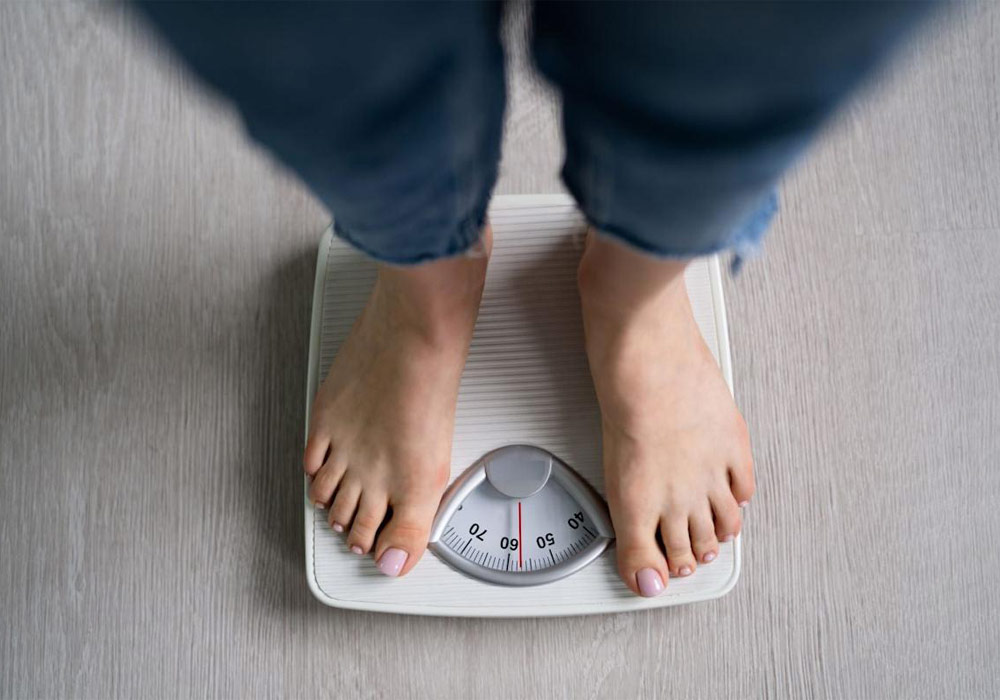
Weight changes after abdominoplasty are one of the most important factors in the return of abdominal looseness and have a direct effect on the durability of surgical results. When a person gains weight after surgery, fat cells in the abdominal area increase in volume, which leads to skin stretching and changes in the achieved shape. Also, repeated weight fluctuations put continuous pressure on the repaired tissues and can gradually reduce skin firmness and quality. In such conditions, even with a successful surgery, failure to control weight can negatively affect the smooth and proportional appearance of the abdomen and highlight the importance of maintaining a stable weight.
Weak core muscles and inactivity
Weak core muscles and inactivity are important factors that contribute to the return of abdominal looseness after abdominoplasty. The abdominal, flank, and pelvic muscles are responsible for supporting the abdominal wall, and if these muscles are not strong enough, more pressure is placed on the skin and superficial tissues. Inactivity and lack of regular physical activity gradually reduce the strength of these muscles and the stability of the abdominal area. In such conditions, even if the surgery is performed successfully, the lack of sufficient muscular support can over time affect the shape of the abdomen and negatively impact its smooth and firm appearance.
Pregnancy after surgery; one of the determining factors
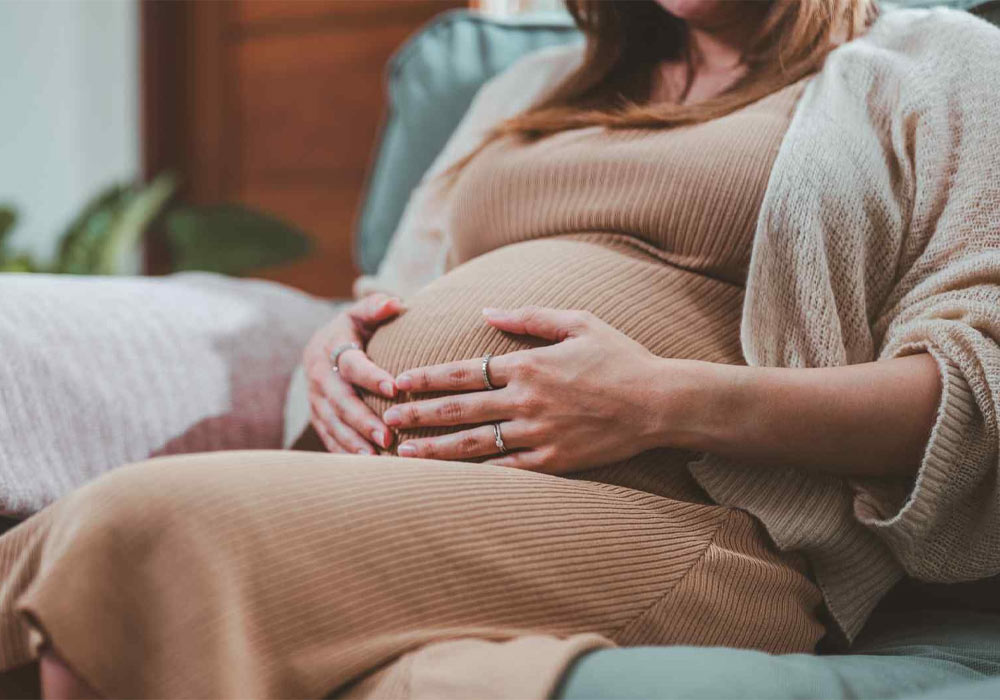
Pregnancy after abdominoplasty is one of the important and determining factors in changing surgical results. During pregnancy, the gradual growth of the uterus causes significant stretching of the abdominal wall and skin, and this pressure can affect the reconstructed muscle structure again. Even in cases where the surgery has been performed successfully, hormonal changes and increased abdominal volume during this period may lead to partial return of looseness or sagging.
The extent of these changes depends on factors such as the condition of the muscles before pregnancy, the time interval between surgery and pregnancy, and weight changes during this period. As a result, pregnancy after abdominoplasty can reduce the durability of the result, and in many cases it is recommended that pregnancy plans be fully determined before surgery.
Skin quality; a genetic and natural factor
Skin quality is one of the most important factors in maintaining the results of abdominoplasty and preventing the return of abdominal looseness. Skin differs in individuals in terms of thickness, subcutaneous fat level, and elasticity, and these characteristics are mostly influenced by genetics, age, and the levels of collagen and elastin. When the skin has higher elasticity, it adapts better to the new body shape after surgery and the result remains more stable. In contrast, skin with lower elasticity or skin that has been weakened due to aging and multiple pregnancies shows less resistance to weight changes and natural body pressure and gradually develops reduced quality and renewed looseness.
Surgical technique and its role in the final result
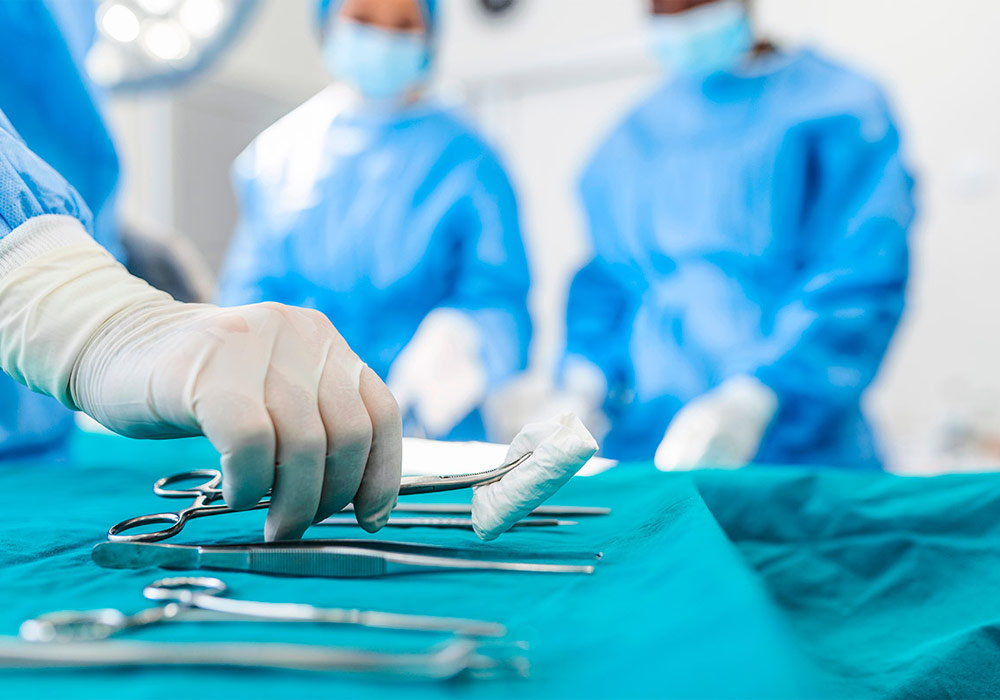
Surgical technique in abdominoplasty plays a very important role in the final outcome and its durability. The method of performing the surgery, the degree of muscle tightening, the way excess skin and fat are removed, and even the location of incisions can all directly affect the final abdominal shape. In some cases, to improve overall body contour and reduce fat in the abdomen and flanks, methods such as 360-degree liposuction are used alongside abdominoplasty to achieve a more harmonious and natural result. When the surgery is performed with high precision and according to the individual’s body condition, the result will be more stable; however, if the technique is not properly selected or the procedure is performed inaccurately, the likelihood of reduced durability and changes in abdominal shape over time increases.
Post-operative care; a decisive stage
Post-operative care after abdominoplasty plays a very important role in the quality of the final result and in preventing the return of abdominal looseness. Carefully following the doctor’s instructions, proper and regular use of compression garments, avoiding heavy physical activity in the initial weeks, and paying attention to nutrition are among the factors that can improve the healing process. Neglecting these care instructions may lead to increased swelling, pressure on repaired muscles, and reduced surgical stability. In fact, the post-operative period is as important as the surgery itself, and the individual’s behavior during this stage has a direct impact on the durability of the new abdominal shape.
Nutrition and lifestyle; a hidden but important role
Nutrition and lifestyle play an important role in maintaining the results of abdominoplasty and preventing the return of abdominal looseness, although this role is less visible. Consuming healthy and balanced foods, adequate protein intake for tissue repair, and controlling fat and sugar intake in the diet help maintain stable weight and prevent re-accumulation of fat in the abdominal area. Alongside nutrition, a sedentary lifestyle, irregular sleep, and high stress levels can affect the body’s healing process and gradually reduce the quality of surgical results. Maintaining a balanced and stable lifestyle plays an important role in preserving a smooth and firm abdominal shape in the long term.
Smoking and its effect on result durability
Smoking after abdominoplasty is one of the factors that can seriously affect the healing process and ultimately have a negative impact on the longevity of surgical results. The nicotine in cigarettes causes narrowing of blood vessels, which reduces blood flow to healing tissues.
As a result, sufficient oxygen and nutrients do not reach the abdominal skin and muscles, and the healing process slows down. This condition can reduce tissue healing quality and decrease abdominal firmness in the long term. On the other hand, smoking also disrupts collagen production, reducing skin elasticity and increasing the likelihood of recurrence of sagging. Ignoring this issue can cause surgical results to last for a shorter time and the abdominal shape to change sooner than ideal.

Care principles to prevent re-sagging of the abdomen after surgery
To prevent the return of abdominal looseness after abdominoplasty, following a set of care principles is essential. Paying attention to early post-operative care plays an important role in better healing of skin and muscles and helps stabilize the new abdominal shape. Limiting heavy physical activity, proper use of compression garments, and maintaining correct body posture during rest are among the points that must be taken seriously. In addition, weight control and avoiding weight fluctuations are very important. If you are looking for a good center for abdominoplasty, you can visit drkarinaclinic and benefit from professional and high-quality services.
Conclusion
Overall, abdominoplasty is an effective method for correcting abdominal sagging and improving body shape, but the durability of its results depends entirely on a set of individual and behavioral factors. Weight changes, pregnancy, skin quality, muscle condition, and lifestyle are among the most important factors that can affect surgical outcomes over time. In addition, careful adherence to post-operative care and avoiding behaviors such as inactivity or smoking play an important role in maintaining a flat abdominal shape. In fact, successful results are not limited to the surgery itself, and how the results are maintained in the following months and years is of great importance. By following these points, the durability and quality of the result can be significantly increased and the proportional appearance of the abdomen can be maintained for a longer period.
Also read: