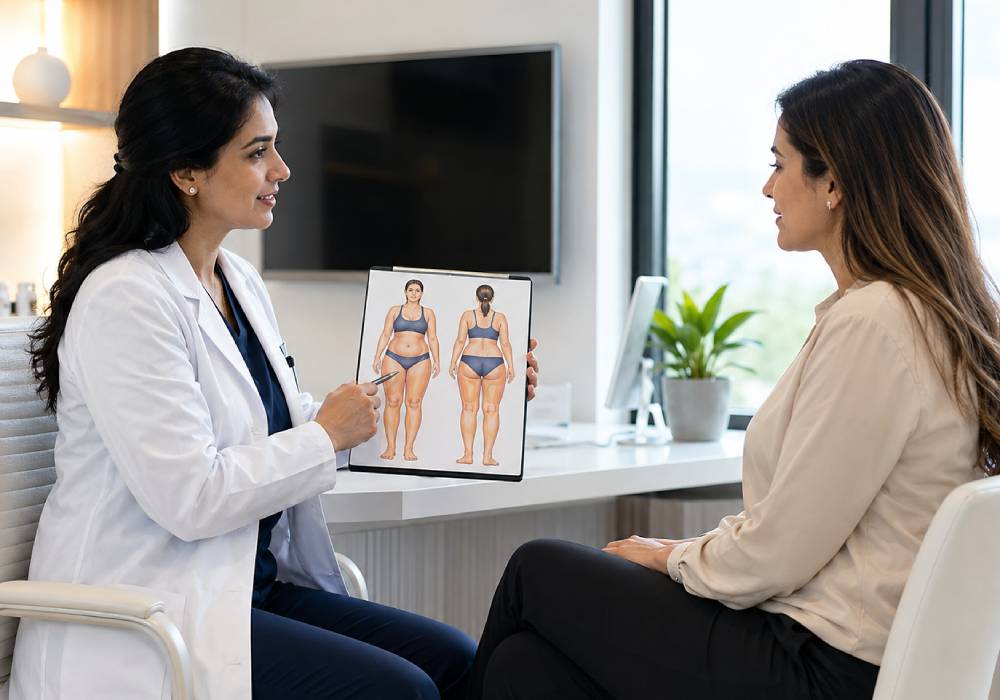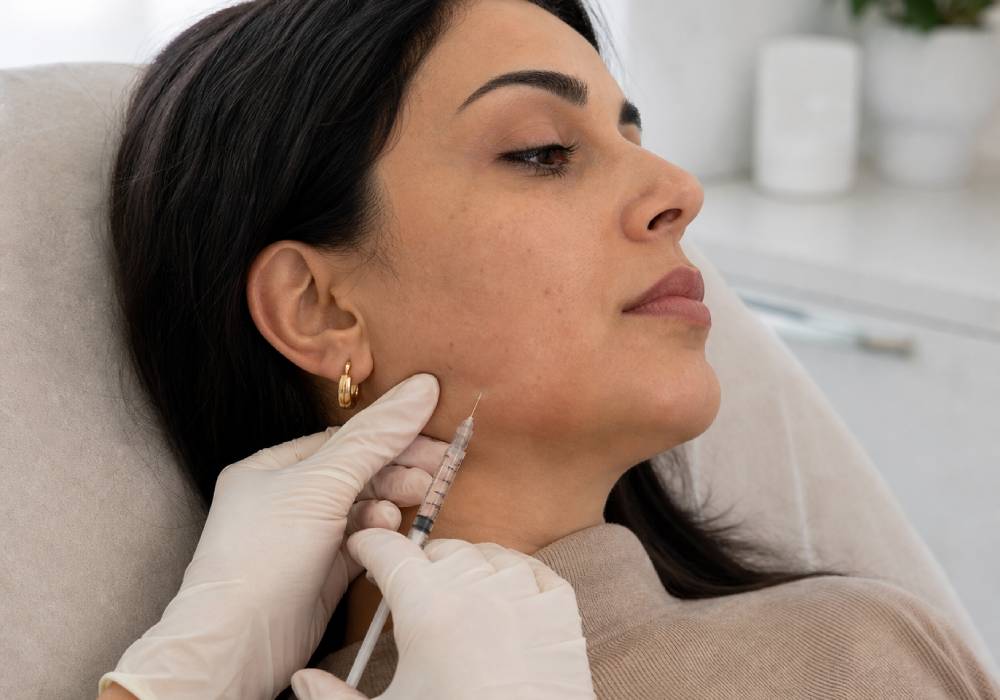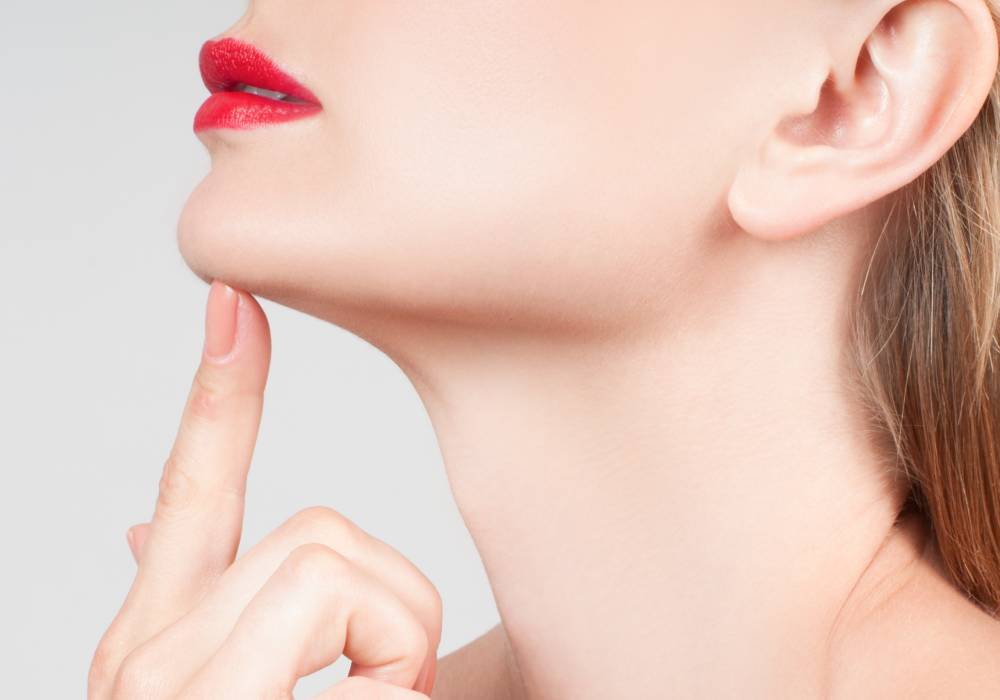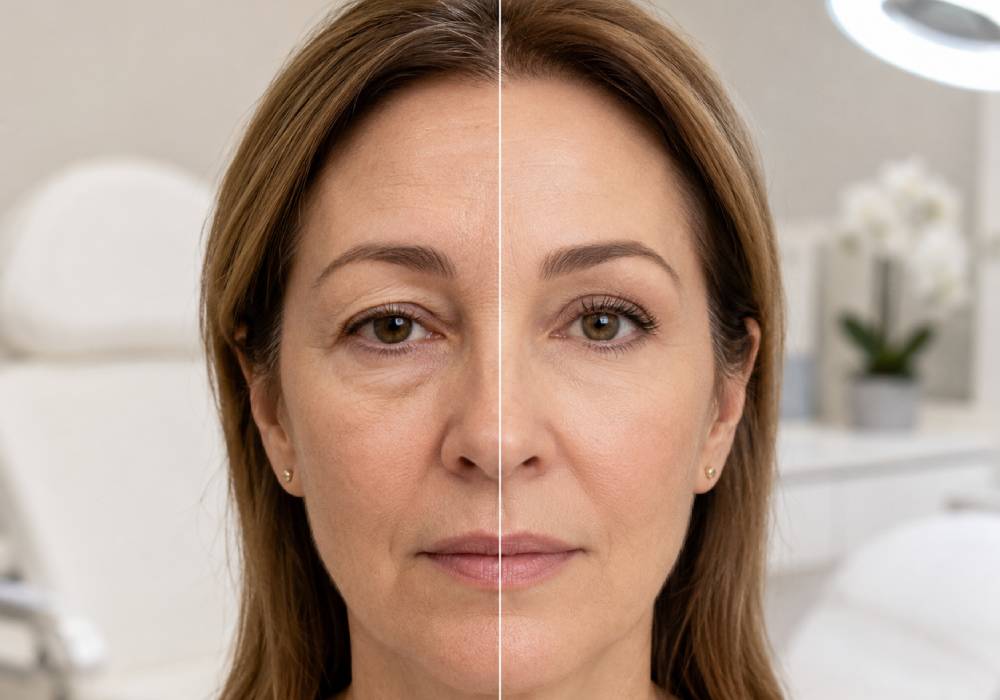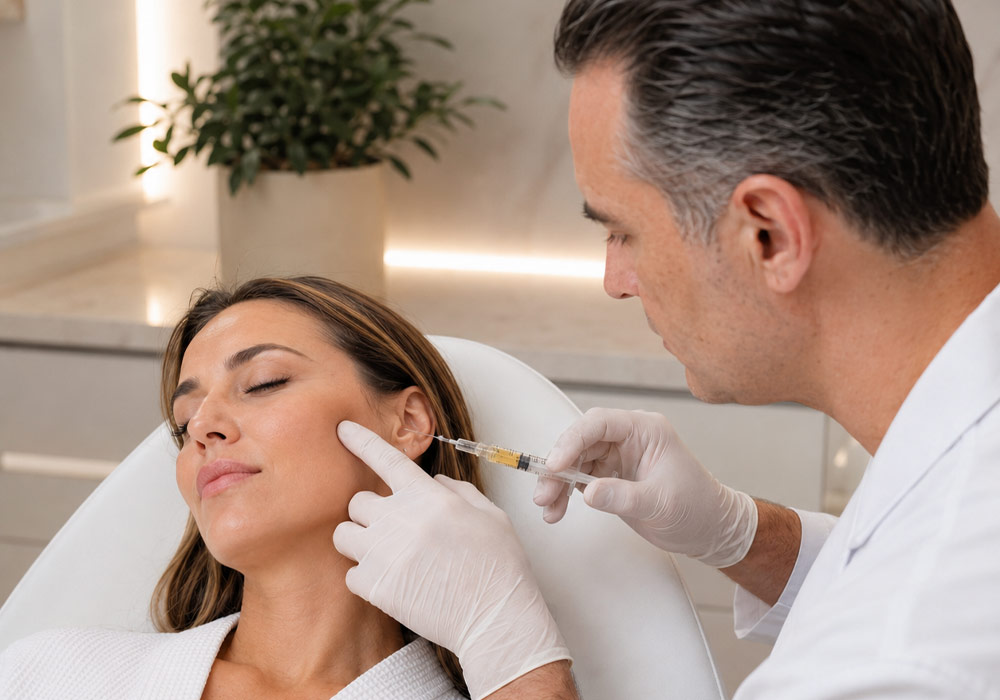
Facial fat injection is a method for restoring lost volume and improving facial harmony. It is performed by harvesting fat from the patient’s own body and transferring it to different areas of the face. Choosing the right time for this procedure is very important, as skin characteristics, the degree of subcutaneous tissue loss, and each individual’s aesthetic needs play a decisive role in the final outcome. A careful assessment of the facial condition and an informed choice of timing for the injection help ensure a more natural result and better harmony between different parts of the face.
What is facial fat injection?
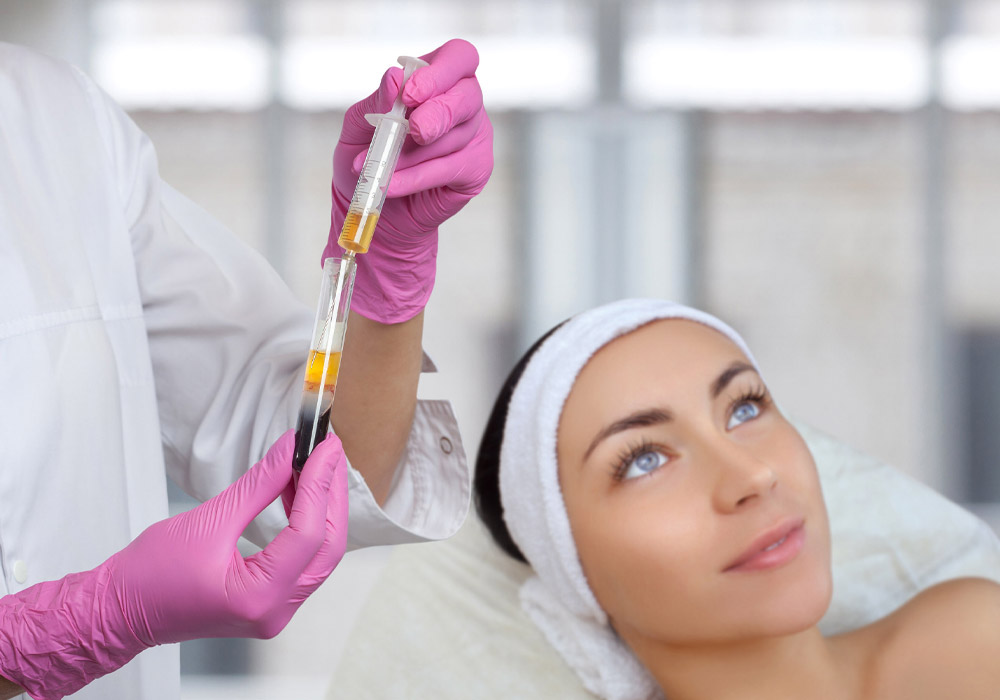
Facial fat injection is an aesthetic procedure in which fat is removed from areas such as the abdomen, thighs, or flanks, then processed and injected into different areas of the face, such as the cheeks, under the eyes, temples, and lines around the mouth. The goal of this method is to restore lost volume, reduce hollow areas, and improve facial proportions. Using the patient’s own body tissue allows better compatibility with the natural structure of the face, resulting in a softer, smoother, and more balanced appearance.
What factors determine the best age for fat injection?
Contrary to popular belief, age alone is not a suitable criterion for deciding on facial fat injection. Other more important factors also play a role in this decision:
Degree of facial fat loss
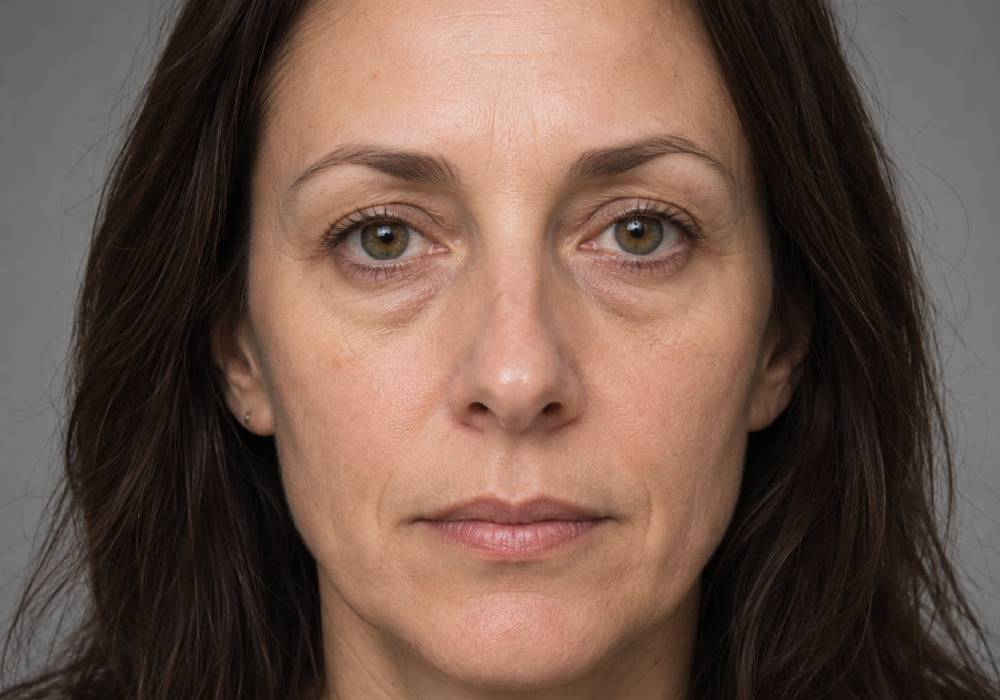
The degree of facial fat loss is one of the important factors in facial appearance changes, which gradually occurs due to aging, lifestyle, and genetic characteristics. With the reduction of subcutaneous fat tissue, the natural shape of the face changes, and areas such as the cheeks, temples, and under-eye region become more hollow. The intensity of this change is not the same in everyone and may appear earlier or later, but in many cases, this gradual process leads to reduced facial freshness and changes in facial balance.
Skin quality
Skin quality is one of the most important factors affecting the outcome of facial fat injection. Skin with adequate thickness and good elasticity usually shows a more even surface after injection and better harmony with the new facial volume. In contrast, when the skin is dry, lacks firmness, or shows sagging, a more detailed evaluation is required before the procedure, as these conditions can affect fat distribution and the final appearance.
Lifestyle
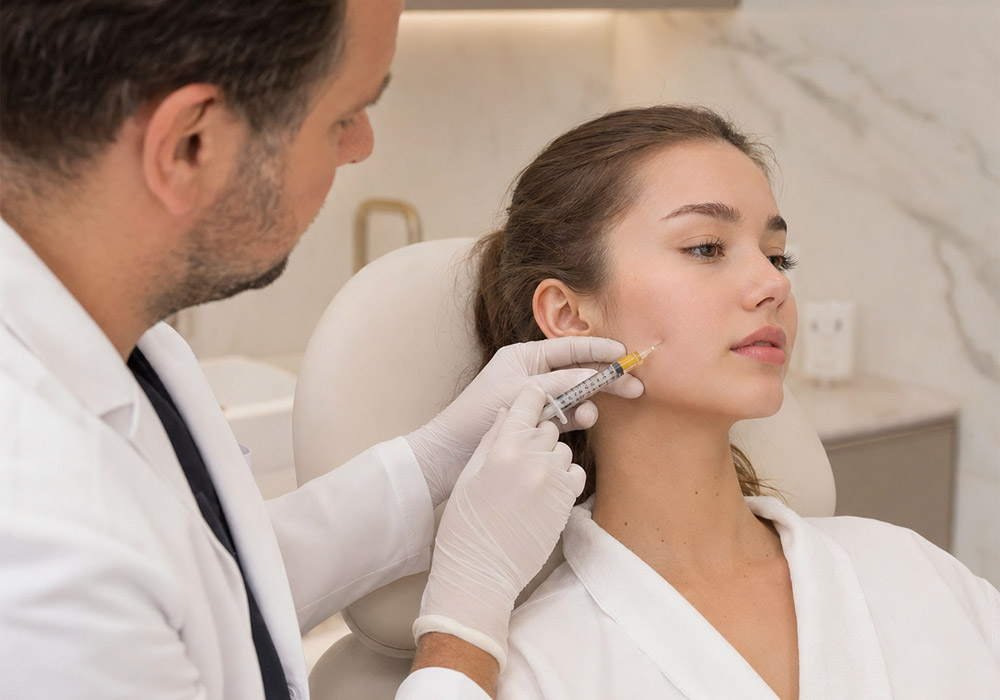
Lifestyle plays an important role in skin condition and the process of facial changes. Factors such as poor nutrition, lack of sleep, stress, and smoking can reduce skin vitality and accelerate the decline in facial tissue quality. In contrast, maintaining a balanced diet, sufficient sleep, and proper skincare helps preserve skin freshness and health. Together, these factors also influence the final result of fat injection and can affect its durability and uniformity.
Genetics
Genetics is one of the key factors in determining facial structure and how it changes over time. Features such as natural facial volume, distribution of subcutaneous fat, and the speed of visible changes are largely influenced by heredity. Therefore, some individuals experience volume loss in certain facial areas at a younger age, while in others these changes appear later. These individual differences make it important to evaluate each person separately.
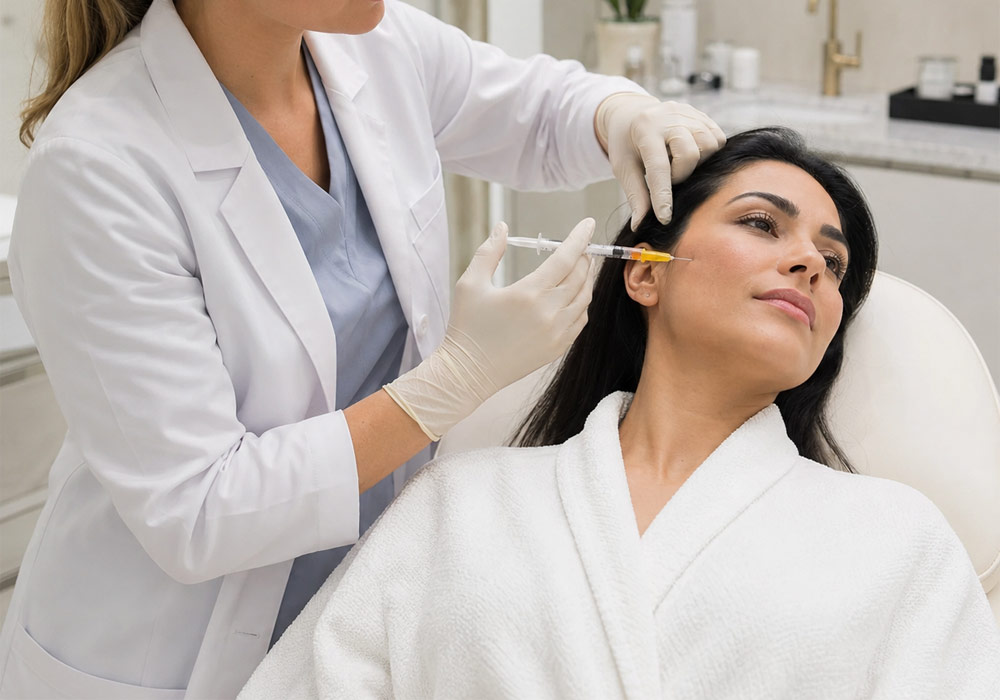
The best age for facial fat injection
In general, facial fat injection does not have a specific age limit, but different goals are pursued in different age ranges:
Ages 20 to 30
In the age range of 20 to 30, facial fat injection is usually performed to improve facial shape and enhance the balance of facial features. At this stage, the skin structure still has good firmness, and natural facial volume is preserved in many individuals. However, in some cases such as under-eye hollowness, cheek volume deficiency, or facial asymmetry, this method is considered. Precise selection of injection areas and the amount of fat used is very important in this age group to ensure a natural and harmonious result.
Ages 30 to 40
In the age range of 30 to 40, gradual facial volume loss and changes in subcutaneous tissue quality become more noticeable, and fine lines around the eyes and mouth begin to appear. During this period, facial fat injection can help restore volume in areas such as the cheeks, temples, and under the eyes, creating better facial balance. Precision in injection amount and selection of appropriate areas is essential to maintain a natural and harmonious appearance.
Ages 40 to 55
In the age range of 40 to 55, facial volume loss and subcutaneous tissue changes become more evident, and deeper lines appear in areas such as the nasolabial folds, under-eye region, and temples. During this period, facial fat injection can play an important role in restoring lost volume and improving facial harmony. Careful selection of injection areas and attention to the amount of fat used are essential to achieve a natural result consistent with facial structure.
Over 55 years old
At over 55 years of age, facial volume loss and sagging of subcutaneous tissues become more pronounced, and areas such as the cheeks, under the eyes, and around the mouth appear more sunken. In this stage, facial fat injection can help restore lost volume and create a more balanced facial appearance, but a careful evaluation of skin condition and degree of sagging is very important. Proper fat amount selection and its structured distribution across different areas play a key role in achieving a natural and harmonious result.
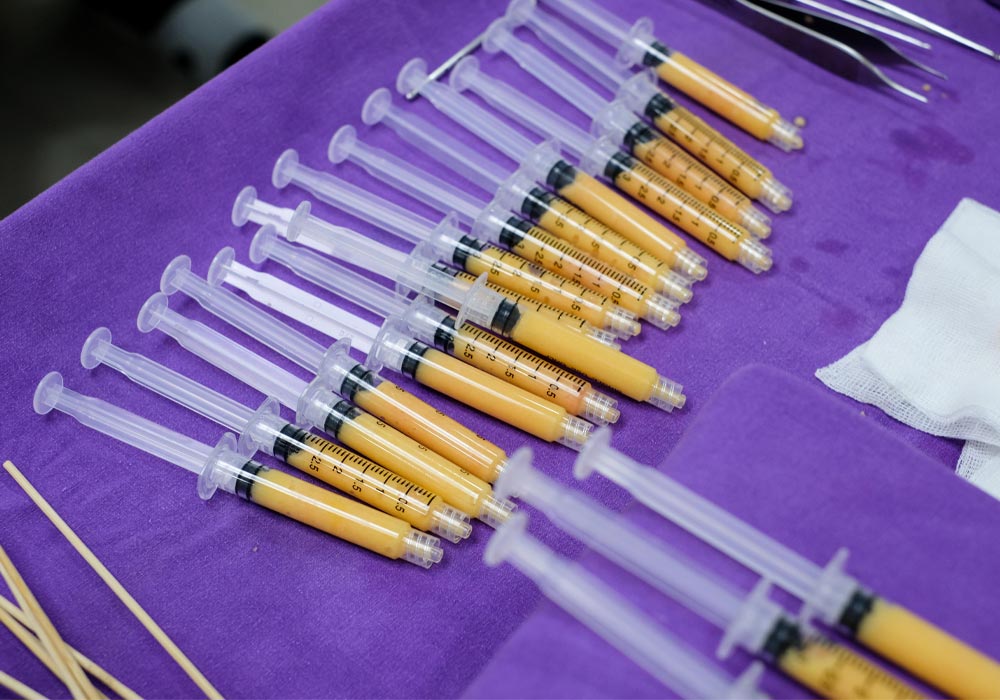
Is a young age suitable for fat injection?
At a young age, this procedure is suitable when the individual has specific asymmetries such as under-eye hollowness, lack of cheek volume, or imbalance in certain facial areas. In this age range, the natural facial structure is still relatively stable, so any procedure should be performed based on careful evaluation and real need in order to maintain overall facial harmony. The main focus at this age is on minor corrections and preserving the natural balance of facial features, not major changes in facial structure. In such cases, facial fat injection should only be considered when necessary and after thorough assessment.
Benefits of fat injection at the right age
The benefits of facial fat injection at the right age include natural improvement of facial volume, preservation of facial harmony, and achieving a more balanced result. In these conditions, hollow areas such as the cheeks and under-eye region are corrected evenly, giving the face a more youthful and balanced appearance. The use of the patient’s own body fat also improves compatibility with facial tissues and reduces the risk of irregularities or unnatural results. In some cases, to improve superficial lines and enhance facial harmony, Botox injection alongside this method can lead to a more natural and balanced outcome.
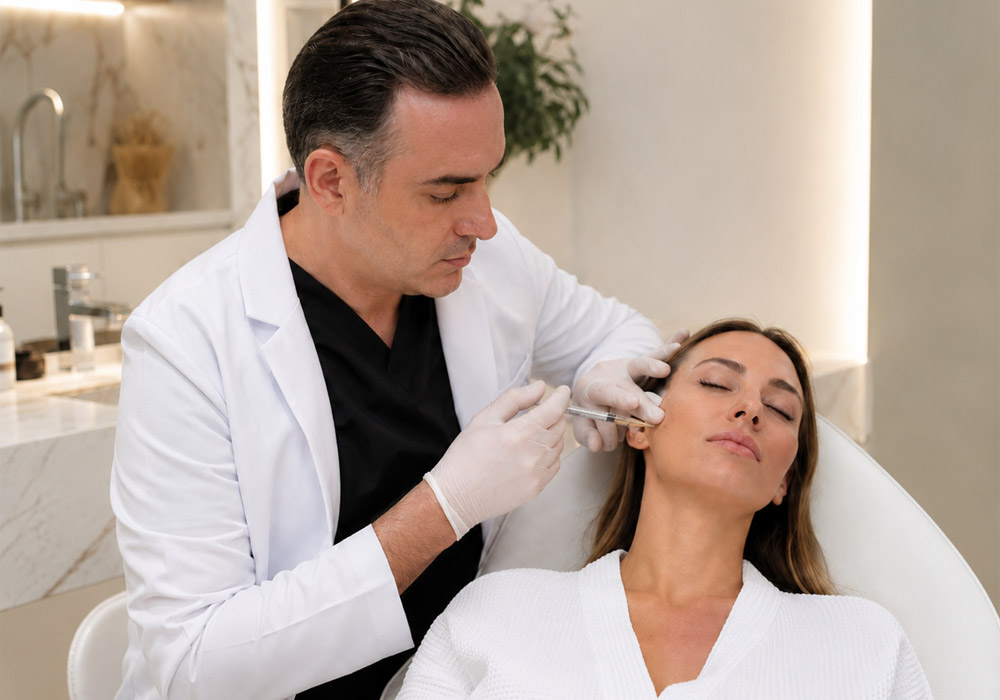
Care after facial fat injection
Post-treatment care after facial fat injection plays an important role in the quality and durability of the results. In the first few days, any pressure, massage, or manipulation of the injected areas should be avoided to allow the fat to properly stabilize in the tissue. Avoiding heavy physical activity and intense exercise also helps reduce swelling and bruising and speeds up recovery. Using cold compresses in the early hours can reduce inflammation and increase comfort. Sleeping on your back and keeping the head elevated above the body also helps control swelling. In some cases, for volume correction and improvement of facial lines, Biofiller injections are also used as a complementary method alongside other aesthetic procedures.
If you are considering facial fat injection, choosing a reputable clinic is very important. Dr. Karina Ghadimi Clinic, using specialized methods and a precise approach to facial aesthetics, provides services that can help achieve a balanced and natural result.
Conclusion
Facial fat injection is an effective method for restoring lost volume and improving facial harmony. It is performed using the patient’s own body fat, which is transferred to different areas of the face. The final result of this method largely depends on selecting the right time and carefully evaluating skin condition, the degree of subcutaneous tissue loss, and each individual’s aesthetic needs. When these factors are properly assessed, the likelihood of achieving a more natural, balanced, and harmonious facial result increases. Ultimately, informed decision-making and choosing the right timing for the procedure play a key role in the quality and durability of the outcome.