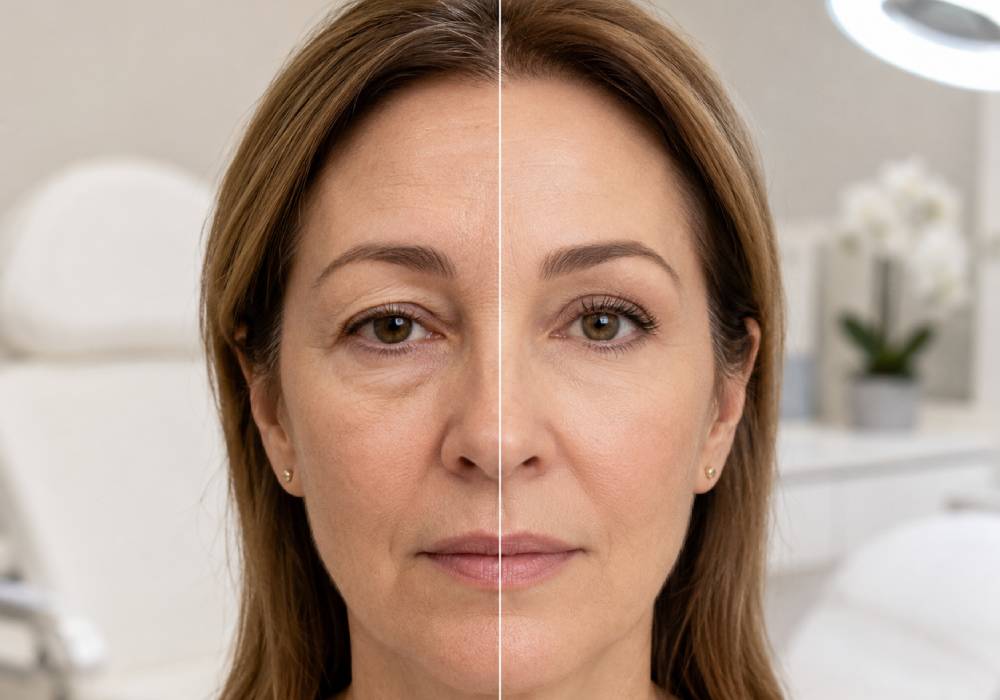
Blepharoplasty is one of the most popular cosmetic surgeries, performed to enhance the appearance of the eyelids and address various related concerns. Also known as eyelid surgery, it not only helps individuals look younger but can also correct issues such as droopy eyelids and under-eye puffiness.
In this article, we will take an in-depth look at this procedure, including its types, methods, and stages.
What Is Blepharoplasty?
Blepharoplasty is a surgical procedure that removes excess skin, fat, and tissue from the eyelid area. The surgery can be performed on the upper eyelids, lower eyelids, or both, resulting in a fresher and more youthful appearance.
Drooping eyelids, puffiness under the eyes, and wrinkles around the eyes are among the most common issues that this surgery can effectively resolve.
Besides improving appearance, blepharoplasty can also enhance vision in cases where sagging upper eyelids obstruct the visual field. By removing excess tissue, the surgery can improve the patient’s quality of life.
Who Is a Good Candidate for Blepharoplasty?
Candidates for blepharoplasty should generally be in good overall health. Individuals with chronic eye conditions or bleeding disorders should consult their doctor before considering surgery.
This procedure is especially suitable for people whose droopy eyelids interfere with their vision or cause aesthetic concerns.
Different Types of Blepharoplasty
Several techniques are used in blepharoplasty, depending on the patient’s specific needs and eyelid condition. These include upper eyelid surgery, lower eyelid surgery, and combination procedures.
Upper Eyelid Blepharoplasty:
In this procedure, the surgeon removes excess skin and fat deposits from the upper eyelid area. This effectively treats drooping eyelids that may obstruct vision. The incision is usually made along the natural crease of the upper eyelid to minimize visible scarring.
Lower Eyelid Blepharoplasty:
The surgeon makes precise incisions just below the lash line to remove or reposition excess skin and fat under the eyes. This technique is ideal for reducing under-eye puffiness and fine wrinkles.
Combined Blepharoplasty:
In some cases, the surgeon performs both upper and lower eyelid surgeries together for optimal results—especially for patients dealing with both sagging and puffiness.

Procedure Steps of Blepharoplasty
Blepharoplasty is typically performed under local anesthesia, although general anesthesia may be required in some cases. The operation usually takes one to two hours.
Here are the main steps of the procedure:
-
Incisions:
The first step involves creating small incisions in specific areas of the eyelids—preferably along natural skin folds to minimize visible scars. For the lower eyelid, incisions may be placed just below the lashes or inside the eyelid. -
Removing Excess Tissue:
The surgeon carefully removes excess skin and fat deposits and may also tighten weakened muscles for a smoother, more natural result. -
Closing the Incisions:
Finally, the surgeon closes the incisions with fine sutures. These stitches are placed in a way that leaves minimal to no visible scarring after healing.
Duration of the Surgery
The surgery usually lasts between one and two hours, depending on the complexity of the procedure and the number of eyelids being treated.
Most patients can return home the same day, as hospitalization is typically unnecessary.
Postoperative Care After Blepharoplasty
Proper aftercare is crucial for smooth and quick recovery. Some essential postoperative instructions include:
-
Adequate Rest: Rest is essential during the first few days after surgery. Avoid heavy physical activity.
-
Cold Compresses: Applying cold compresses can help reduce swelling and bruising.
-
Medication: Take prescribed painkillers and antibiotics as directed by your surgeon.
-
Wound Care: Keep the incision areas clean and dry. Avoid touching or rubbing the eyes during recovery.
Benefits of Blepharoplasty
Blepharoplasty offers numerous aesthetic and functional advantages, including:
-
A Younger Appearance: Eliminating excess skin and puffiness results in a rejuvenated and refreshed look.
-
Improved Vision: In cases where droopy eyelids block vision, the surgery can help restore a clear field of sight.
-
Enhanced Confidence: Many patients experience increased self-esteem after achieving their desired look.
Is Blepharoplasty Only a Cosmetic Procedure?
While blepharoplasty is commonly known as a cosmetic surgery, it can also have medical benefits. For instance, patients suffering from visual obstruction due to sagging eyelids can undergo this surgery to restore proper vision.
In such cases, health insurance may cover part of the procedure costs.
Risks and Complications
Blepharoplasty is considered a safe procedure, but like all surgeries, it carries potential risks. These may include bleeding, infection, temporary vision changes, and swelling.
Choosing a skilled and experienced surgeon significantly reduces these risks and ensures optimal results.
Conclusion
Blepharoplasty is an effective way to rejuvenate the appearance of the eyelids and address both aesthetic and functional issues. Beyond improving looks, it can also help enhance vision in certain cases.
If you’re looking to achieve a more youthful, refreshed appearance or suffer from droopy eyelids, blepharoplasty may be the ideal solution for you.
Selecting a highly qualified surgeon is essential to achieve the best outcome and minimize potential complications.