Breast reduction surgery, or mammoplasty, is one of the most popular cosmetic procedures among women, performed with the aim of reducing breast volume, correcting sagging, and creating body proportion. To achieve the best results from this surgery, following the instructions and preparations before the operation is essential. These measures not only play a vital role in the safety of the surgery but also have a direct impact on the quality of the final result and the patient’s recovery process.

1. Consultation and Initial Evaluations
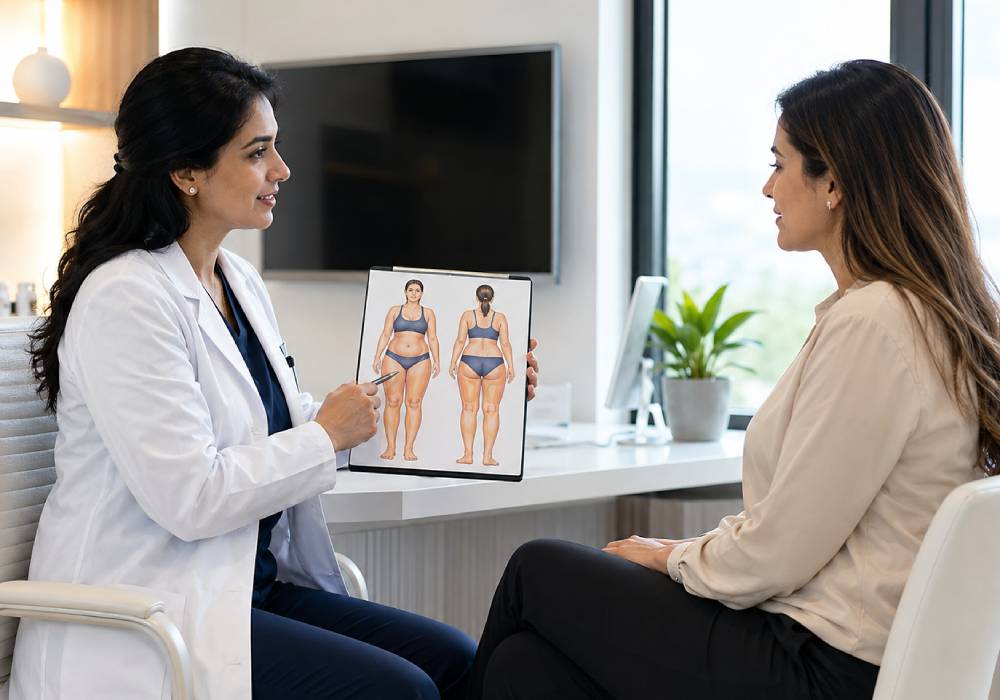
The first step before mammoplasty surgery is having a consultation session with the specialist surgeon. In this session, the surgeon evaluates the general health of the body and the patient’s expectations from the surgery. The patient must provide accurate information about their medical history, including chronic illnesses, medication use, and previous surgeries.
Additionally, the surgeon may order blood tests and breast imaging (such as mammography or ultrasound) to ensure the health of the breast tissue. At this stage, full awareness of the surgical procedure and its possible complications helps the patient make an informed decision.
2. Medical Measures Before the Surgery
Before undergoing mammoplasty, the patient must complete a series of tests to evaluate the body’s overall condition for surgery. These tests include checking blood sugar, kidney and liver function, blood clotting tests, and in some cases an electrocardiogram. Based on the results of these tests, the doctor decides the appropriate time for the surgery.
If the patient is taking any medication, they must discuss it with the doctor before the operation. Some medications, such as anticoagulants or anti-inflammatory drugs, can increase the risk of bleeding during surgery and must be discontinued several days before the operation.
3. Proper Diet and Nutrition Before Surgery
Proper nutrition plays an important role in preparing the body for surgery. Patients should follow a balanced diet rich in vitamins and proteins several weeks before the operation. Consuming fruits, fresh vegetables, and protein sources such as fish, chicken, and legumes helps strengthen the immune system.
In contrast, the consumption of high-fat foods, artificial sugars, and fast food should be limited. Drinking enough water in the days leading up to the surgery is also very important to keep the body hydrated and improve wound healing.
4. Quitting Smoking and Alcohol
Smoking and alcohol consumption have a significant negative impact on the outcome of mammoplasty. The nicotine in cigarettes reduces blood flow to the tissues and delays wound healing. Therefore, it is recommended to completely stop smoking at least two to four weeks before the surgery.
Alcohol consumption should also be discontinued at least one week before the operation because alcohol can interfere with anesthesia medications and increase the risk of bleeding.
5. Mental and Emotional Preparation Before Surgery
Cosmetic surgery, especially mammoplasty, can have a significant psychological impact in addition to physical changes. Having a positive and realistic mindset about the results of the surgery reduces pre-operative anxiety.
It is recommended that patients discuss the surgical process, recovery period, and expected outcomes with their doctor to resolve mental concerns. Sometimes relaxation exercises such as deep breathing or meditation can help improve mental calmness and better preparation for the surgery.
6. Hygiene Measures and Skin Care
Cleanliness of the skin in the breast and body area before surgery is very important. Patients should wash their body with antibacterial shampoo the day before surgery to reduce the risk of infection.
Using creams, lotions, or deodorants on the day of surgery is prohibited, as they may affect the sterility of the surgical area. It is also recommended to avoid sunburn or skin irritation in the breast area in the weeks before the operation.
7. Choosing Proper Clothing on the Day of Surgery
On the day of surgery, the patient should wear loose and comfortable clothing so that no pressure is applied to the breasts when returning home after the operation. Front-opening clothes with buttons or zippers are ideal because they can be worn without raising the arms.
It is also recommended to avoid wearing jewelry, watches, nail polish, and contact lenses so that the surgery proceeds without any issues.
8. Preparing the Home Environment Before Surgery
Before hospitalization for surgery, it is better to prepare the home environment for the recovery period. The patient should set up a comfortable resting place with easy access to necessary items. Having extra pillows to support the back and arms helps improve comfort during the first days after surgery.
It is also helpful to prepare light and nutritious meals in advance so that the patient does not need much physical activity during the early recovery period.
9. Adjusting the Use of Medications and Supplements
Before mammoplasty, the patient must provide a complete list of medications, vitamins, and supplements they are taking to the surgeon. Some herbal supplements such as ginseng or garlic can affect blood clotting and increase the risk of bleeding.
Based on the patient’s condition, the doctor may recommend stopping certain supplements or medications a few days before the operation. Following these recommendations is crucial for preventing surgical complications.
10. Planning for the Day of Surgery
Finally, patients should plan carefully for the day of surgery. Having a reliable companion to help after the operation is essential, as the patient may feel weak or drowsy due to anesthesia.
It is recommended to sleep well the night before the surgery and avoid eating or drinking anything for at least eight hours before the operation so that the stomach is completely empty.
Our clinic (Dr. Karina Ghadimi Clinic) is one of the well-known and successful clinics in Tehran, offering other specialized services such as abdominoplasty, mommy makeover, breast implants, etc., performed with the highest quality and the newest methods by a specialist physician.

Sources
- American Society of Plastic Surgeons (ASPS) – Preparing for Breast Reduction Surgery
- Mayo Clinic – Breast Reduction Surgery: What you can expect
- Cleveland Clinic – How to Prepare for Cosmetic Surgery
- Johns Hopkins Medicine – Preparing for Surgery: Preoperative Instructions