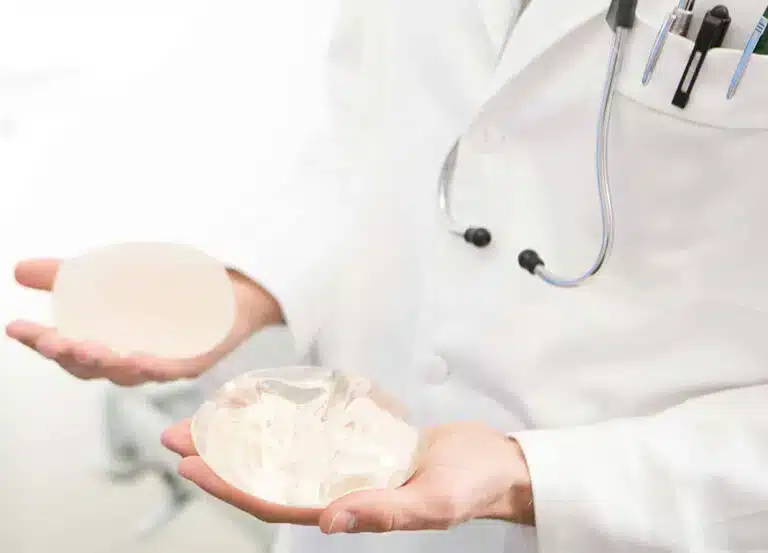
Breast implant surgery is one of the most popular cosmetic procedures among women around the world and especially in Iran. This procedure is performed not only to increase breast volume but also for breast reconstruction after cancer, correcting asymmetry, or improving shape after breastfeeding and pregnancy. One of the most important decisions that must be made before surgery is choosing the placement of the implant. In general, the implant can be placed in two main positions: under the pectoralis major muscle (Submuscular) or under the glands and breast tissue and above the muscle (Subglandular). Each of these methods has its own advantages, disadvantages, possible complications, and specific conditions. In recent years, a third method known as the Dual Plane technique has become very popular, which is an intelligent combination of the previous two methods.
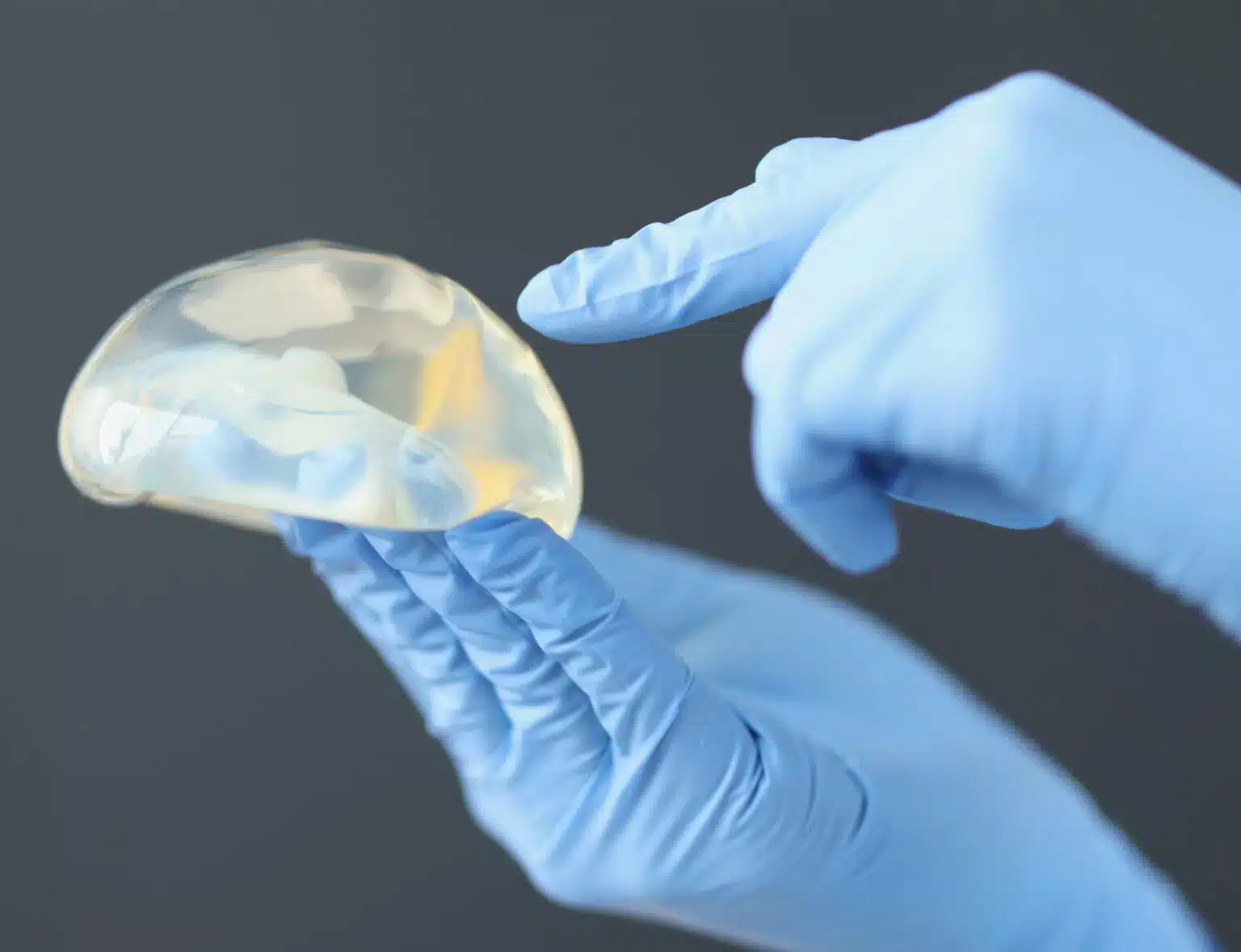
Submuscular Breast Implant (Under the Muscle)
In this technique, the surgeon first separates the pectoralis major muscle from the chest wall and places the implant in a space beneath this muscle. Usually, the upper two-thirds of the implant are completely under the muscle and the lower one-third is under the breast tissue. This method has become the first choice of many reputable surgeons in recent decades due to its more natural results and reduced complications.
Advantages of Submuscular Implant
- A much more natural appearance, especially in the upper part of the breast, since the muscle layer covers the edge of the implant and prevents artificial lines.
- Significant reduction in the likelihood of rippling (visible wrinkling on the skin) and palpable implant edges.
- The best option for thin women or those with little fatty or glandular breast tissue.
- Greater accuracy in future mammography and imaging; since theBREAST implant is behind the muscle, the breast tissue is better visible and potential masses are easier to detect.
- According to multiple studies (including articles published in the Aesthetic Surgery Journal), the rate of capsular contracture in this method is up to 50% lower than the subglandular method.
- Reduced likelihood of breast sagging (ptosis) in the long term due to better muscle support.
Disadvantages of Submuscular Implant
- More pain in the first 3 to 7 days after surgery because the muscle is cut and repositioned.
- Longer recovery period; usually 4 to 6 weeks are needed before resuming heavy activities and upper-body workouts.
- The phenomenon of animation deformity, or movement and displacement of the implant when the chest muscles contract (such as during exercise or lifting the arms).
- Temporary flattening of the breast in the first weeks until the muscle fully relaxes and the implant settles in place.
- Longer surgical time (usually 30 to 60 minutes more than the subglandular method).
Suitable Candidates for the Submuscular Method
Women with low BMI, thin breast tissue, those whose main priority is a completely natural appearance, individuals with a family history of breast cancer who need accurate mammography, and patients with mild breast sagging who want less sagging in the future.
Subglandular Breast Implant (Under the Tissue)
In this older method, the implant is placed directly behind the breast gland and in front of the pectoralis muscle. This technique was very common in the 1980s and 1990s, but today it is less recommended due to increased long-term complications, except in specific cases.
Advantages of Subglandular Implant
- Significantly less postoperative pain and shorter recovery time (usually returning to daily activities in less than 2 weeks).
- No implant movement during exercise or heavy activity.
- Creates more noticeable upper breast fullness, which is attractive for individuals who want a rounder and more “pushed-up” breast appearance.
- Faster and simpler surgery for the surgeon.
- Suitable for individuals who have previously had a breast lift or have sufficient tissue.
Disadvantages of Subglandular Implant
- Much higher likelihood of visible implant edges and rippling, especially in thin individuals.
- Less natural appearance, particularly in the upper breast, sometimes giving a “ball-like” look.
- Higher rate of capsular contracture (up to 15–20% in some older studies).
- Greater interference with mammography; about 30% of the breast tissue may be hidden behind the implant.
- Higher long-term risk of breast sagging due to lack of muscle support.
Suitable Candidates for the Subglandular Method
Women with thick and sufficient breast tissue (usually size B or larger before surgery), people who are not professional athletes, individuals desiring significant upper breast fullness and a round shape, and patients who previously had a breast lift and have firm tissue.
Comparison of Submuscular and Subglandular Implants
- Final appearance: Submuscular is more natural and softer; subglandular is rounder and more prominent.
- Postoperative pain: Submuscular more, subglandular less.
- Recovery period: Submuscular 4–6 weeks, subglandular 1–2 weeks.
- Risk of capsular contracture: Significantly lower in the submuscular method.
- Visibility of implant edges: Rare in submuscular, more common in subglandular.
- Effect on mammography: Much better in the submuscular method.
- Implant movement with muscle contraction: Yes in submuscular, no in subglandular.
- Long-term sagging: Less with submuscular.
- Suitable for thin individuals: Only submuscular.
- Suitable for athletes: Usually subglandular (due to no implant movement).
Dual Plane Method
Today, more than 80% of reputable surgeons worldwide use the Dual Plane technique.
In this method, the upper part of the implant is completely under the muscle, and the lower part is directly under the breast tissue. This technique combines the advantages of both previous methods and minimizes their disadvantages.
Advantages of the Dual Plane Method
- The most natural appearance, especially in the transition from the chest to the breast.
- Excellent coverage of the upper part of the implant and reduced rippling.
- Superior shaping of the lower breast and creation of a natural slope.
- Ability to correct mild to moderate sagging without a separate lift.
- Very low capsular contracture rate.
- Much less implant movement than the full submuscular method.
- A more tolerable recovery period compared to full submuscular placement.
Frequently Asked Questions
- Is the submuscular implant more natural?
Yes, especially in the Dual Plane technique, it is almost indistinguishable from a natural breast.
- Does the subglandular method have less pain?
Yes, patients are usually almost pain-free after 4–5 days.
- Is the submuscular method unsuitable for athletes?
In the Dual Plane method, implant movement is very minimal and most athletes have no issues.
- How long do implants last?
Usually 10 to 20 years depending on brand and lifestyle; placement location has little effect.
- Is breastfeeding possible?
In more than 95% of cases, yes; experienced surgeons preserve the breastfeeding ducts.
- Can the implant placement be changed later?
Yes, in secondary surgery it is possible to switch from subglandular to submuscular.
Final Recommendation
Choosing the placement of a breast implant is one of the most important decisions in breast cosmetic surgery and has a major impact on the final result, long-term satisfaction, and even your future health. The submuscular method (especially the Dual Plane technique) is currently considered the gold standard in modern breast implant surgery because it offers the most natural appearance, the lowest long-term complications, and the best accuracy in breast cancer screening. However, no method is suitable for everyone. Factors such as breast tissue thickness, lifestyle, level of physical activity, age, future pregnancy plans, and of course your aesthetic goals must be thoroughly evaluated.