Choosing the right breast implant size is one of the most important steps in breast implant surgery, as it has a direct impact on patient satisfaction, the natural appearance of the final result, and the preservation of breast tissue health. This process requires a careful assessment of physical characteristics, aesthetic goals, and specialized consultation with a plastic surgeon. In addition, the implant size affects not only the external shape of the breast but also comfort, mobility, and even long-term tissue health. Many postoperative issues—such as chronic pain, early sagging, or the need for revision surgery—are directly caused by choosing an inappropriate implant size.
Breast implant surgery is one of the most popular cosmetic procedures worldwide. The purpose of this surgery may be to increase breast volume, correct asymmetry, reconstruct the breast after mastectomy, or improve overall body contour. In some cases, individuals choose this procedure to restore confidence or align their appearance with their inner sense of self. However, selecting the right implant size is the most important factor in achieving a natural and harmonious result.
The final result is not only about making the breasts larger; overall body proportions, tissue condition, natural chest shape, and the patient’s lifestyle must be taken into account. For example, individuals who engage in heavy physical activity may not comfortably tolerate very large implant sizes.

Factors influencing implant size selection
The following factors play a role in making the final decision:
Chest width and breast base width: If an implant wider than the anatomical breast width is selected, its edges may be visible from the sides or cause additional pressure.
Skin and soft tissue thickness: The thicker the breast tissue, the easier it is to use larger sizes.
Nipple position and degree of sagging: In some cases, a breast lift is required before placing the implant.
Height, weight, and overall body shape: A size that looks natural on someone who is 180 cm tall may look very large on someone who is 155 cm.
Patient expectations and personal taste: The patient must understand that the final result should be beautiful and comfortable in the long term, not just at first glance.
Measurement and evaluation methods
One standard method for choosing the implant size is measuring the Breast Base Width. This measurement is the main criterion for selecting the implant diameter. Then, based on the desired volume (in cc) and implant projection, the appropriate model is selected.
Implants come in different projections (Low, Moderate, High, Ultra High), and choosing the right projection plays an important role in the final breast shape.
Tools such as sizers (test implants) or 3D simulators help the surgeon give the patient a relative idea of the final outcome. These tools help patients gain a realistic understanding of their postoperative appearance and avoid rushed decisions.
Types of implants and their effect on the final size
Implants differ in material and shape:
- Silicone vs saline implants: Silicone implants have a more natural appearance and feel more like natural breast tissue; saline implants are usually slightly firmer.
- Round vs anatomical (teardrop) implants: Anatomical implants provide a more natural, tissue-like appearance, while round implants create more upper-pole fullness.
- Smooth vs textured implants: Textured implants have a lower probability of shifting, but their use requires careful evaluation.
Each of these types has different effects on the final breast appearance, and the choice should be made based on physical factors and patient preferences. Lifestyle—e.g., being an athlete—may also influence implant type.
Harmony between implant size and body proportions
A common mistake is choosing implants solely based on the volume number (cc). Instead, shoulder width, waist circumference, and hip size must be considered. The goal is to create a balanced, natural look—not merely larger breasts.
Oversized implants may lead to:
- Shoulder and neck pain
- Skin stretching and rapid sagging
- Visible implant edges
- The need for additional surgery
Therefore, implant size should be chosen based on scientific principles consistent with the body’s structure.
Role of consultation with a plastic surgeon
The surgeon must have sufficient experience to understand anatomical differences among patients. During consultation sessions, the doctor examines before-and-after photos of similar surgeries, implant samples, and precise measurements to recommend the best option.
Proper consultation helps the patient express concerns, understand the limitations of their body, and gain a realistic expectation of the outcome. At this stage, the surgeon may also warn the patient about unrealistic sizes.
Psychological factors and patient expectations
Choosing a size that is too large or too small may cause psychological dissatisfaction. Patients should understand that bigger does not always mean more beautiful; harmony and proportion are what matter.
In some cases, social pressure, social media, or comparing oneself to others may push the patient toward unrealistic choices. The surgeon should guide the patient with scientific and realistic explanations.
Common mistakes in choosing implant size
- Copying others without considering personal body differences
- Relying too much on friends’ opinions or online photos
- Choosing unnatural sizes to attract attention
- Not consulting a skilled surgeon
- Ignoring health considerations and focusing only on appearance
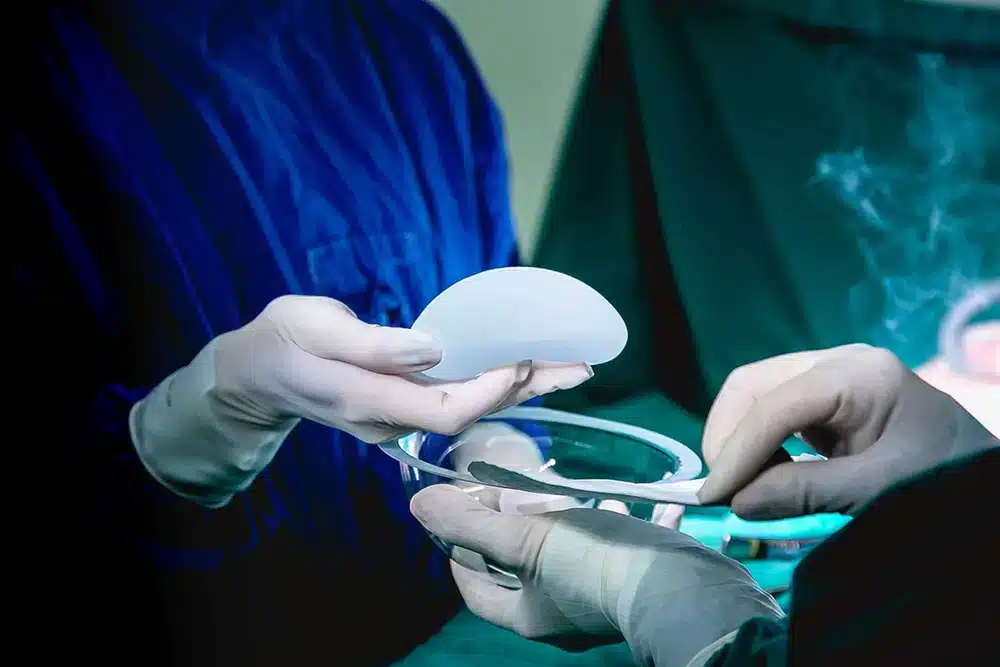
Role of physical factors in the final result
In women with thin skin, using large implants may cause rippling or visible implant edges. Conversely, in patients with thicker tissue, larger sizes can be used without creating an artificial appearance. Factors such as chest shape, distance between breasts, and body symmetry also influence the final result.
Conclusion
Choosing the right breast implant size must be based on science, experience, and professional consultation. The ultimate goal is to create a natural, balanced, and harmonious appearance. To make a better decision, it is recommended to have several pre-operative consultations, use digital simulators, and evaluate real examples.
Ultimately, an informed choice of implant size is the key to achieving a beautiful, healthy, and lasting result—and can significantly increase patient satisfaction.
Further Reading:
What Is Blepharoplasty? Methods and Procedure Steps