Severe weight fluctuations, fat accumulation in breast tissue, and reduced skin elasticity can significantly affect the appearance of the breasts in obese individuals. Severe sagging, excessive enlargement of the breasts, asymmetry, and loose skin are among the problems that many overweight individuals face. In addition to changing body shape, this condition can sometimes cause neck and back pain as well as limitations in daily activities.
In such cases, breast reconstruction is not only a simple cosmetic surgery but also a method for restoring body proportion, improving physical comfort, and increasing self-confidence. Choosing the appropriate method for breast reconstruction in obese individuals is very important, as skin condition, amount of fat, overall health, and even weight fluctuations can directly affect surgical outcomes and the recovery process.
What is meant by breast reconstruction?
Breast reconstruction refers to a set of surgical and therapeutic methods performed to correct the shape, volume, symmetry, or position of the breasts. These procedures may be carried out due to severe breast sagging, loss of volume after weight loss, asymmetry, excessive breast size, or changes caused by pregnancy and aging. In some individuals, breast reconstruction also has a therapeutic purpose and is used to reduce pain caused by heavy breasts or to reconstruct the breast after conditions such as breast cancer. The main goal of these procedures is to restore better body proportion and improve the natural appearance of the breasts.
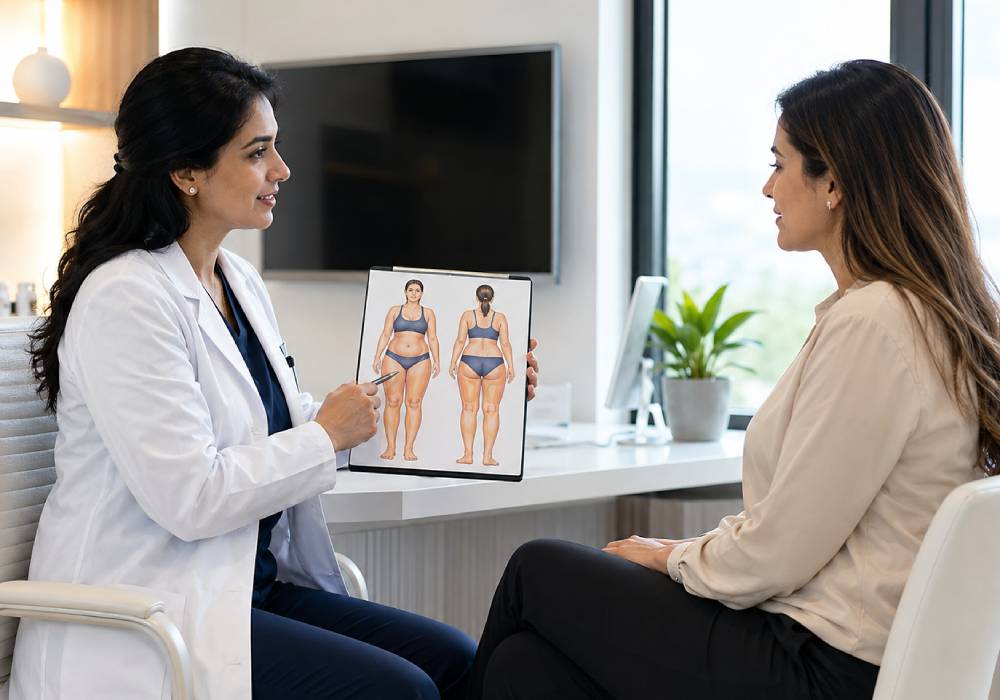
The method of breast reconstruction varies depending on each individual’s condition. In some cases, the surgeon performs a breast lift to remove excess skin and reposition the breast higher. In other cases, implants are used to increase volume, or in individuals with very large breasts, part of the breast tissue and fat is removed. The choice of technique depends on factors such as the degree of sagging, skin quality, body weight, and the patient’s expectations. In obese individuals, this surgery requires more detailed evaluation, as excess body weight pressure on breast tissue and skin can directly affect the final results and the healing process.
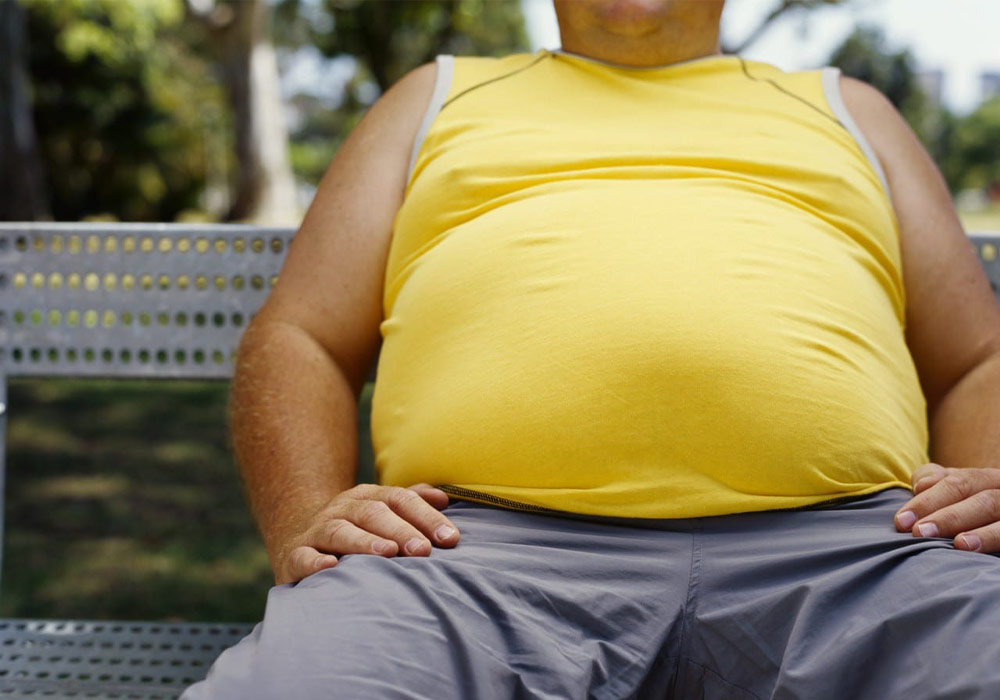
Why do obese individuals need breast reconstruction more often?
Obesity places more pressure on breast fat tissue and skin, which over time leads to stretching of ligaments and a reduction in the strength of the supporting tissue of the breasts. In such conditions, breast sagging becomes more severe and the natural shape changes.
On the other hand, increased breast size in overweight individuals can lead to problems such as neck, shoulder, and back pain, sweating and skin irritation under the breasts, and even limitations in daily activities. These factors make this group more likely to require reconstructive procedures such as lifting or breast reduction in order to reduce physical strain and achieve better body balance.
Types of breast reconstruction methods in overweight individuals
The chosen method for breast reconstruction depends on the individual’s physical condition, degree of sagging, skin quality, and treatment goals. After examination, the doctor recommends the most appropriate technique.
Breast lift
Breast lift surgery is performed to correct sagging and reposition the breasts. In this procedure, excess skin is removed and the breast tissue is reshaped and moved to a higher position.
Breast reduction (Mammoplasty)
Breast reduction or mammoplasty is performed to reduce breast size and weight. During this procedure, part of the fat tissue, glandular tissue, and excess skin is removed so that the breast size becomes more proportional to the body structure. Many individuals with very large breasts experience problems such as chronic neck and shoulder pain, spinal pressure, bra strap marks on the skin, and limitations in daily activities. Mammoplasty not only improves appearance but also reduces pressure on the body and improves posture. Ultimately, upper body proportion becomes more balanced with other body parts, and daily comfort increases.
Breast implants after weight loss
After significant weight loss, many individuals experience a reduction in breast volume and sagging skin in this area, which can affect the appearance of the upper body. In such cases, surgical methods are used to restore lost volume and improve breast shape. One of these methods is breast implants, in which implants are placed to create more appropriate volume in the breast area and improve overall body proportion. In some cases, this method is combined with a breast lift to both increase volume and reposition the breast for a more balanced result.
Breast reconstruction after cancer
Breast reconstruction after cancer is performed for individuals who have lost part or all of their breast tissue due to breast cancer treatment. The goal of this process is to restore the natural shape of the breast and help re-establish body symmetry, improving both physical appearance and psychological well-being. Depending on the body condition and previous treatment type, different methods such as using body tissue or implants are used. In some cases, reconstruction is performed simultaneously with other surgeries or in later stages of treatment to achieve a more natural result and maintain symmetry.

The impact of obesity on recovery after breast reconstruction
Obesity can affect the recovery process after breast reconstruction and may prolong tissue healing. In overweight individuals, blood circulation in tissues is usually under more pressure, which affects oxygen delivery to the surgical site. This condition may increase the likelihood of prolonged swelling, fluid accumulation, and delayed wound healing. In addition, body weight pressure on the breast area can reduce the quality of recovery and require more careful postoperative care. Following medical advice, weight control, and proper nutrition play an important role in improving recovery and reducing possible complications.
Importance of weight loss before surgery
Weight loss before breast reconstruction plays an important role in surgical outcomes and postoperative recovery. When body weight is more balanced, pressure on breast tissue and skin is reduced, allowing the surgeon to achieve more precise shaping. In overweight individuals, weight reduction before surgery also helps improve blood circulation, reduce inflammation, and lower the risk of complications such as infection or delayed wound healing. Weight stability before surgery is also important, as significant weight fluctuations after surgery can affect the final result and change breast shape.
Breast reconstruction surgery process
The breast reconstruction process begins with a detailed examination and evaluation of the overall health condition to select the appropriate method based on the degree of sagging, tissue volume, and skin condition. On the day of surgery, the procedure is performed under general anesthesia, and depending on the technique, incisions are made in specific areas of the breast. The surgeon then reshapes the breast by removing excess skin, repositioning tissue, or using implants, and finally sutures the incision sites. After surgery, dressing and, if necessary, a surgical bra are applied to support the tissue and improve healing.

Recovery period after surgery
The recovery period after breast reconstruction surgery varies depending on the type of procedure and the individual’s physical condition, but it usually takes several weeks for the body to stabilize. In the early days, pain, swelling, and bruising in the breast area are normal and gradually decrease. Wearing a surgical bra as recommended by the doctor plays an important role in reducing pressure on the tissues and maintaining the new breast shape. During this period, heavy physical activity, lifting objects, and intense upper body movements should be avoided so that the sutures can heal properly. Following medical instructions, proper nutrition, and sufficient rest speed up recovery and make the results more stable.
Possible complications of breast reconstruction in obese individuals
Possible complications of breast reconstruction in obese individuals may be slightly higher compared to individuals with normal weight, as excess fat tissue and higher pressure on the surgical site make the healing process more sensitive. In such cases, there is an increased risk of infection, fluid accumulation under the skin, delayed wound healing, and prolonged swelling. In some cases, scars may remain more visible or final breast symmetry may require minor corrections. Careful blood sugar control, wound hygiene, avoiding pressure on the breasts, and following medical instructions play an important role in reducing these complications and improving final results.
Proper nutrition after surgery
Proper nutrition after surgery plays an important role in accelerating tissue healing and reducing possible complications. During this period, consuming protein-rich foods such as white meat, eggs, and legumes helps tissue repair, while vitamins such as C and A significantly support wound healing and immune system function. Adequate fluid intake is important to prevent dehydration and reduce inflammation. It is also recommended to limit salty, fried, and processed foods, as they can increase swelling and slow down recovery. A balanced diet helps the body recover more effectively after breast surgery.
Individuals seeking improvement in breast shape and body proportion can benefit from the professional consultation and experience of Dr. Karina Ghadimi in reconstructive surgeries. In these consultations, surgical details, pre- and post-operative care, and the recovery process are fully explained.
Conclusion
Severe weight changes, fat accumulation, and reduced skin elasticity play an important role in changing breast shape in obese individuals and can lead to physical issues such as neck and back pain in addition to aesthetic concerns. In such cases, breast reconstruction is not just a cosmetic procedure but a method to improve quality of life, reduce physical strain, and increase satisfaction with body appearance. Choosing the appropriate surgical method based on body condition, degree of sagging, skin quality, and weight stability is essential, as these factors directly affect the final outcome and recovery process. Proper pre- and post-operative care, weight control, and adherence to medical advice play an important role in achieving better and longer-lasting results.
Also read: