Gynecomastia refers to the enlargement of glandular breast tissue in males. It can occur at any age, and its severity and presentation may vary across different stages of life. This condition is usually caused by hormonal changes, particularly an imbalance between estrogen and testosterone. Understanding the symptoms at different ages helps distinguish between normal physiological changes and conditions that may require medical evaluation.
In the following sections, this topic is examined in three main life stages: infancy, adolescence, and adulthood.
Gynecomastia in Infancy
In some male newborns, mild swelling in the chest area may be observed. This condition is usually seen within the first few weeks after birth and is mainly caused by maternal hormones that are transferred to the fetus during pregnancy.
Common signs in infancy:
- Soft swelling in one or both breasts
- Mild sensitivity in the chest area
- Occasionally, very minimal discharge from the nipple
This condition usually resolves gradually without any specific treatment and typically disappears within a few weeks to a few months. At this age, gynecomastia is generally temporary and not a serious concern unless the swelling is severe or prolonged.

Gynecomastia in Adolescence
Adolescence is a stage of growth in which hormonal changes occur rapidly and intensely. During this period, the hormonal levels in boys are being regulated, which can lead to temporary changes in breast tissue. One of these changes is gynecomastia, or the enlargement of breast tissue in teenage boys.
This condition is common among adolescents and is usually temporary, but due to visible changes in body appearance, it may have psychological and social importance for the individual.
Causes of breast changes in adolescence
During puberty, the balance between male and female hormones temporarily fluctuates. At this time, the effect of estrogen may become relatively stronger than testosterone, leading to temporary breast tissue growth. This is generally part of the normal pubertal process and is not usually associated with a serious disease.
Common signs in this period
- Soft or firm lump beneath the nipple
- Tenderness or pain when touched
- Enlargement of one or both breasts
- Size difference between the two sides of the chest
- Noticeable change in chest appearance
In some cases, these changes may appear only on one side, while the other side remains unaffected or minimally involved.
Progression over time
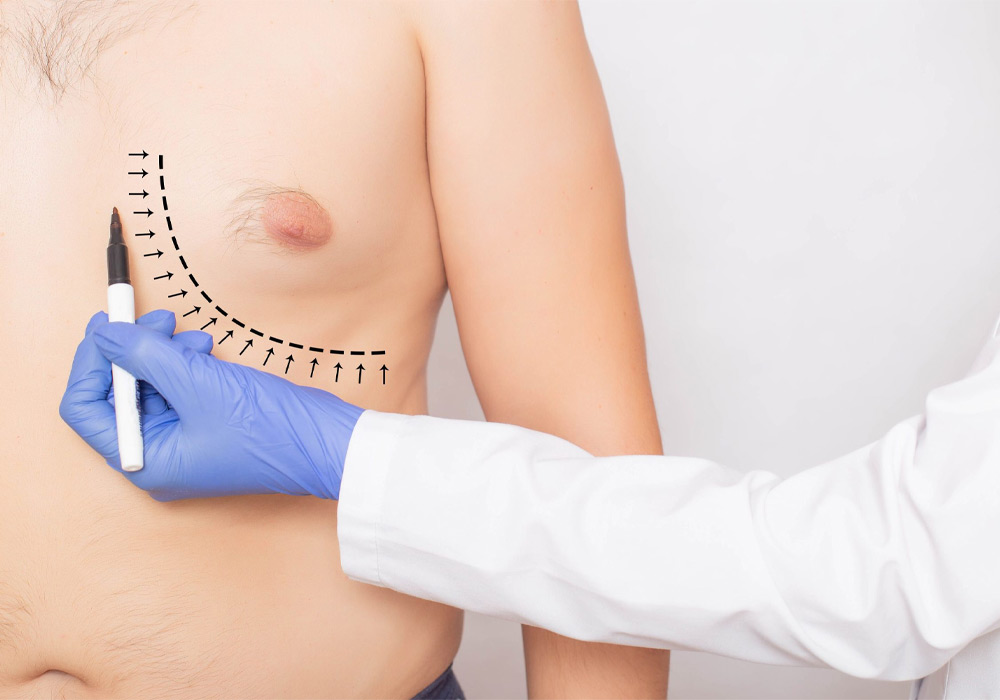
During adolescence, breast tissue changes usually develop gradually and may not remain constant in intensity. Initially, a small lump or mild tenderness may be felt under the nipple, but in some cases, the condition becomes more noticeable and may even affect chest appearance.
Over time, as hormonal balance stabilizes and physical growth completes, these changes usually decrease. The rate of improvement varies among individuals, but in most cases, this is considered part of normal development and gradually subsides.
Factors affecting severity
The severity of breast changes varies between individuals and is influenced by multiple internal and external factors. Hormonal status plays the main role, but factors such as body fat percentage, diet, physical activity level, and certain medications can also influence the condition.
In some individuals, genetic predisposition makes breast tissue more sensitive to hormonal fluctuations. Additionally, short-term weight changes can affect the appearance of the chest. As a result, symptom severity and progression differ from person to person.
Gynecomastia in Adulthood
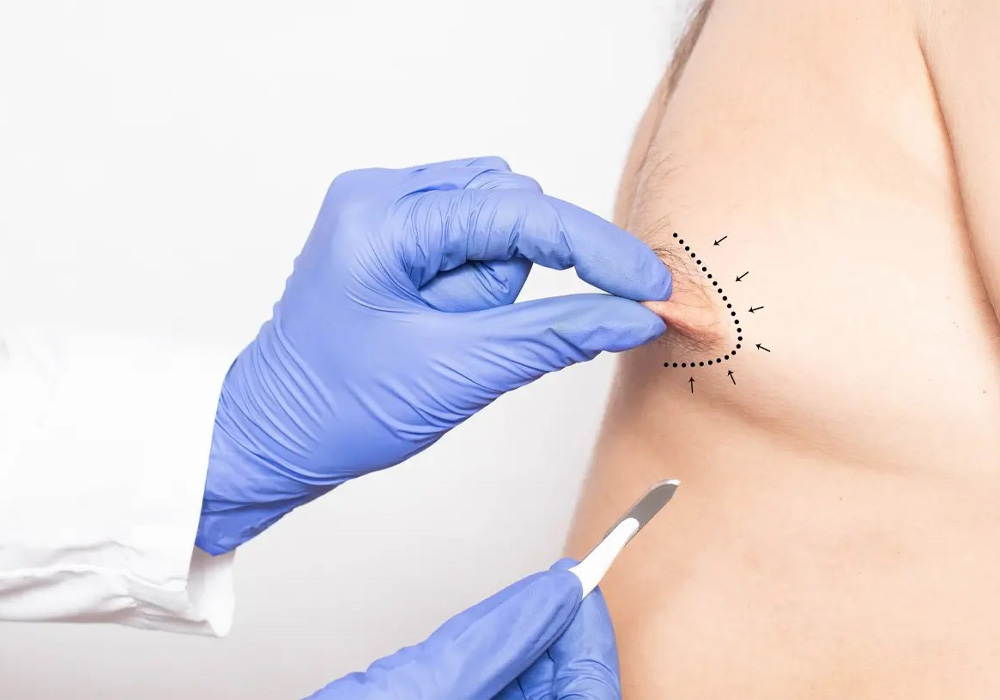
In adulthood, breast tissue changes in men may become more pronounced and, in some cases, persist over time. This condition is usually the result of hormonal, medication-related, or metabolic factors that become more evident in this stage of life.
Common signs in adults
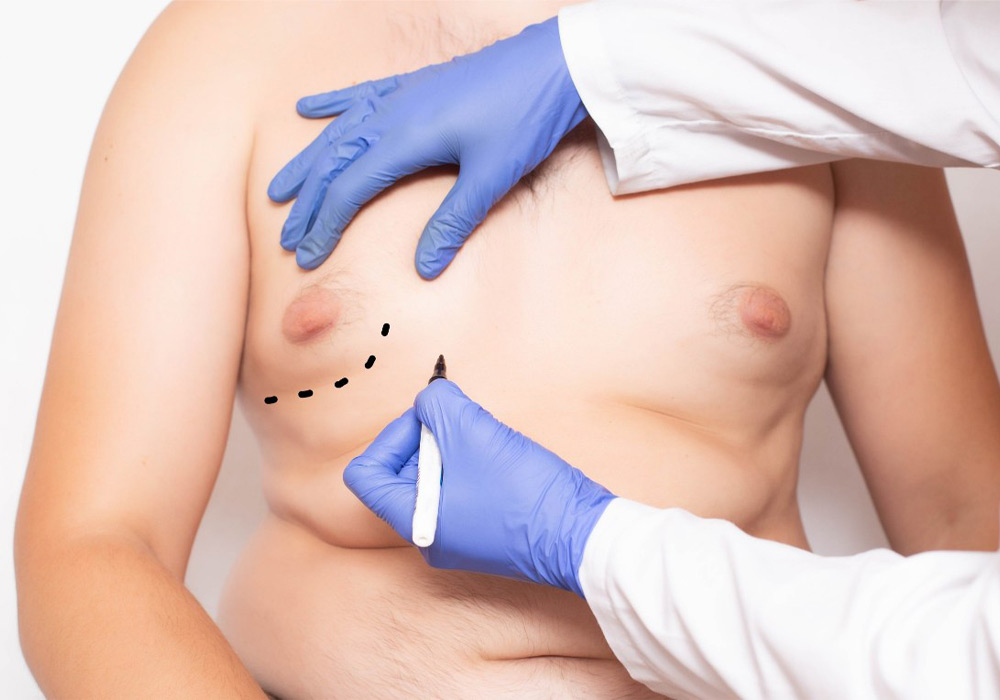
In adults, gynecomastia is often associated with a few noticeable signs that vary in severity. One of the most common findings is a small lump beneath the nipple, sometimes accompanied by mild tenderness or pain. In some individuals, there may be an increase in breast size on one or both sides, and significant asymmetry between the two sides of the chest.
The tissue in this area may feel slightly firmer or denser than normal, which draws attention. These changes usually develop gradually and may fluctuate over time.
Associated factors in adulthood
In adulthood, breast tissue changes are influenced by several factors, each of which may affect the severity or persistence of symptoms. Natural age-related hormonal changes are an important factor, along with the use of certain medications such as cardiac, gastrointestinal, or hormone therapies.
Liver or kidney dysfunction may also disrupt hormonal balance and increase the likelihood of these changes. In addition, weight gain and fat accumulation in the chest area can make the condition more visible and sometimes make tissue differentiation more difficult. These factors highlight the importance of a thorough evaluation to determine the underlying cause.
Difference Between True Gynecomastia and Chest Fat Accumulation
Distinguishing true gynecomastia from fat accumulation in the male chest is important because these two conditions may appear similar but have completely different nature.
In true gynecomastia, glandular tissue grows beneath the nipple and is typically felt as a well-defined mass with a firm or rubbery consistency. This mass is usually located centrally in the chest and may be accompanied by mild tenderness or pain.
In contrast, fat accumulation occurs due to fat deposits in the subcutaneous layer, resulting in a softer and more uniform texture without a clearly defined lump.
From a visual perspective, true gynecomastia tends to create a more localized projection around the nipple, while fat accumulation is more diffuse across the chest without clear boundaries. Hormonal changes are the primary cause of true gynecomastia, while weight gain plays a larger role in fat-related enlargement. Accurate diagnosis usually requires careful medical evaluation.
Role of Hormonal Changes Across Different Ages
Hormonal changes play a key role in breast tissue changes in males at different ages, as the balance between male and female hormones is not constant throughout life.
In infancy, maternal hormones transferred during pregnancy may temporarily affect breast tissue. During adolescence, rapid hormonal fluctuations during growth make this area more responsive. In adulthood, gradual declines in male hormones, along with factors such as medication use or metabolic changes, may contribute to the development or persistence of the condition.
These differences explain why the pattern of gynecomastia varies across different life stages.
Factors Affecting Symptom Severity
The severity of breast changes in males varies widely and depends on a combination of internal and external factors. Hormonal balance plays the most important role, but body fat level, diet, physical activity, and certain medications also influence the condition.
Genetic factors may increase tissue sensitivity to hormonal changes. Additionally, weight fluctuations over short periods can affect chest appearance and symptom intensity.
In cases where visible changes are significant, procedures such as breast lift surgery may be considered alongside evaluation of the underlying cause. These combined factors make each case unique in its presentation and progression.
Conclusion
Gynecomastia is a common condition involving male breast tissue that occurs at different stages of life and is primarily related to hormonal fluctuations. It may appear in infancy, adolescence, or adulthood with varying patterns and severity. Understanding its symptoms and distinguishing normal developmental changes from conditions requiring medical attention is essential for proper evaluation and management. Factors such as hormonal balance, lifestyle, body weight, and underlying health conditions all contribute to its development and progression.
Also read: