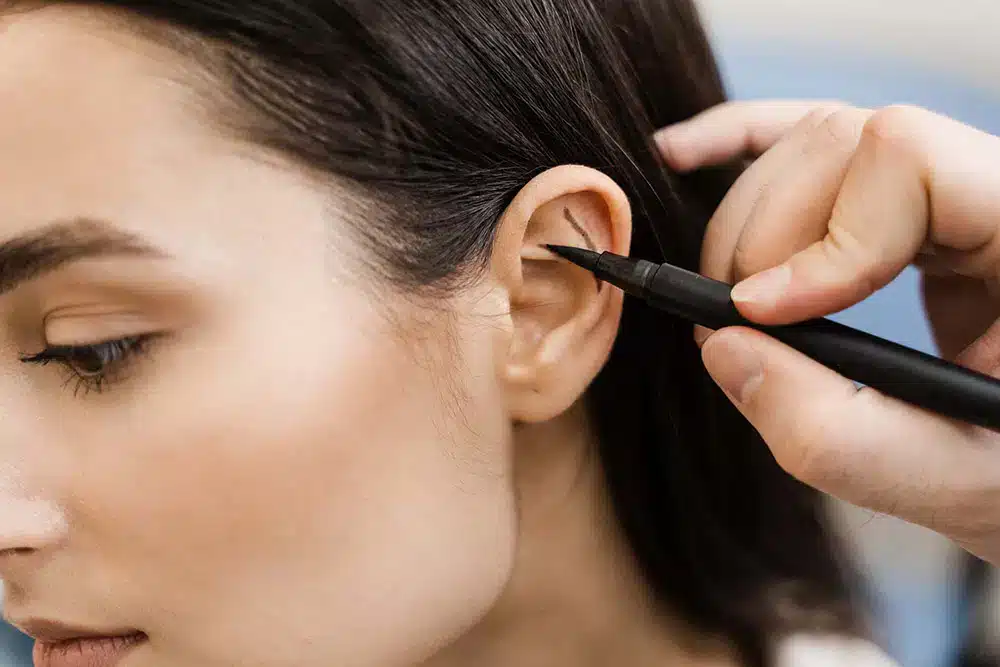
Central lip lift surgery is one of the most popular procedures in cosmetic lip and facial surgery, performed with the aim of improving the shape of the upper lip, increasing tooth show while smiling, and creating better harmony among facial features. The lips play an important role in facial beauty, youthfulness, and the attractiveness of a smile, and even minor changes in this area can have a significant impact on a person’s overall appearance. In recent years, central lip lift surgery has gained high popularity due to its natural and long-lasting results and the lack of need for injecting foreign substances.
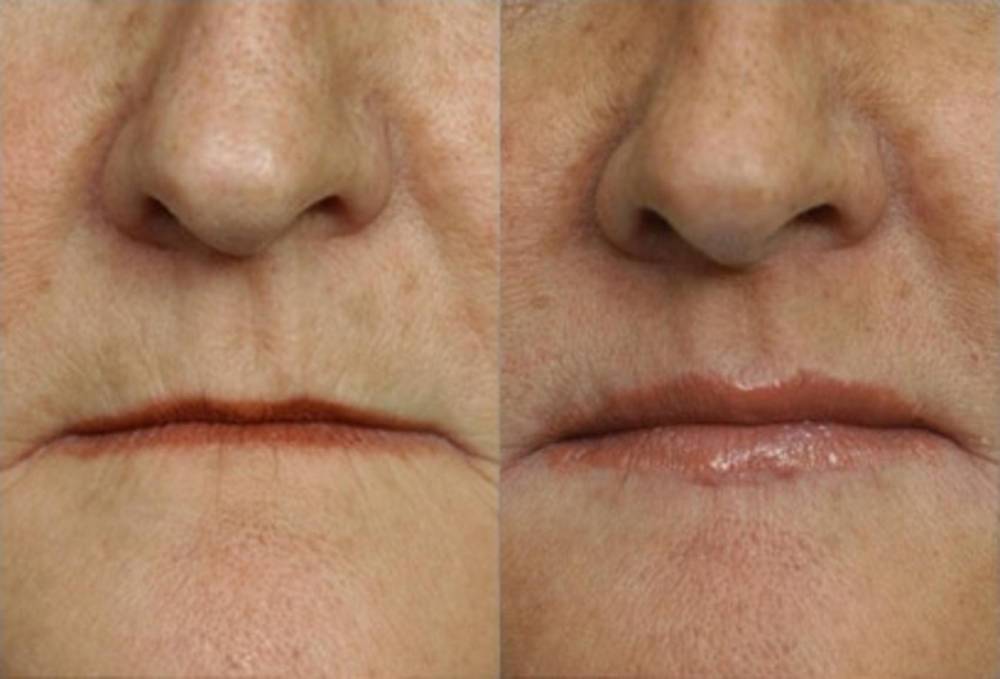
Central lip lift surgery, also known as a central lip lift, is a type of cosmetic surgery in which the distance between the base of the nose and the upper lip is shortened. This change causes the upper lip to lift, increases the apparent volume of the lip, and makes the teeth more visible during speaking or smiling. In this procedure, the surgeon creates a small and delicate incision beneath the nose, removes a specific amount of excess skin, and then lifts the upper lip upward. The result is better-shaped, more youthful, and more natural-looking lips, without the need for gel or filler injections.
Applications of Central Lip Lift Surgery
Central lip lift surgery has multiple applications and can be suitable for various individuals. This procedure is an ideal option for people whose distance between the nose and upper lip is greater than normal. It is also beneficial for individuals who have experienced upper lip drooping due to aging or who feel that their smile lacks sufficient attractiveness. Other applications of central lip lift surgery include increasing the natural volume of the upper lip, improving lip symmetry, facial rejuvenation, correcting lip shape without the use of foreign materials, and enhancing harmony among facial features.
Who Are Suitable Candidates for Central Lip Lift Surgery?
Individuals whose distance between the nose and upper lip is greater than normal, those with a thin or drooping upper lip, people seeking permanent and natural results, and patients with good general health are usually considered suitable candidates for central lip lift surgery. On the other hand, individuals who expect exaggerated changes or excessive volume enhancement are advised to undergo a more detailed consultation with the surgeon before making a decision, so that the most appropriate method can be selected based on their condition.
Benefits of Central Lip Lift Surgery
One of the most important advantages of central lip lift surgery is achieving natural and long-lasting results. Unlike gel injections, which are temporary and require repeated treatments, the result of this surgery is permanent. Additionally, this method does not require the injection of foreign substances, which is an important consideration for many individuals. Other benefits of central lip lift surgery include increased smile attractiveness, more visible teeth, a more youthful facial appearance, increased apparent volume of the upper lip, preservation of the natural sensation of the lip, and better harmony between the nose, lips, and chin.
Complications of Central Lip Lift Surgery
Like any surgical procedure, central lip lift surgery may be associated with certain complications. Swelling, bruising, mild pain, redness, and the presence of suture marks are among the common complications of this surgery, which are usually temporary and resolve within a few weeks. In rare cases, there is a possibility of infection, lip asymmetry, or the persistence of visible scarring. Choosing an experienced surgeon and strictly following pre- and postoperative care instructions play an important role in reducing these complications.
Preoperative Care for Central Lip Lift Surgery
Before undergoing this surgery, smoking and alcohol consumption should be stopped for at least two weeks. Avoiding blood-thinning medications, providing complete information about medical history, and undergoing necessary tests as advised by the physician are also essential.
Postoperative Care for Central Lip Lift Surgery
After surgery, the use of cold compresses to reduce swelling, avoiding heavy activities, maintaining hygiene of the suture area, taking prescribed medications regularly, and attending postoperative follow-up visits are very important. Observing these measures helps speed up recovery and reduce complications.
Recovery Period After Central Lip Lift Surgery
The recovery period after central lip lift surgery is usually short. Most patients can return to their daily activities after 7 to 10 days. Swelling and bruising gradually subside, and the final result is usually fully visible after several weeks.
Difference Between Central Lip Lift Surgery and Gel Injection
Gel injection is a temporary method that only increases lip volume and requires periodic renewal. In contrast, central lip lift surgery creates a permanent and natural result and focuses on correcting the shape and position of the upper lip rather than merely increasing volume.
Cost of Central Lip Lift Surgery
The cost of this procedure depends on factors such as the surgeon’s experience, the location of the surgery, the extent of required corrections, and additional services. For accurate cost information, an in-person consultation is necessary.
Other Services at Our Clinic (Dr. Karina Ghadimi Clinic):
Frequently Asked Questions About Central Lip Lift Surgery
- Is central lip lift surgery painful?
Pain is usually mild and is controlled with prescribed medications.
- Will there be visible suture marks?
Suture marks are usually hidden beneath the nose and gradually fade over time.
Conclusion
Central lip lift surgery is one of the most effective cosmetic lip procedures, creating subtle yet impactful changes that help enhance smile attractiveness, rejuvenate the face, and improve facial harmony. Making an informed treatment choice and adhering to medical care recommendations play an important role in achieving a natural and satisfactory result. At Dr. Karina’s clinic, central lip lift surgery is performed after careful evaluation of individual conditions, facial anatomy, and patient expectations to achieve a safe, natural, and long-lasting outcome.