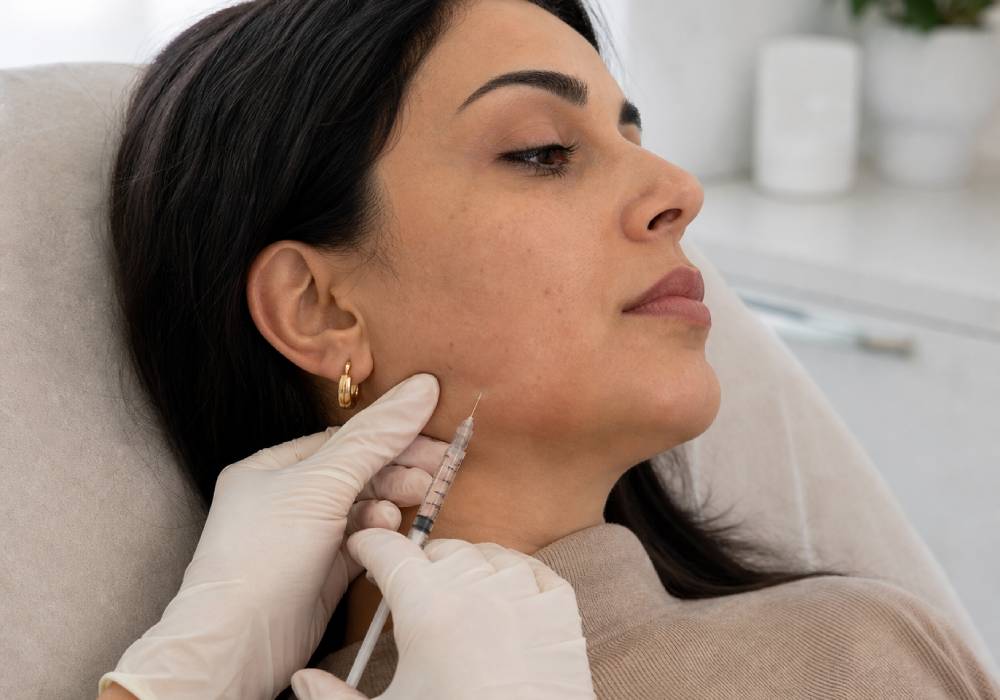
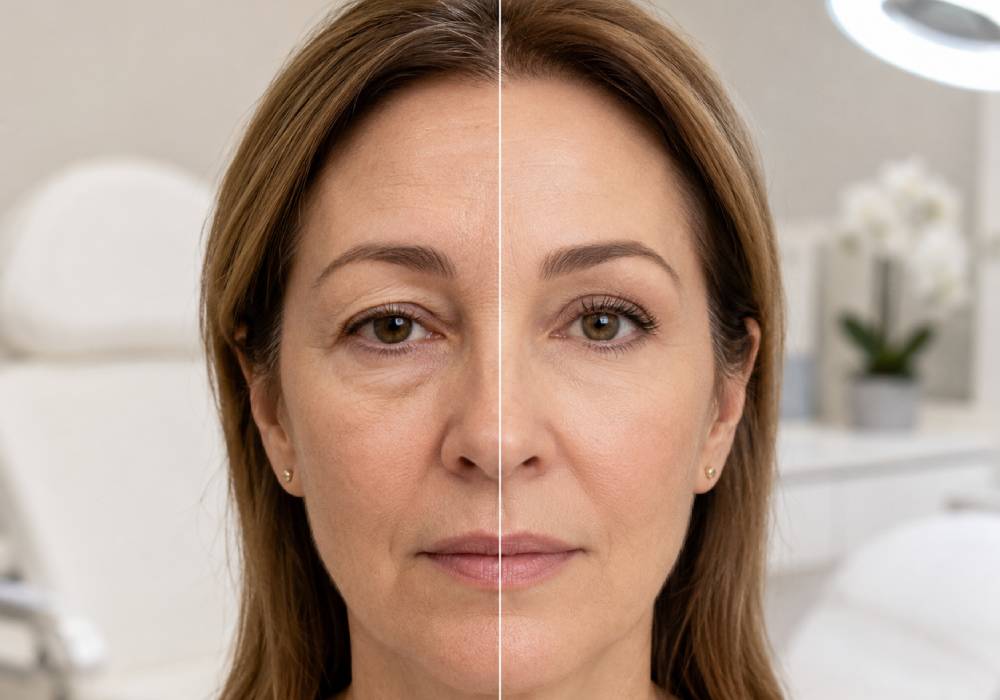
Blepharoplasty is one of the most popular facial cosmetic surgeries, performed with the aim of rejuvenating the eyelids and improving the appearance of the eyes. The eyes are among the most important components of the face in establishing eye contact and conveying emotions, and changes in this area have a direct impact on how others perceive a person’s face. With aging, genetic factors, lifestyle, exposure to sunlight, lack of sleep, and environmental influences, the skin around the eyes gradually develops sagging, wrinkles, and fat accumulation. These changes not only make a person appear tired, sad, or older than their actual age, but in some cases can also lead to a limitation of the visual field, especially in the upper eyelid. Blepharoplasty, as one of the effective eyelid surgical methods, is considered a safe, practical, and long-lasting solution for addressing these issues.
Review of Blepharoplasty
Blepharoplasty, or eyelid surgery, is a cosmetic and in some cases therapeutic surgical procedure that is performed by removing excess skin, fat, or muscle from the upper and/or lower eyelids. The main goal of this surgery is to improve the appearance of the eyes, create a fresher and more youthful face, and in specific cases, improve visual function. Blepharoplasty can be performed on the upper eyelids, lower eyelids, or all four eyelids, and the type of procedure is determined based on the anatomical condition of the eyelids, the patient’s age, and therapeutic or aesthetic goals.
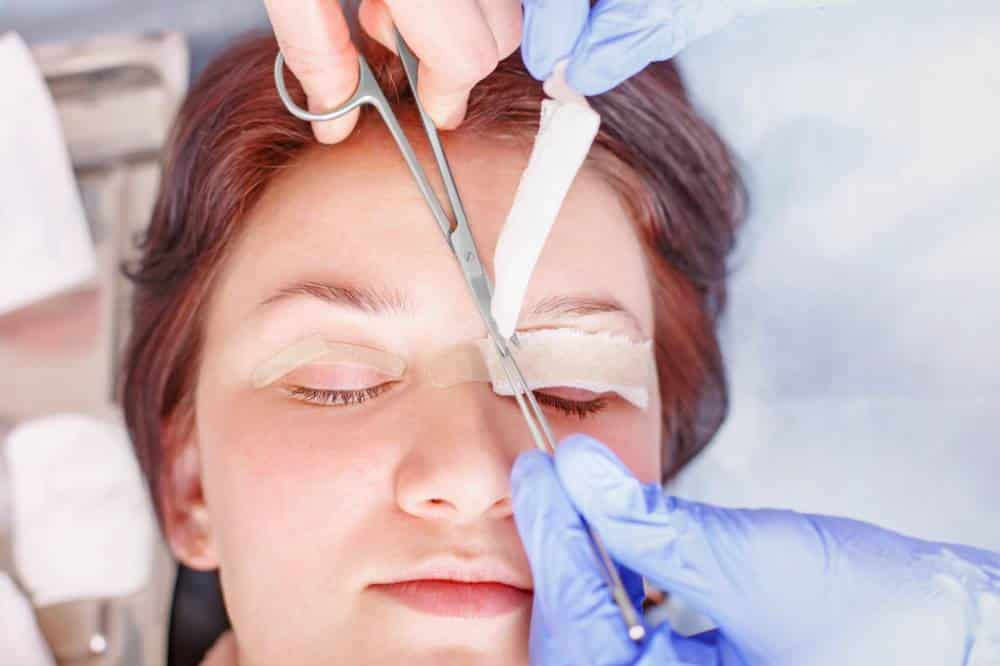
Importance of Blepharoplasty in Facial Aesthetics
The eyes play a very important role in facial balance and harmony. Eyelid drooping or the presence of puffiness and dark circles under the eyes can make a person look tired or unhappy even at rest. By correcting this area, blepharoplasty improves the proportionality of facial features and has a significant impact on increasing self-confidence, satisfaction with body image, and social interactions.
Types of Blepharoplasty
Upper Eyelid Blepharoplasty
In upper eyelid blepharoplasty, excess skin and fat that cause eyelid drooping are removed. In addition to its cosmetic aspect, this type of surgery is therapeutic in many cases, as severe upper eyelid drooping can reduce the visual field and make daily activities difficult.
Lower Eyelid Blepharoplasty
Lower eyelid blepharoplasty is mainly performed to eliminate under-eye puffiness and fat bags. In this method, excess fat is either removed or repositioned in a way that makes the under-eye area appear smoother, more even, and more youthful.
Four-Eyelid Blepharoplasty
In four-eyelid blepharoplasty, surgery on the upper and lower eyelids is performed simultaneously. This method is usually suitable for individuals seeking comprehensive rejuvenation of the area around the eyes and more harmonious results.
Suitable Candidates for Blepharoplasty
Individuals with the following characteristics are generally considered suitable candidates for eyelid surgery:
- Drooping of the upper eyelid skin
- Puffiness or fat bags under the eyes
- A tired or aged appearance around the eyes
- Good general health
- Realistic expectations of the surgical outcome
Stages of Blepharoplasty Surgery
Blepharoplasty surgery usually includes the following stages:
- Consultation and thorough examination of the eyelids
- Review of medical history and selection of the type of anesthesia or sedation
- Creation of an incision along the natural eyelid crease
- Removal or repositioning of excess skin, fat, or muscle
- Suturing and delicate dressing with minimal scarring
Blepharoplasty Recovery Period
The recovery period after blepharoplasty usually lasts between 7 to 14 days. During this time, the patient may experience swelling, bruising, dryness, or a feeling of tightness in the eyelid area. Strict adherence to the physician’s recommendations plays an important role in reducing complications and accelerating the healing process.
Common Complications During the Blepharoplasty Recovery Period
Eyelid swelling: Swelling is one of the most common complications of blepharoplasty and usually gradually decreases over several days.
Bruising around the eyes: Bruising after eyelid surgery is normal and, depending on the individual’s physical condition, usually resolves within one to two weeks.
Dry eyes: Dryness or burning of the eyes is a common recovery-period complication that is often controlled with the use of artificial tear drops.
Pain and tightness: Pain is usually mild and is well controlled with prescribed medications.
Suture marks and scarring: Incisions in blepharoplasty are designed to minimize scarring, which gradually fades over time.

Rare Complications of Blepharoplasty
- Infection
- Bleeding
- Eyelid asymmetry
- Temporary double vision
Post-Blepharoplasty Care
- Use of cold compresses
- Avoidance of heavy activities
- Avoidance of eye makeup
- Regular use of prescribed medications
- Attendance at post-operative follow-up visits
Longevity of Blepharoplasty Results
The results of blepharoplasty are usually long-lasting and remain for many years in most individuals, although the natural aging process continues.
Conclusion
Blepharoplasty is a safe and effective method for rejuvenating the eyes and improving the overall appearance of the face. Awareness of common recovery-period complications and adherence to medical recommendations play an important role in achieving a natural and satisfactory result. Choosing an experienced physician and a reputable medical center is the most important factor in the success of eyelid surgery. At Dr. Karina Ghadimi’s clinic, blepharoplasty is performed with careful evaluation of each individual’s condition, adherence to scientific and aesthetic principles, and comprehensive patient support before and after surgery to achieve a safe, natural, and long-lasting result.