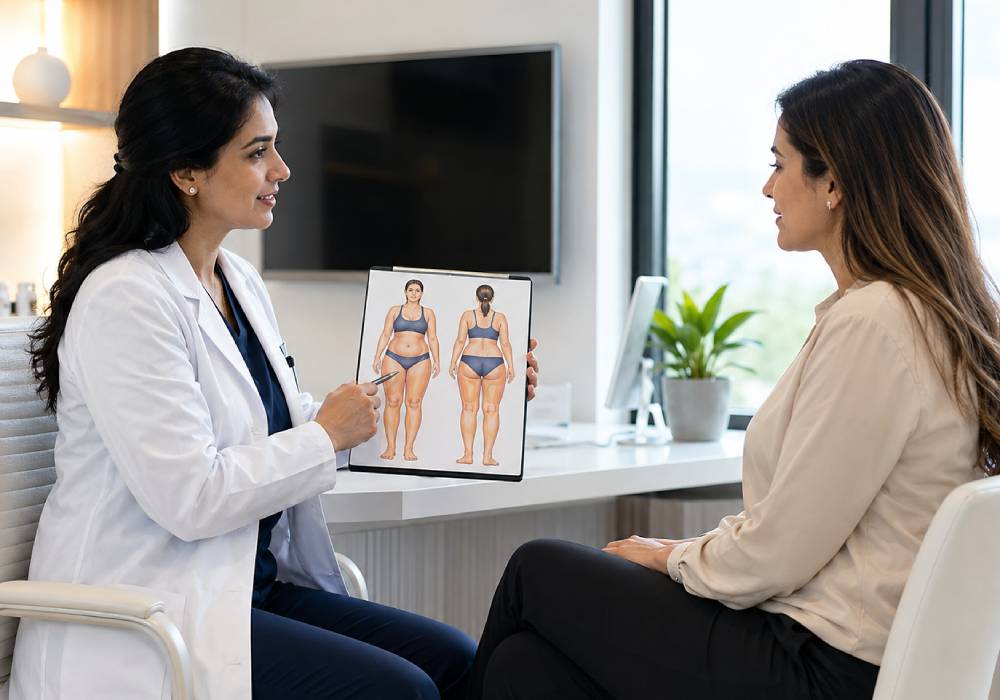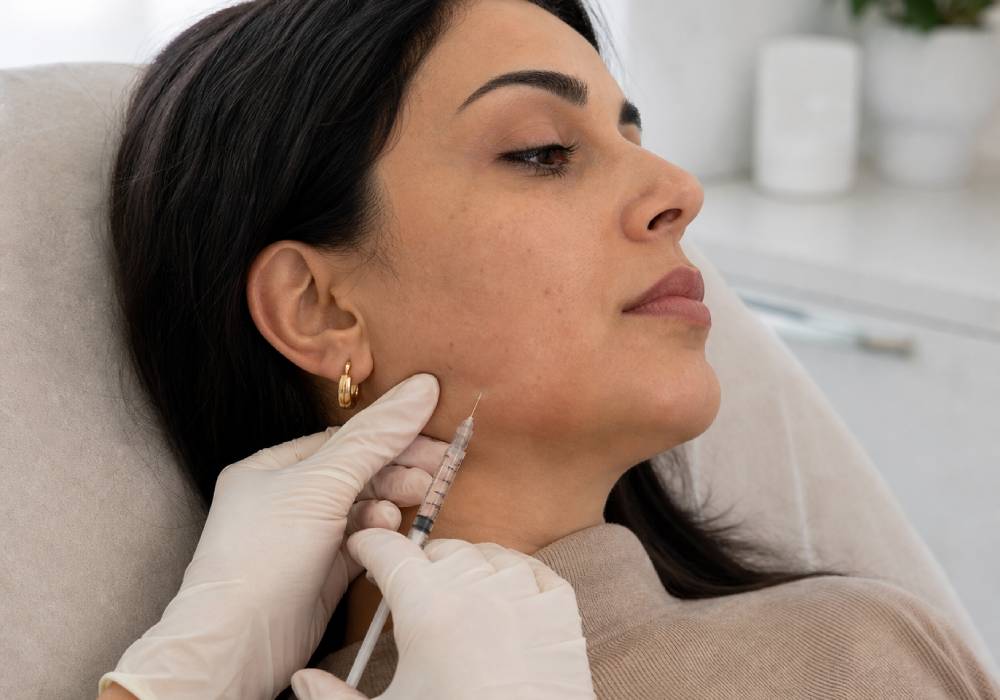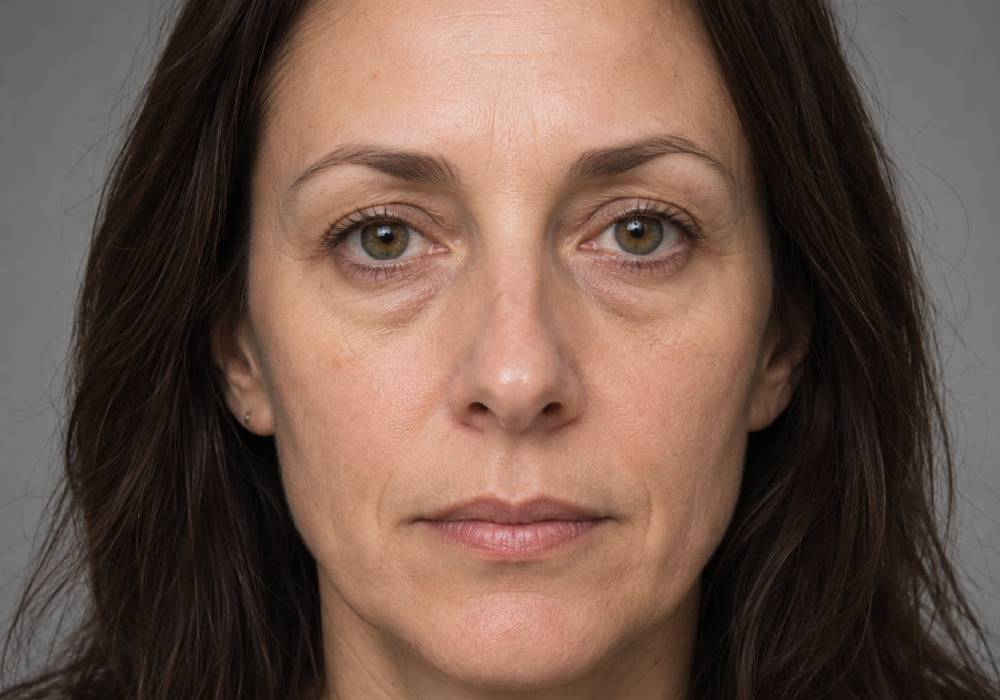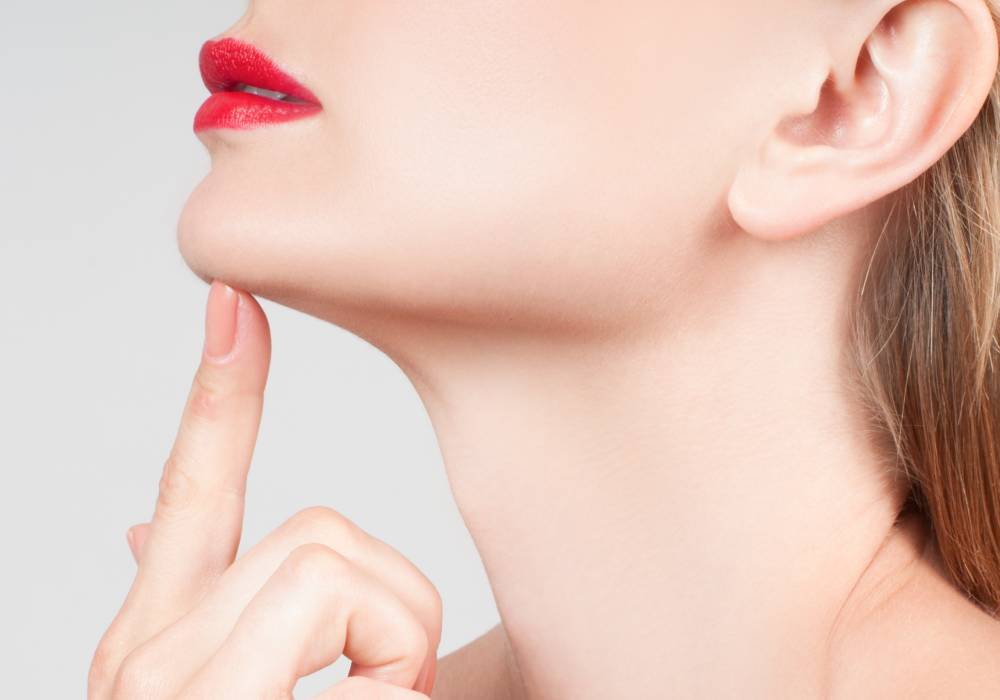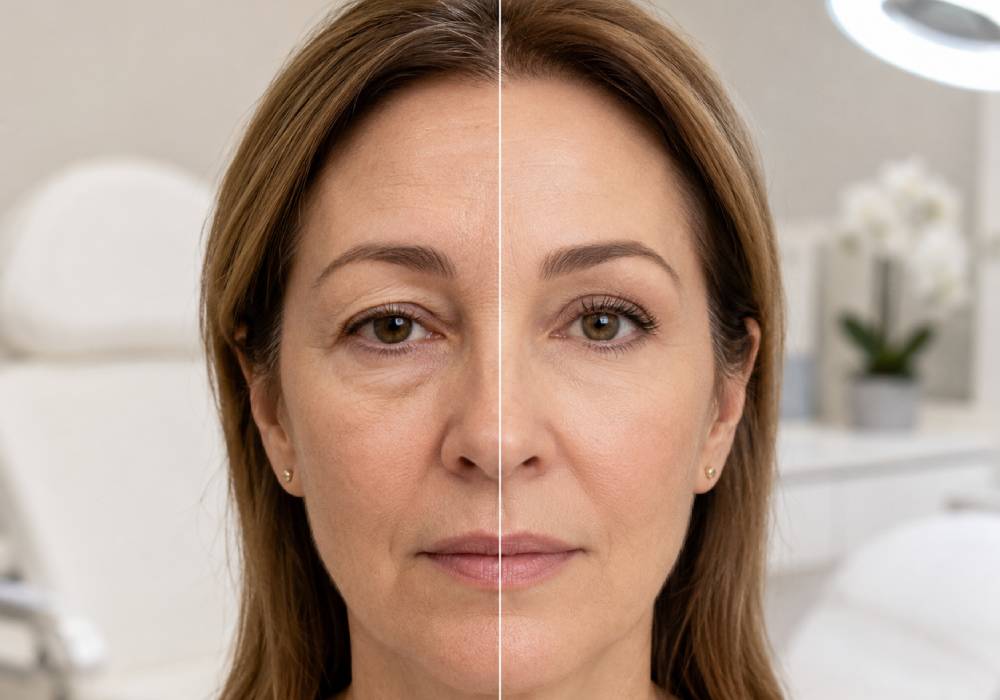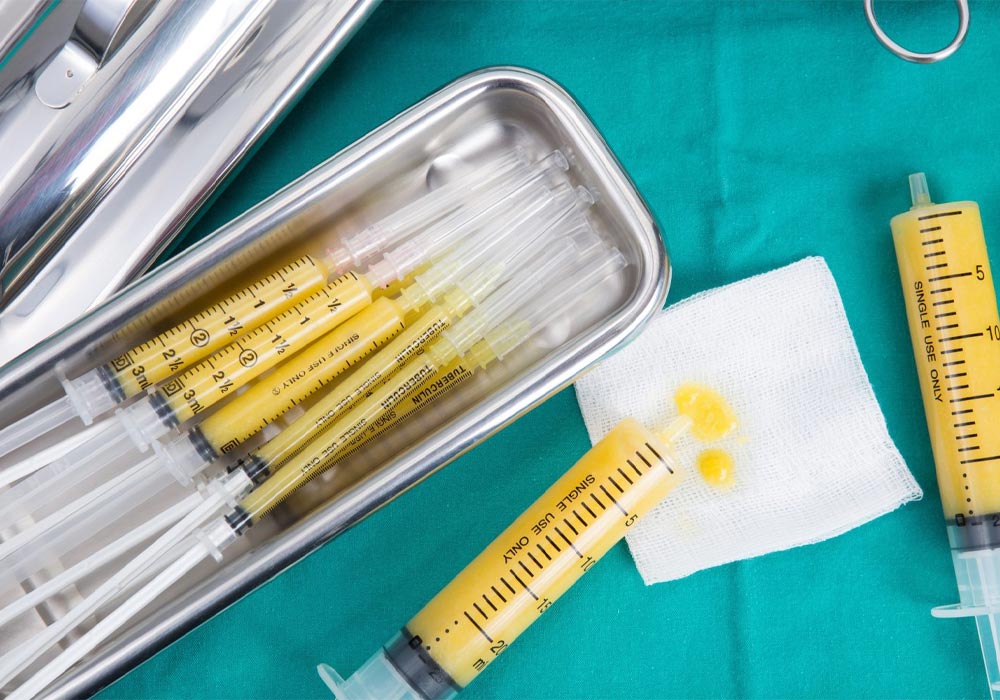
Fat injection is one of the most natural and widely used procedures for facial and body rejuvenation and volume restoration. Because it uses the patient’s own fat, the results typically appear natural and blend well with the surrounding tissues. However, a portion of the injected fat is naturally reabsorbed during the first few weeks and months after the procedure. This occurs because fat cells depend on the development of a new blood supply for survival, and factors such as injection technique, fat quality, and the individual’s physical condition also influence the outcome. This process is considered a normal part of fat grafting.
The Survival and Stabilization Process of Injected Fat
After fat injection, the transferred fat cells enter a critical stage of survival and stabilization within their new environment. During this phase, only the fat cells that quickly establish a blood supply with the surrounding tissue can survive by receiving oxygen and nutrients. In the first days and weeks, some fat cells fail to develop this vascular connection, undergo cell death, and are gradually absorbed by the body. In contrast, fat cells that receive a stable blood supply become permanently integrated into the tissue and contribute to the final result.
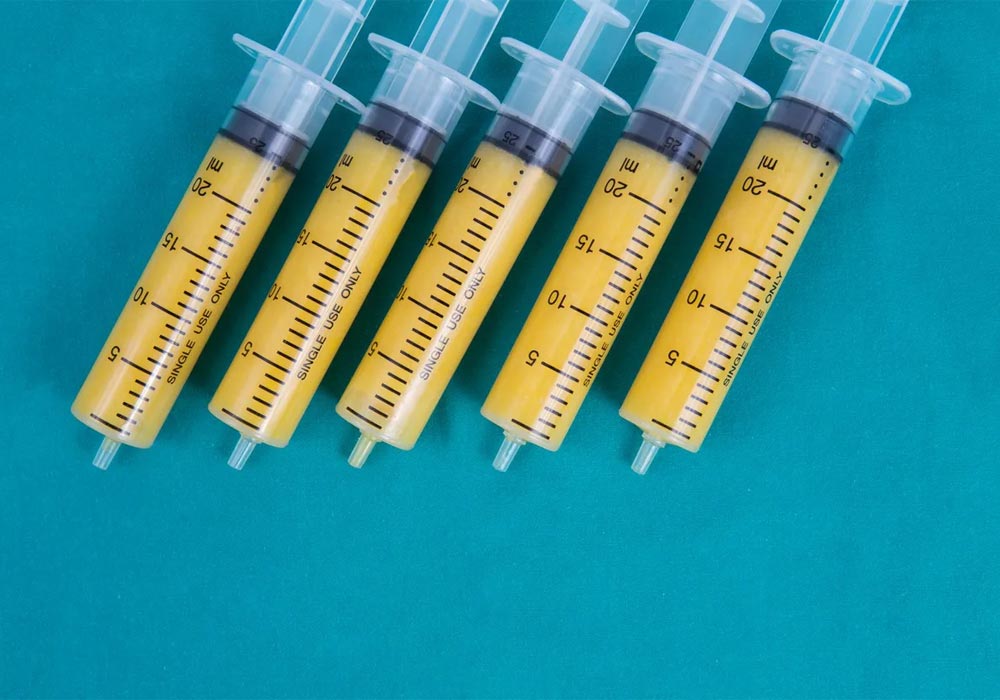
Main Reasons Why Fat Is Reabsorbed After Injection
The absorption of a portion of the injected fat is a natural process caused by the dependence of fat cells on establishing a new blood supply.
Insufficient Blood Supply to the Injected Fat
One of the primary reasons for fat reabsorption is inadequate blood circulation in the recipient area. Fat cells require oxygen and nutrients, which are supplied only through the formation of new blood vessels. If this process is incomplete or if more fat is injected than the tissue can support, some cells receive insufficient nourishment, gradually die, and are eventually absorbed by the body.
Improper Fat Harvesting or Injection Technique
An improper harvesting or facial fat injection technique can significantly reduce fat survival and increase reabsorption. If fat cells are damaged during harvesting or transfer, their quality declines, reducing their ability to survive after injection. Likewise, injecting fat into the wrong tissue layer or applying excessive pressure can interfere with the connection between the fat and surrounding tissues, preventing proper blood vessel formation. As a result, some fat cells die and are gradually absorbed.
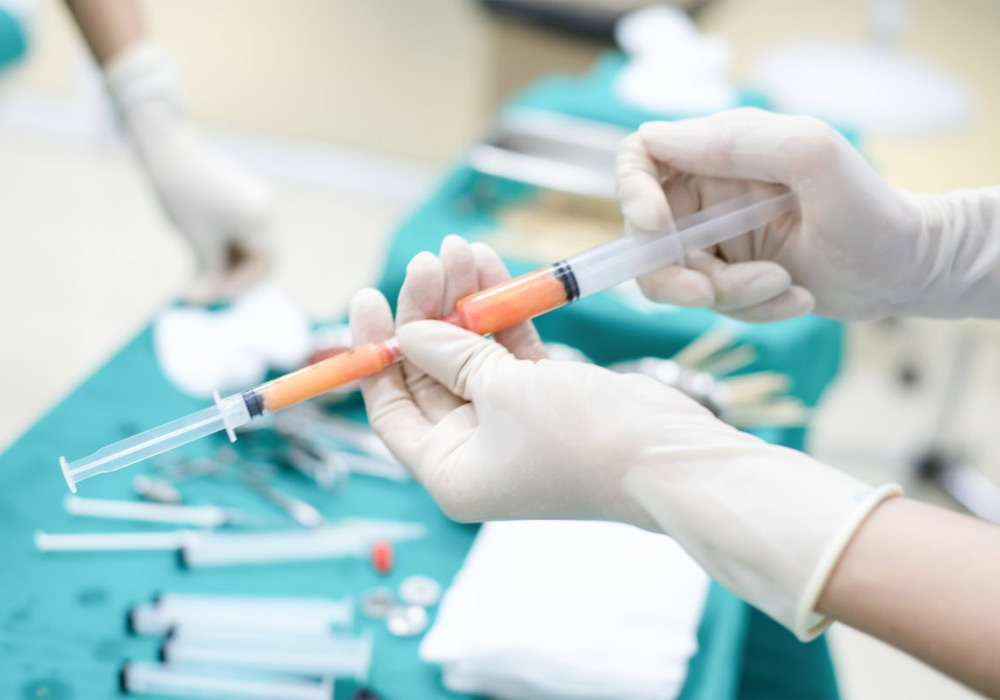
Lack of Physician Skill and Experience
The physician’s skill and experience play a crucial role in the longevity of fat grafting results. If harvesting, processing, and injection are not performed correctly, fat cells may become damaged or be placed in unsuitable tissue layers. This can disrupt blood supply, reduce cell survival, and increase the amount of fat that is naturally reabsorbed.
Poor Quality of Harvested Fat
Low-quality harvested fat is another important factor contributing to reduced fat retention. If the fat is exposed to excessive mechanical pressure, heat, or trauma during harvesting or processing, the fat cells may become damaged, reducing their ability to survive after transplantation. Additionally, the presence of blood, excess fluids, or damaged cells in the graft can trigger inflammation and interfere with normal blood circulation. Consequently, only healthy fat cells remain viable, while the rest are gradually absorbed.
Improper Fat Processing
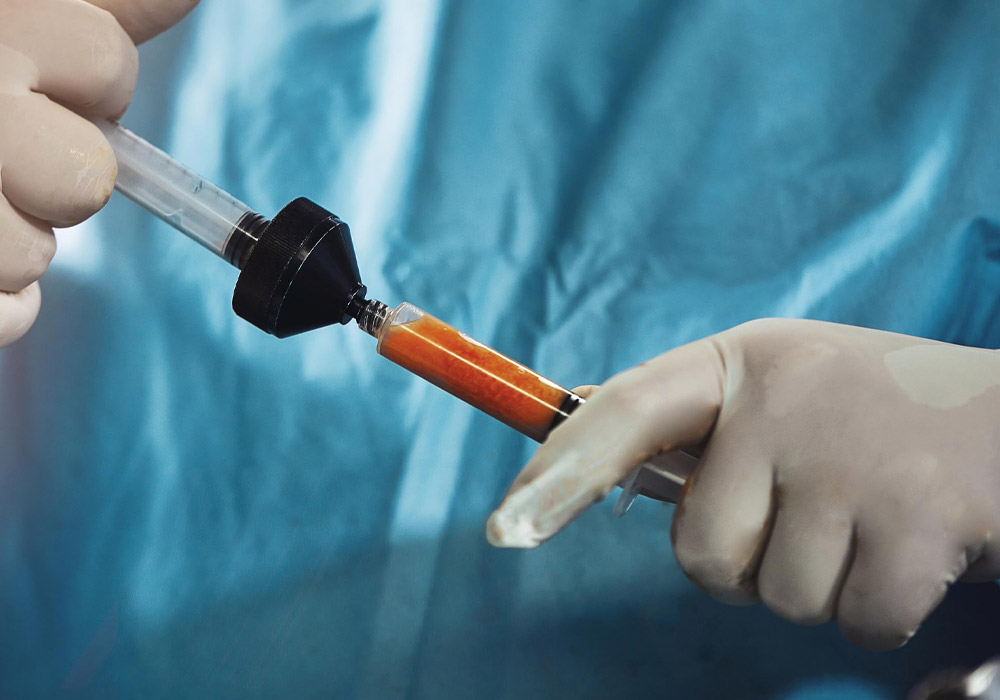
The fat preparation process significantly affects the quality and longevity of the transferred fat. During processing, harvested fat should be carefully separated from blood, excess fluids, and damaged cells to create a clean and healthy graft. If this step is not performed properly, impurities can cause inflammation, impair blood supply, and reduce fat cell survival. As a result, a larger portion of the injected fat may be absorbed by the body.
Injecting Too Much Fat in a Single Session
Injecting a large volume of fat in one session can decrease long-term retention. When too much fat is placed into a limited area, the surrounding tissue cannot provide adequate blood supply to all the cells. As a result, the central portion of the graft may suffer from oxygen deprivation, leading to cell death and gradual absorption. Smaller, strategically placed fat deposits generally provide more stable and uniform results.
The Body’s Natural Response and Immune System
The body’s natural response to injected fat also affects how much of the graft survives. After transplantation, damaged or weaker fat cells may not adapt to their new environment. The body gradually removes these non-viable cells, leading to a reduction in the initial volume. Individual differences in this natural response can significantly influence the final outcome.
Intense Physical Activity During Recovery
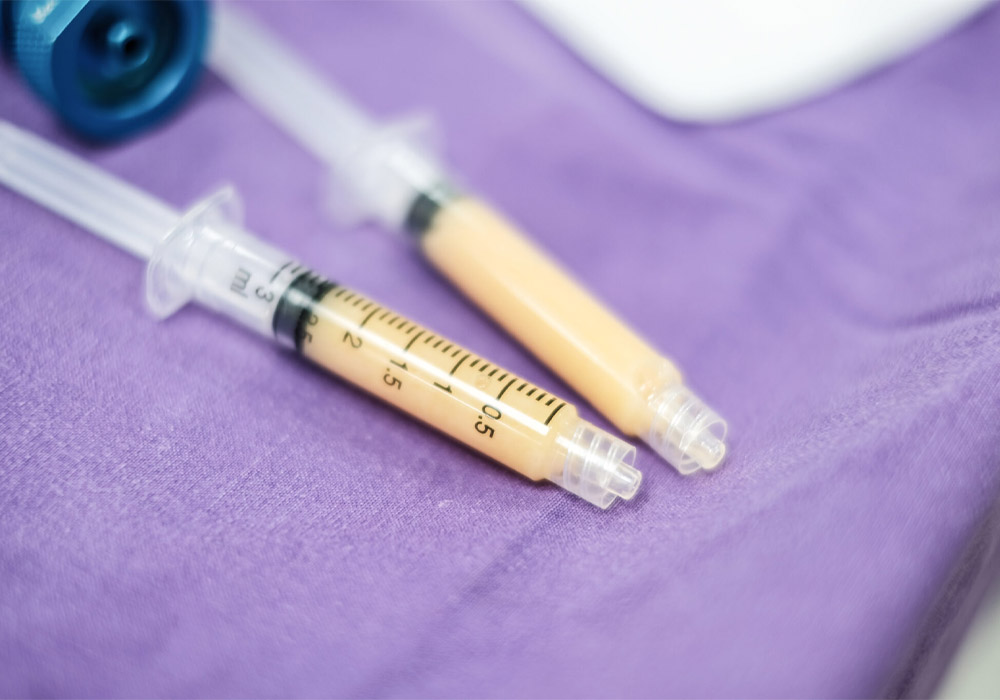
Strenuous physical activity during the early recovery period can place excessive stress on the newly transferred fat. Increased blood flow and vigorous muscle movement may interfere with the stable environment needed for fat cell survival, increasing the likelihood of cell damage. As a result, more fat cells may fail to survive and become reabsorbed. Limiting physical activity during the first days after the procedure is essential for preserving volume and achieving uniform results.
Condition of the Recipient Site
The condition of the recipient tissue is a major factor in the success and longevity of fat grafting. If the treatment area has poor blood circulation, previous injuries, scar tissue, or fibrosis, fat cells may not receive enough oxygen and nutrients to survive. Under these circumstances, more fat cells are likely to die and be absorbed. Conversely, healthy tissue with good vascularity provides a more favorable environment for fat survival and long-lasting results.
Fat Reabsorption During the First Few Months
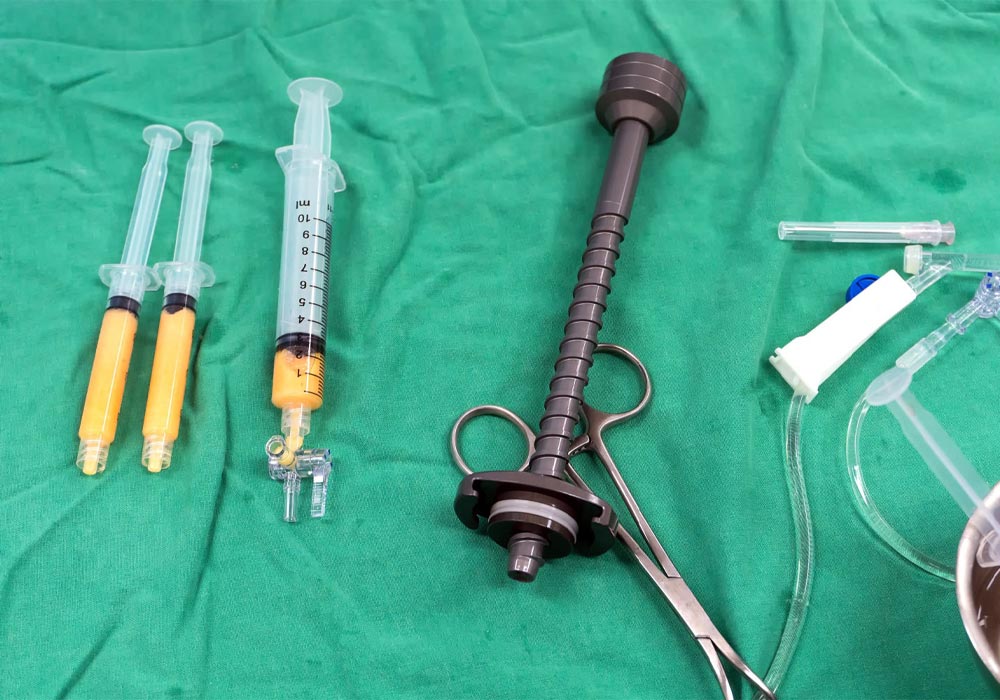
During the first few months after facial fat injection, it is normal for some of the initial volume to decrease. This occurs because not all fat cells receive sufficient blood supply, and weaker cells are gradually eliminated by the body. Over several weeks to a few months, only the healthy, well-established fat cells remain. After this stabilization period, the rate of fat absorption slows significantly, and the final volume becomes more stable.
Improving Fat Survival Through Proper Aftercare
Following proper aftercare instructions plays a significant role in improving fat retention. During the first few days, avoiding direct pressure on the treated area and refraining from strenuous activities help create favorable conditions for fat cell survival. Maintaining a healthy diet, staying well hydrated, and minimizing inflammation also support tissue healing and improve blood circulation. Unlike procedures such as Botox injections, which primarily affect muscle activity, the success of fat grafting depends largely on maintaining healthy tissue. With appropriate care, a greater number of fat cells survive, resulting in a more stable and long-lasting outcome.
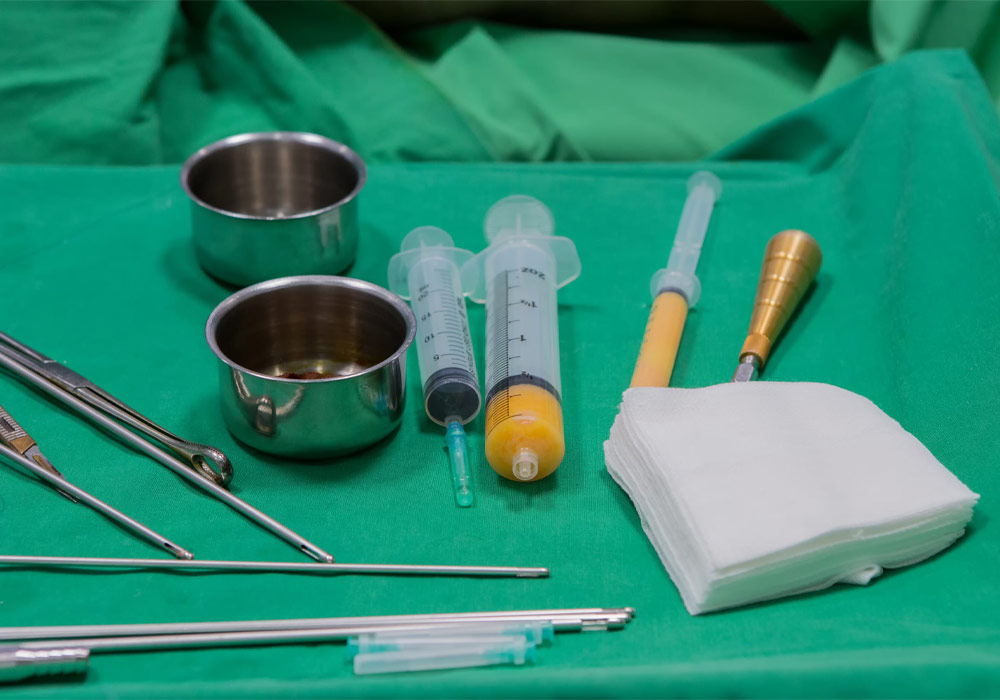
Facial fat injection at Dr. Karina Ghadimi Clinic is performed using advanced equipment and precise techniques. Every stage, from fat harvesting to processing and injection, is carried out according to modern standards to achieve natural, long-lasting results. Patients can also benefit from a comprehensive consultation before undergoing treatment.
Conclusion
Fat injection is a natural and effective procedure for facial and body rejuvenation because it uses the patient’s own tissue to restore lost volume. Although a portion of the injected fat is naturally absorbed during the first few months, this is a normal part of the healing process and depends on factors such as fat quality, injection technique, blood supply, and the individual’s physical condition. Careful harvesting, proper fat processing, precise injection techniques, and diligent post-procedure care all contribute to improved fat survival and longer-lasting results. Understanding these factors helps patients develop realistic expectations and achieve the best possible outcome.
Also Read: