Mammoplasty is one of the most common and widely performed plastic and reconstructive breast surgeries, carried out for both aesthetic and therapeutic purposes. Many individuals choose this procedure to improve body appearance, increase self-confidence, or reduce physical problems caused by breast hypertrophy or ptosis. The outcomes of mammoplasty depend on multiple factors, among which genetics and body type play a very important and determining role. Understanding these factors helps patients develop more realistic expectations of surgical results and make more informed decisions. This understanding also enables the surgeon to select the most appropriate surgical technique based on each individual’s condition, thereby increasing the likelihood of final patient satisfaction.
What Is Mammoplasty?
Mammoplasty refers to a group of breast surgeries performed with the aim of changing the size, shape, or position of the breasts. This surgery may include reduction mammoplasty to decrease breast volume, augmentation mammoplasty to increase breast volume, and reconstructive mammoplasty to correct deformities or reconstruct the breast. Each of these methods has specific goals and produces different outcomes depending on the individual’s physical and genetic characteristics. Body structure, fat distribution, skin quality, and even family history play an important role in the final breast shape after mammoplasty.
The Role of Genetics in Breast Shape and Structure
Genetics is one of the main determining factors in the natural shape of the breasts. Initial breast size, the ratio of fatty tissue to glandular tissue, skin quality, its elasticity, and even nipple position are largely influenced by genetics. Individuals who genetically have thin skin or poor elasticity may experience early breast sagging or shape changes over time after mammoplasty. Genetics can also affect how the skin responds to stretching and changes in breast volume following surgery. For this reason, evaluating the patient’s genetic characteristics prior to surgery is of great importance.
Alongside examining the role of genetics and body type in mammoplasty outcomes, choosing a medical center and an experienced surgeon also has a direct impact on the quality and durability of surgical results. Dr. Karina Ghadimi Clinic, by utilizing up-to-date knowledge and a scientific approach, offers a wide range of services in the field of aesthetic surgery, including various breast surgeries such as mammoplasty, mastopexy, and breast implants, as well as body contouring procedures like abdominoplasty and 360-degree liposuction. At this center, by considering the genetic characteristics, body type, and individual conditions of each patient, a personalized treatment plan is designed to achieve not only aesthetic beauty but also maximum harmony with the natural body structure and patient safety.
Genetics and the Wound Healing Process
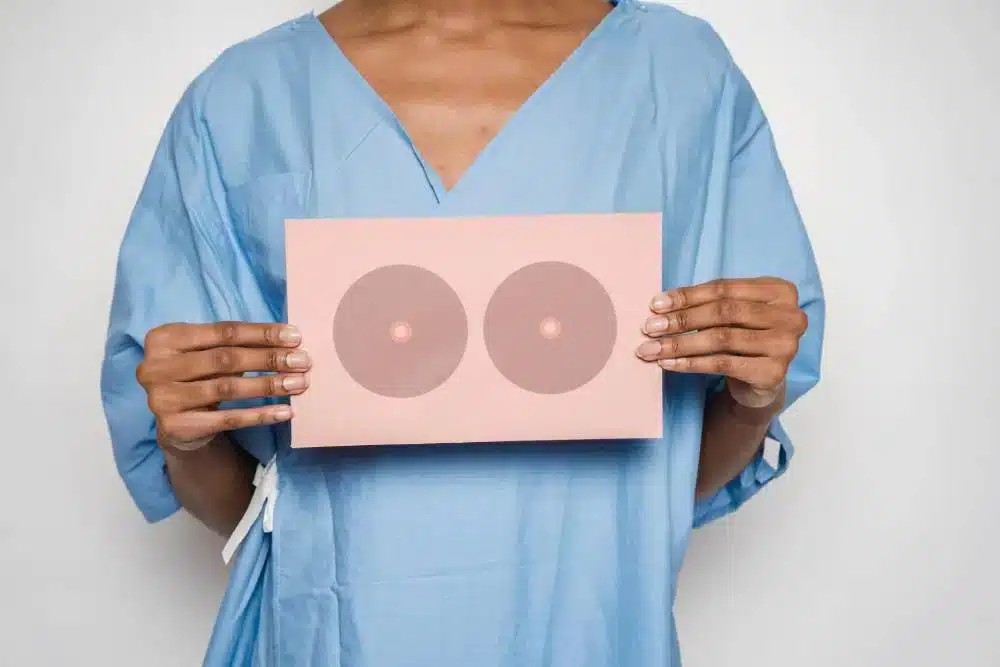
The body’s response to surgery and the quality of wound healing also largely depend on genetic factors. Some individuals naturally have a better healing process and less visible scars, while others are prone to developing raised scars or keloids. This can affect the final outcome and aesthetic appearance of mammoplasty. Awareness of a family history of scarring or wound healing problems helps the surgeon consider necessary preventive measures and choose a more suitable surgical technique.
What Is Body Type and Why Is It Important?
Body type refers to the pattern of fat distribution, muscle mass, and skeletal structure of the body. Generally, there are three main body types: ectomorph, mesomorph, and endomorph. Each of these body types has specific characteristics and responds differently to breast surgery. Body type can influence the choice of surgical method, the amount of tissue removed or added, and even the final breast shape after mammoplasty.
In endomorphic individuals, who usually have a higher amount of fatty tissue, reduction mammoplasty can not only improve appearance but also reduce neck, shoulder, and back pain. These individuals typically experience favorable outcomes in terms of reduced physical pressure and improved quality of life. In contrast, slender or ectomorphic individuals require more precise and conservative techniques to preserve a natural breast shape and prevent an unnatural appearance.
Body Type and Augmentation Mammoplasty
In augmentation mammoplasty, body type plays a very important role in selecting the size and type of implant. Individuals with a lower body mass index and thinner skin may not be suitable candidates for large implants. In such cases, using combined methods such as fat grafting can help achieve a more natural result. Paying attention to proportionality between the breasts and other parts of the body is a key principle in achieving a satisfactory outcome.
Durability of Mammoplasty Results
The durability of mammoplasty results depends on various factors, including skin quality, genetics, weight fluctuations, pregnancy, and lifestyle. Individuals who are prone to significant weight gain or loss may experience changes in breast shape over time. Although genetics is a fixed and unchangeable factor, maintaining a healthy lifestyle can play a significant role in preserving surgical results.
The Role of Lifestyle Alongside Genetics
A healthy lifestyle, including proper nutrition, regular exercise, avoidance of smoking, and weight control, can help improve and maintain mammoplasty results. Smoking can disrupt the wound healing process and reduce the quality of the final outcome. Additionally, appropriate physical activity and maintaining a stable weight play an important role in preserving breast shape after surgery.
Preoperative Consultation and the Importance of Individual Assessment
A thorough preoperative consultation is one of the most important stages of mammoplasty. At this stage, family history, body type, skin quality, physical condition, and patient expectations are fully evaluated. This individualized assessment helps the surgeon select the best surgical method and reduce the risk of complications. It also ensures that the patient enters the surgical process with full awareness, which has a significant impact on final satisfaction.
Conclusion
The role of genetics and body type in mammoplasty outcomes is undeniable. A proper understanding of these factors helps patients proceed with surgery more knowingly and develop more realistic expectations of the final result. Choosing the appropriate surgical method, considering individual characteristics, and following medical recommendations play a crucial role in achieving natural, long-lasting, and satisfactory outcomes.
At Dr. Karina Ghadimi Clinic, the mammoplasty process is based on a precise evaluation of genetics, body type, skin quality, and each patient’s specific conditions, ensuring that the most suitable surgical technique is selected according to individual needs. This personalized approach, while reducing potential complications, helps increase patient satisfaction and achieve natural and predictable results.