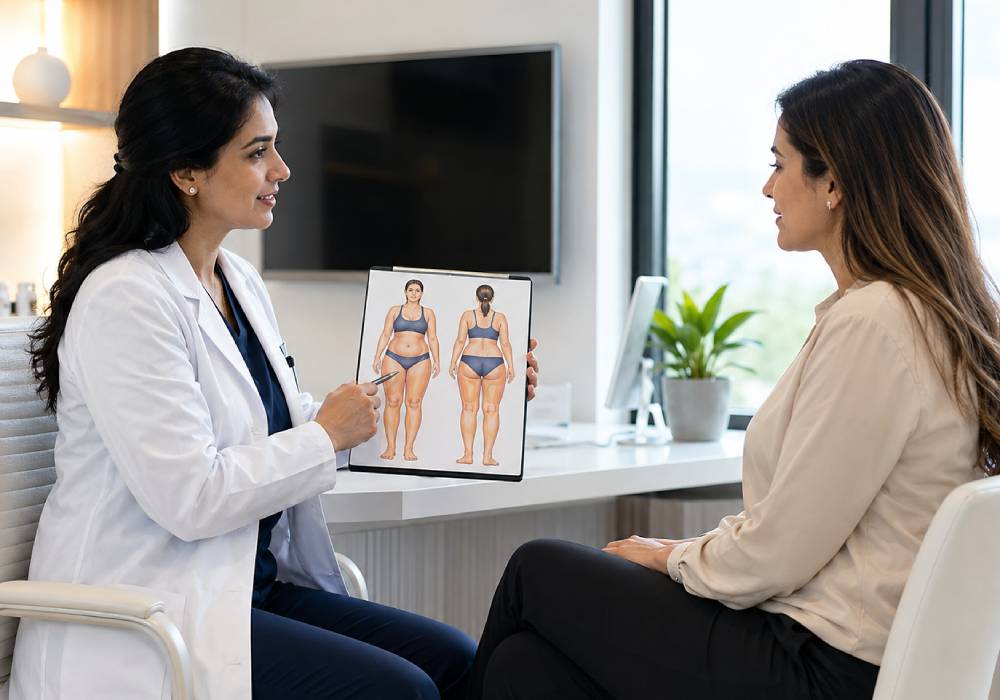
Mammoplasty is one of the most popular aesthetic and therapeutic breast surgeries, and every year a large number of women choose it in order to improve body shape, reduce chronic pain, or increase self-confidence. However, like any other surgical procedure, mammoplasty can also be associated with potential complications. Most people are only aware of common side effects such as swelling or pain, while there are also less common complications that, although rare, can be serious and affect the final outcome of the surgery. At Dr. Karina Ghadimi Clinic, every effort is made to fully inform patients so they can make decisions with peace of mind.
In the following, rare complications of mammoplasty are reviewed. This information helps you have more realistic expectations, recognize warning signs earlier, and choose a suitable surgeon. It should be noted that most of these complications are preventable by selecting an experienced surgeon and strictly following post-operative care instructions.

Who Is Mammoplasty Suitable For?
Mammoplasty includes various types of breast surgeries, including reduction mammoplasty (to reduce breast size), augmentation mammoplasty (using implants), and reconstructive mammoplasty (after breast cancer). This surgery is considered a very suitable option for women who suffer from neck and back pain due to large breasts, have asymmetrical or sagging breasts, or face functional or aesthetic problems after previous surgeries.
For example, reduction mammoplasty can reduce chronic pain and make daily activities easier. In addition to improving physical appearance, this surgery plays an effective role in enhancing quality of life.
The Importance of Awareness of Rare Complications
Common complications such as bruising or swelling usually resolve within a short period of time, but rarer complications (less than 5 to 10 percent of cases) may require additional treatments. Awareness of these issues helps you have more realistic expectations, recognize abnormal symptoms earlier, and choose a reputable surgeon.
Breast Tissue Necrosis and Nipple Necrosis
Breast tissue necrosis refers to the death of tissue cells due to reduced blood supply. This rare complication (less than 2 percent) is more commonly seen in smokers, individuals with diabetes, or in extensive surgeries. Its symptoms include skin color changes to dark or black, severe pain, and foul-smelling discharge. If diagnosed early, this complication can be managed with medication or removal of damaged tissue.
Nipple necrosis is one of the most serious rare complications of mammoplasty, especially in reduction or breast lift surgeries. Its incidence rate is about 1 to 2 percent and is more commonly seen in very large breasts or smokers. Early signs include paleness or bruising of the nipple. Treatment may require reconstructive surgery or skin grafting. Experienced surgeons minimize the likelihood of this complication by using blood-supply-preserving techniques.
To receive more information, please read the article on the effects of mammoplasty on nipple sensation.
Reduced or Loss of Nipple Sensation
Changes in nipple sensation are usually temporary and return to normal within a few months, but in rare cases (less than 5 percent), they may become permanent. This issue can affect sexual satisfaction or breastfeeding ability. However, in most patients, normal sensation fully returns. If permanent, treatment options are limited, but choosing a skilled surgeon who carefully preserves nerves significantly reduces this risk.
Persistent Breast Asymmetry
Some degree of asymmetry between the breasts is natural, but if this asymmetry is severe and persistent, it is considered a complication. This issue is usually related to differences in the healing process or surgical technique and may require a small corrective surgery. Precise measurements before and during surgery play an important role in reducing this risk. At Dr. Karina Clinic, most patients experience desirable breast symmetry after surgery.
Chronic Seroma
Seroma refers to the accumulation of fluid under the skin, which is often absorbed spontaneously. If it becomes chronic, it can alter breast shape or increase the risk of infection. Its treatment is usually simple and involves draining the fluid with a syringe. Using drains in the early days and wearing a suitable compression bra minimize the likelihood of this complication.
Late Infections
Late infections, which may occur months after surgery, are more commonly seen in individuals with breast implants. Treatment includes antibiotics and, in some cases, temporary removal of the implant. Strict adherence to sterilization principles in the operating room and proper post-surgical care play an important role in reducing this risk.
Capsular Contracture (in Augmentation Mammoplasty)
In augmentation surgeries with implants, the capsule around the implant may harden (about 5 to 10 percent of cases), which can cause pain or breast deformity. Treatment of this complication includes surgery to release the capsule or replace the implant. The use of new-generation implants and placing them under the muscle has significantly reduced the risk of this problem.
Abnormal Scars (Keloid or Hypertrophic)
In some individuals, especially those with darker skin, scars may become raised or widened. These types of scars can be well controlled with treatments such as topical creams, corticosteroid injections, or laser therapy. Proper wound care in the early weeks, including keeping it clean and moisturized, is very important.
Psychological Effects After Surgery
Some patients experience anxiety, mild depression, or dissatisfaction with body image after surgery. This issue is more common in individuals who had unrealistic expectations before surgery. Preoperative psychological evaluation and family support play an important role in preventing these problems.
How Can the Risk of Rare Complications Be Reduced?
- Choosing a highly experienced plastic surgeon
- Quitting smoking at least 4 to 6 weeks before and after surgery
- Controlling conditions such as diabetes and high blood pressure
- Strictly following post-operative care instructions (wearing a suitable bra, taking medications, and attending follow-up visits)
- Regular follow-up after surgery
Conclusion
Mammoplasty is generally a safe and satisfying surgery, but awareness of its rare complications helps you make a more informed decision. If you are considering this surgery, preoperative specialized consultation is essential. At Dr. Karina Clinic, with experienced surgeons and a patient-centered approach, we are by your side to achieve the best and safest possible result.
To receive a free consultation and review your condition, you can contact us now or book an online appointment. Your health and beauty are our priority.