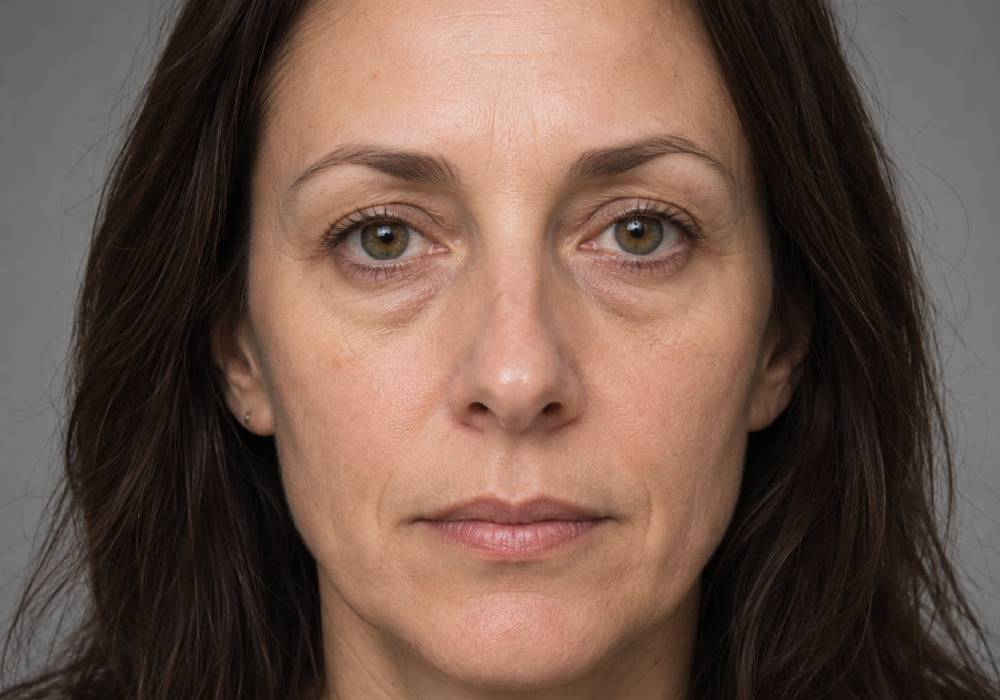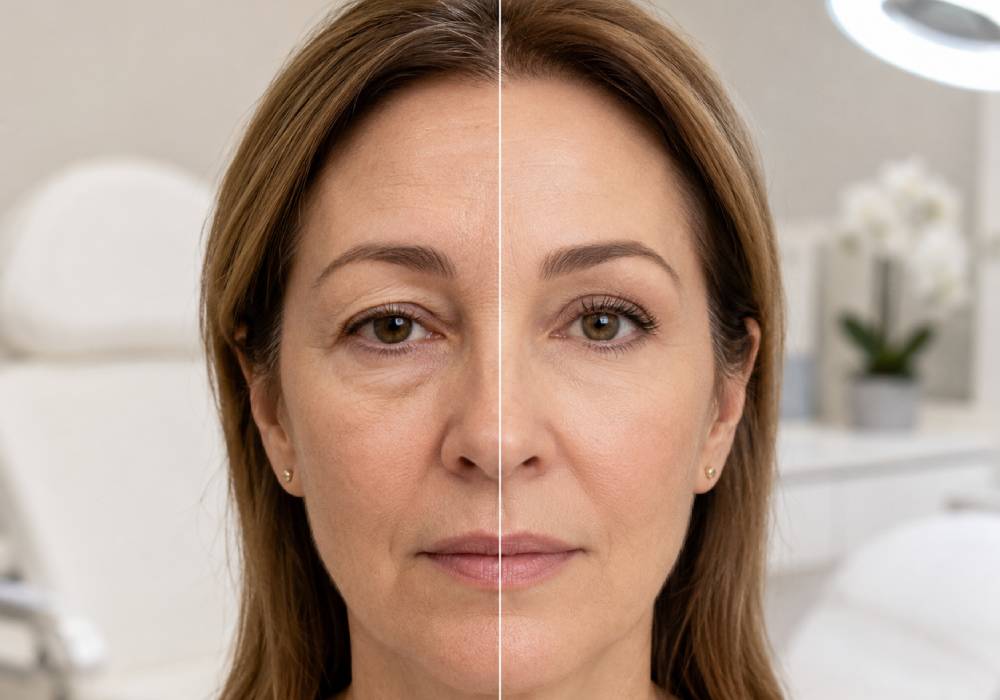
The eyes are one of the most important features of the face, playing a significant role in expressing emotions and creating harmony among the facial features. With age, changes such as drooping eyelid skin, the development of wrinkles around the eyes, reduced freshness of the gaze, and the accumulation of excess skin or fat around the eyelids may affect the appearance of the upper third of the face.
Blepharoplasty is one of the commonly performed procedures in facial aesthetics, aimed at correcting issues affecting the upper and lower eyelids. It can help improve the shape of the eyes and create a more youthful facial appearance. By focusing on the structures around the eyes, this procedure helps maintain harmony among the facial features and achieve a more natural appearance.
The Impact of Blepharoplasty on Eyelid Drooping and Eye Shape
Drooping eyelids are one of the factors that can affect the appearance of the eyes and the overall freshness of the face. As the skin loses elasticity and age-related tissue changes occur, excess skin may develop around the eyelids, making the eyes appear heavier. By precisely correcting excess skin and tissue around the eyelids, blepharoplasty can help improve eye shape and create greater balance in the upper third of the face.
In this procedure, the goal is not simply to remove excess skin; preserving the natural appearance of the eyes and creating harmony among the facial features are also highly important. Selecting the appropriate technique based on eye shape, skin condition, and each individual’s facial characteristics can help achieve a fresher appearance and a natural-looking result.
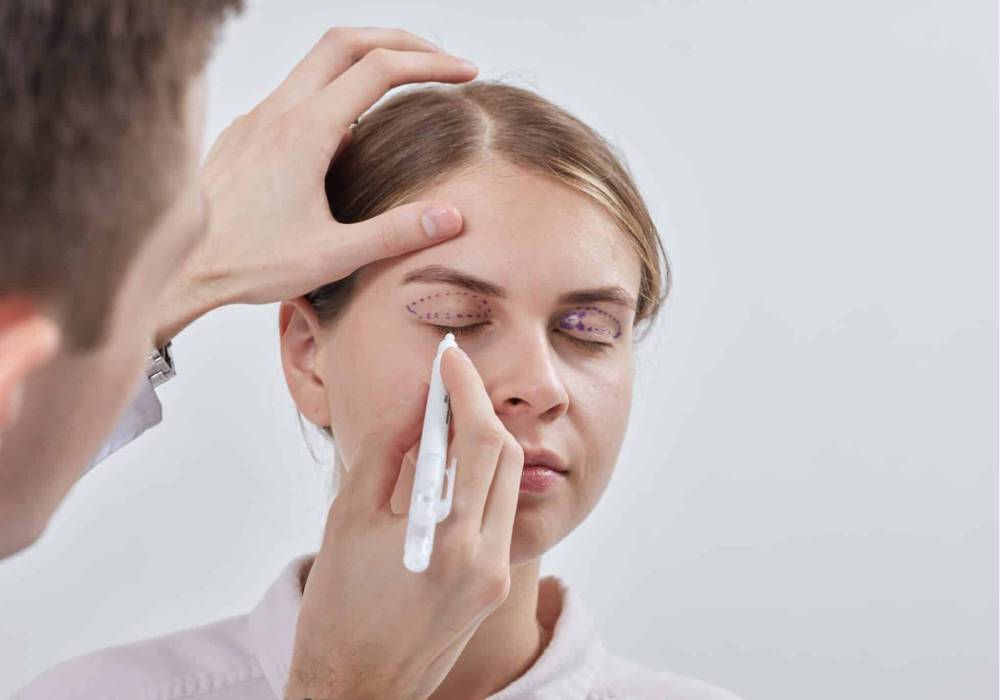
The Role of Blepharoplasty in Reducing Signs of Facial Fatigue
The eyes are one of the most important facial features when it comes to expressing freshness and emotions, and changes around them can make the face appear tired. Drooping eyelid skin, lines around the eyes, and fat accumulation in specific areas are among the factors that can affect the natural appearance of the gaze.
In cosmetic blepharoplasty, the physician corrects excess skin and tissue around the eyelids to help improve eye shape and reduce the appearance of facial fatigue. The procedure is performed according to the structure of the eyes and the individual characteristics of each patient so that the final result remains harmonious with the facial proportions. Improving the shape of the eyelids can make the eyes appear more open, create a fresher-looking gaze, and enhance harmony in the upper third of the face.
The Connection Between Blepharoplasty and Natural Facial Rejuvenation
Blepharoplasty is one of the effective methods for rejuvenating the area around the eyes and improving harmony among the facial features. Age-related changes such as loose eyelid skin, reduced tissue quality, and a tired appearance around the eyes can affect overall facial freshness. In some facial rejuvenation plans, methods such as Botox injections may also be considered alongside other aesthetic procedures to improve fine lines around the eyes and forehead.
During blepharoplasty, the physician carefully evaluates the shape of the eyes, eyelid structure, and facial characteristics before making the necessary corrections in a way that preserves the natural appearance of the face. The goal of this procedure is to achieve subtle and proportionate changes so that the eyes appear fresher and the upper third of the face has a more youthful and harmonious appearance.
What Is the Difference Between Upper and Lower Eyelid Blepharoplasty?
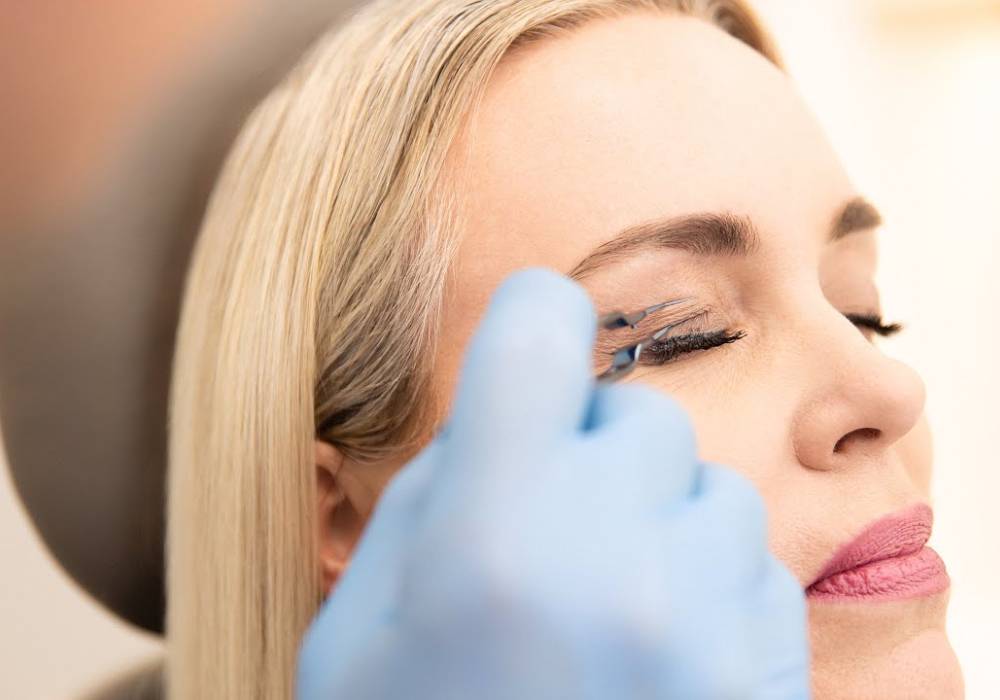
Upper and lower eyelid blepharoplasty have different objectives depending on the type of changes occurring around the eyes. Upper eyelid blepharoplasty is primarily performed to correct skin drooping, reduce eyelid heaviness, and improve the shape of the upper part of the eye, while lower eyelid blepharoplasty is generally used to correct under-eye puffiness, fat accumulation, or loose skin in this area.
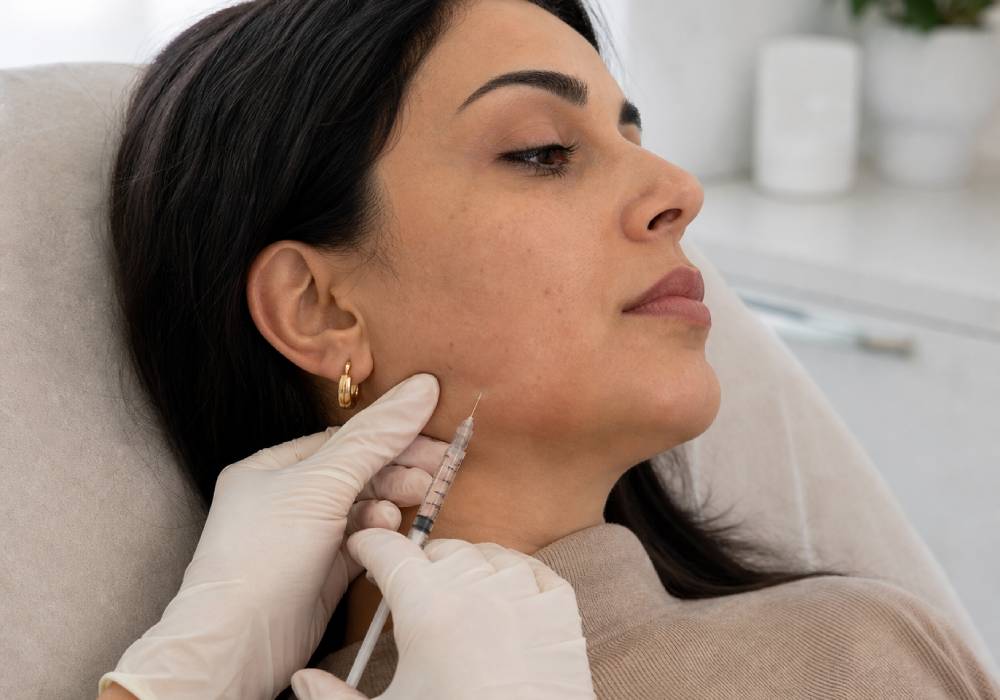
In some rejuvenation plans, complementary procedures such as facial fat injection may also be considered to address volume loss and create greater harmony among different areas of the face. The appropriate approach depends on the skin condition, eye structure, and individual needs of each person, and the physician determines the most suitable treatment plan after a thorough evaluation. Properly combining rejuvenation procedures can help maintain facial proportions and create a fresher appearance.
Factors Affecting the Results of Blepharoplasty
The results of blepharoplasty depend on various factors and are not limited to the surgical technique alone. Some of the important factors include:
- The physician’s experience and skill in understanding facial anatomy
- Careful evaluation of the skin and tissues around the eyes
- Selecting an appropriate method based on the individual’s needs
- Following post-surgical care instructions
- Considering the natural characteristics of the face
A preoperative consultation is highly important, as it allows the physician to assess the individual’s expectations and provide the necessary information about the achievable results.
Post-Blepharoplasty Care
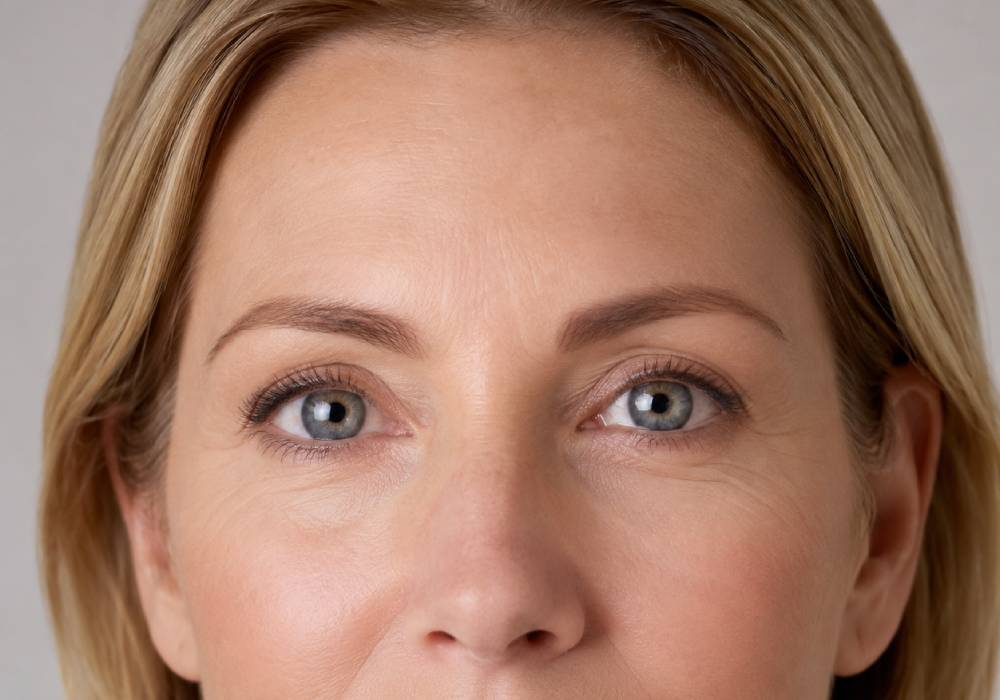
Following postoperative care instructions plays an important role in the recovery process. After blepharoplasty, patients are generally advised to avoid putting pressure on the eye area and to carefully follow their physician’s instructions.
Some important points after surgery include:
- Getting enough rest during the first few days after surgery
- Maintaining proper hygiene around the eyes
- Avoiding strenuous activities until advised by the physician
- Using medications or care products as recommended by the physician
- Attending follow-up appointments to monitor the recovery process
Following these recommendations can help make the recovery period more comfortable and contribute to achieving the desired results.
Choosing the Best Doctor for Blepharoplasty
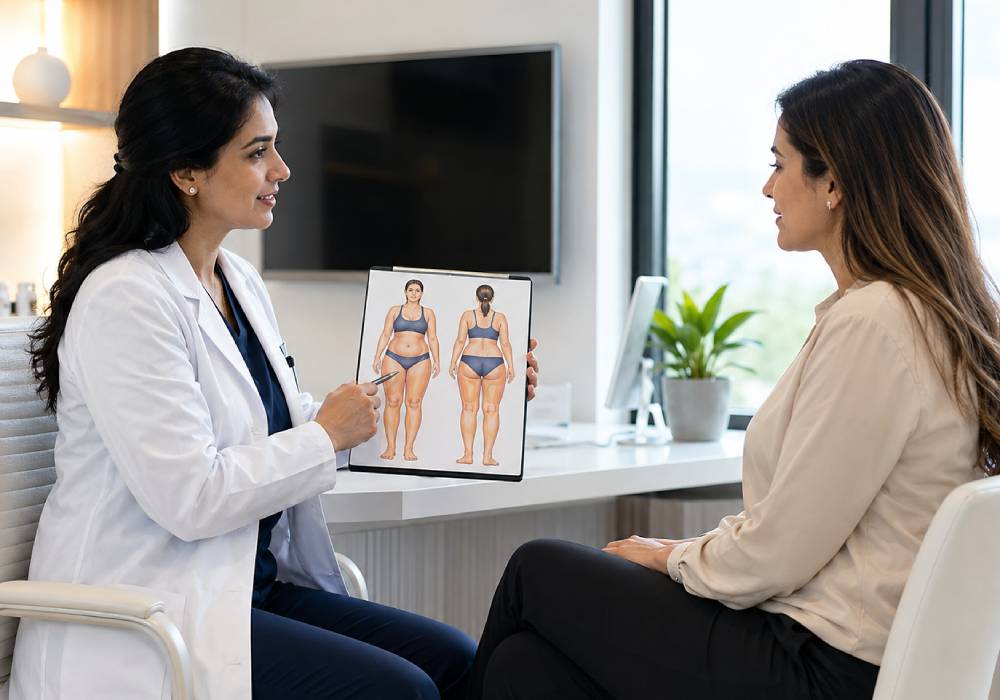
Choosing a specialist for blepharoplasty plays an important role in achieving natural results that are harmonious with the facial structure. This procedure requires a thorough understanding of eyelid anatomy, eyebrow position, eye shape, and tissue changes around the eyes, as even the smallest details in this area can affect the final appearance of the face. An experienced physician evaluates the degree of skin drooping, the condition of the upper and lower eyelids, and each individual’s circumstances to determine the appropriate technique while preserving the natural appearance of the eyes.
Reviewing credible before-and-after results, evaluating the physician’s experience, and having a consultation before surgery are important steps for making an informed decision. Dr. Karina Ghadimi Clinic offers specialized aesthetic services such as blepharoplasty, abdominoplasty, mommy makeover, double chin liposuction, mammoplasty, breast prosthesis, gynecomastia, and other aesthetic services, focusing on carefully evaluating patients’ conditions and using approaches tailored to each individual’s characteristics.
Conclusion
By focusing on correcting eyelid drooping, improving eye shape, and reducing signs of facial fatigue, blepharoplasty can have a significant impact on facial freshness and a more youthful appearance. Achieving desirable results requires corrections to be performed according to the anatomy of the eyes, facial characteristics, and individual needs.
Choosing a specialist and following postoperative care instructions also play an important role in maintaining a natural appearance and harmony among the facial features. Dr. Karina Ghadimi Clinic offers aesthetic services such as blepharoplasty, abdominoplasty, mammoplasty, breast prosthesis, gynecomastia, and other aesthetic surgeries, providing specialized rejuvenation services with a professional approach and attention to each patient’s individual characteristics to achieve natural results that are harmonious with the facial structure.
Read Also: