Visible ear deformities, such as excessive prominence, asymmetry, changes in the shape of the auricle, or problems resulting from congenital abnormalities and physical injuries, can affect the overall appearance of the face. In some individuals, these issues may lead to dissatisfaction with their facial appearance and reduced self-confidence. Otoplasty is a specialized ear surgery performed to correct the shape and position of the auricle and improve its proportion and harmony with the other facial features.
Advancements in surgical techniques in this field have made it possible to achieve more precise correction of the cartilage structure and a more natural-looking ear shape. The appropriate technique is selected based on the type of deformity, the structure of the ear, and each individual’s specific condition, with the aim of achieving a desirable and natural final result in terms of shape, symmetry, and harmony with the face.
Otoplasty: A Specialized Approach to Correcting Ear Shape and Appearance
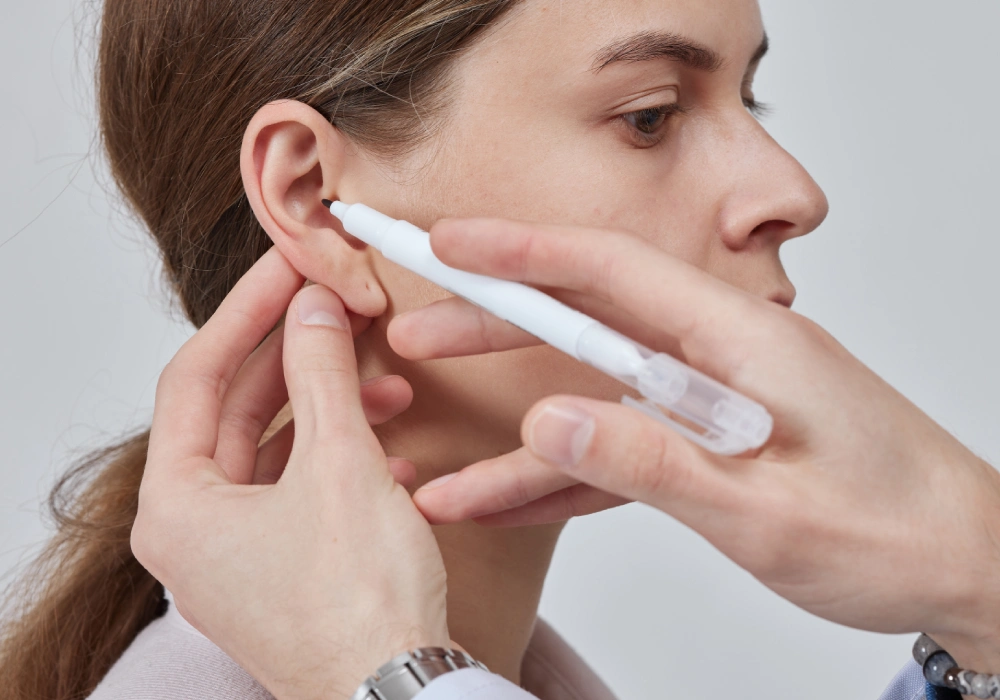
Otoplasty is a specialized procedure for correcting visible ear deformities and improving their harmony with the overall facial structure. Individuals with prominent ears, excessive distance between the auricle and the head, asymmetry between the two ears, or an irregular cartilage shape may be candidates for this procedure following a specialized evaluation. During ear otoplasty surgery, the cartilage structure, degree of prominence, and shape of the auricle are carefully assessed, and the surgical technique is selected according to each individual’s specific condition.
Depending on the type of deformity, cartilage reshaping, correction of the natural folds of the auricle, and repositioning the ear in relation to the head may be performed during the surgery. The goal of this procedure is to achieve ears with a natural shape that is proportionate to the face. Therefore, the extent of correction should be determined according to the individual’s anatomical characteristics without creating an unnatural appearance. A thorough preoperative assessment, choosing an experienced surgeon, and following postoperative care instructions are also important for the healing process and maintaining the final results.
Visible Ear Deformities and Their Impact on Facial Proportion
The shape and position of the ears are among the factors that contribute to overall facial harmony, and any structural abnormality may affect the appearance of the face from the side. Prominent ears, excessive distance between the auricle and the head, asymmetry between the two ears, and disproportionate shapes of different parts of the auricle are among the most common visible concerns that may draw excessive attention to this area. In such cases, the proportion of the ears in relation to the size and shape of other facial features is highly important, and correction should be performed based on each individual’s unique characteristics.
By correcting the position and shape of the auricle, otoplasty can improve harmony between the ears and the overall facial structure. A detailed assessment of the ear anatomy and its proportion in relation to the face before surgery helps the surgeon determine the appropriate extent of correction more precisely and achieve a natural result that complements the individual’s facial features.
The Most Common Visible Ear Problems Corrected with Otoplasty
Visible ear deformities can vary widely and, depending on the type and severity of the condition, may be corrected using different otoplasty techniques.
Correcting Prominent Ears with Advanced Otoplasty Techniques
Prominent ears are usually caused by the shape of the cartilage or an excessive distance between the auricle and the head, which can affect the balance of the side profile of the face. During otoplasty, the cartilage is reshaped and the position of the auricle is adjusted to reduce the prominence of the ears and achieve a more natural shape that is better proportioned to the face.
Improving Ear Asymmetry with Corrective Ear Surgery
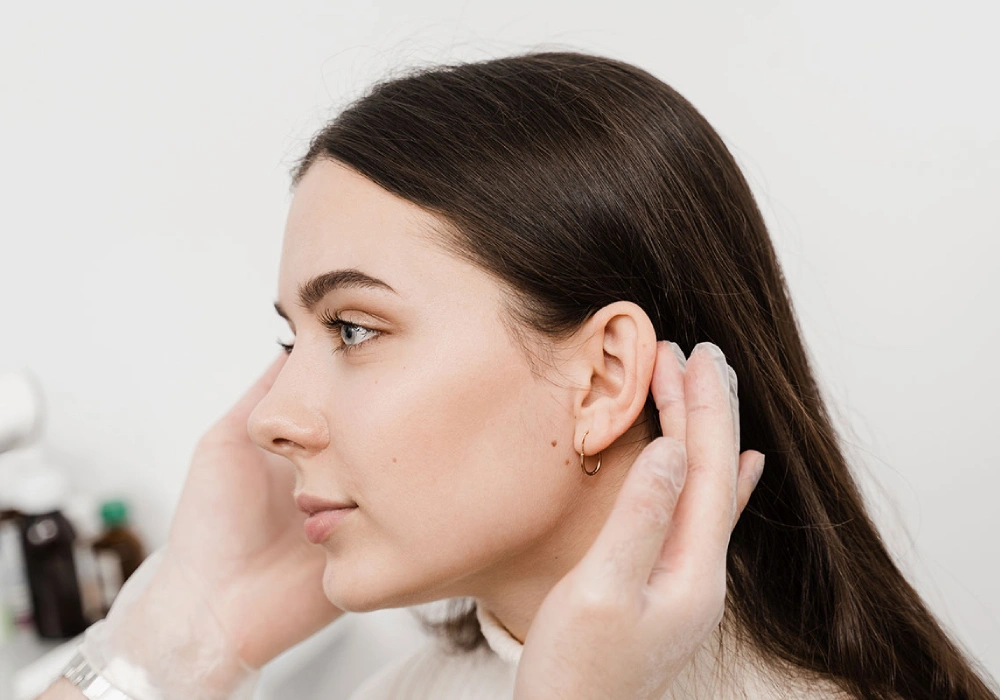
Differences in the size, shape, or position of the ears may make asymmetry more noticeable. During corrective surgery, the structure of each ear is assessed separately, and the necessary corrections are performed according to the characteristics of each ear to achieve greater harmony between them.
Reconstructing Ear Shape in Congenital Deformities
Some individuals are born with abnormalities affecting the shape or development of the auricle. The severity of these conditions can vary, and the treatment approach is determined based on the type of deformity and the condition of the cartilage. Reconstructive and restorative techniques can help improve the shape of the ear and bring it closer to a natural anatomical structure.
Correcting Visible Ear Changes After Injury or Trauma
Severe impacts, accidents, or sports-related injuries may damage the cartilage or other parts of the auricle and alter its natural shape. Reconstructive ear surgery is performed based on the type and extent of the injury to restore damaged areas and improve the appearance of the auricle, with the goal of achieving a shape that is as natural and harmonious with the face as possible.
Otoplasty Techniques Based on Each Individual’s Ear Structure
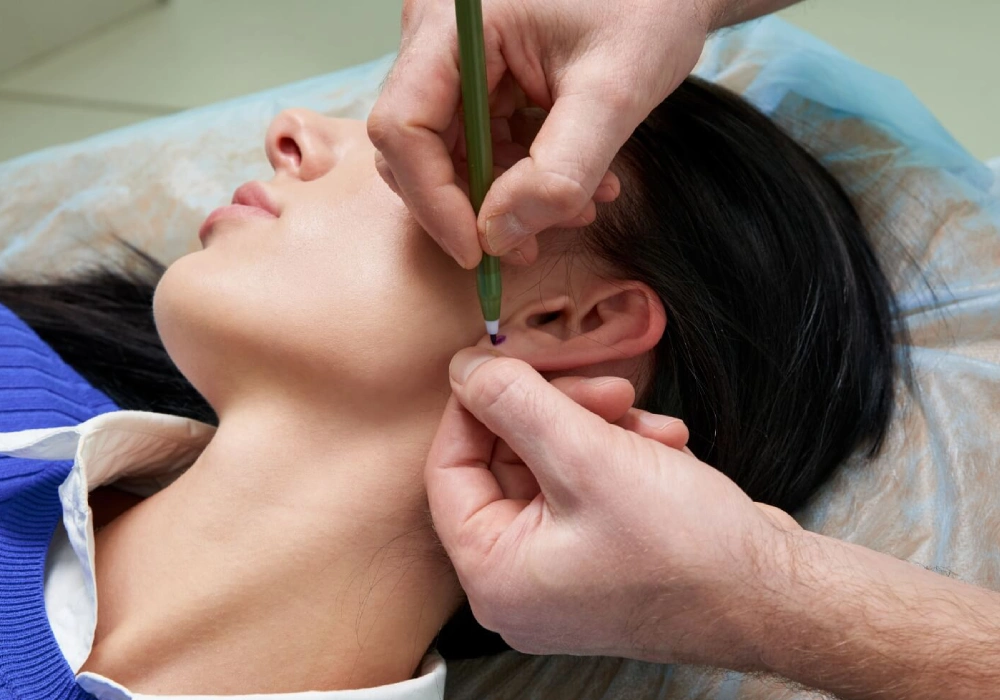
Visible ear deformities can take various forms and may require different surgical approaches depending on their type and severity. Excessive prominence of the auricle, an increased distance between the ear and the head, asymmetry between the two ears, changes in cartilage shape, and certain congenital deformities are among the conditions that may affect the appearance of the ears and their harmony with the face.
In some individuals, injuries resulting from trauma or accidents may also alter the natural structure of the auricle and require reconstructive surgery. Otoplasty focuses on correcting the shape and position of the ear, and the procedure is planned for each of these conditions according to the individual’s specific needs and ear structure.
This procedure differs from facelift and neck lift surgery, as facelift and neck lift procedures are primarily performed to address sagging and laxity of the facial and neck tissues, whereas otoplasty directly targets the structure and shape of the ears. A thorough preoperative assessment and selection of a technique appropriate for the type of deformity play an important role in achieving a natural ear shape and greater harmony between the ears and the face.
The Benefits of Otoplasty in Improving Ear Shape and Facial Proportion
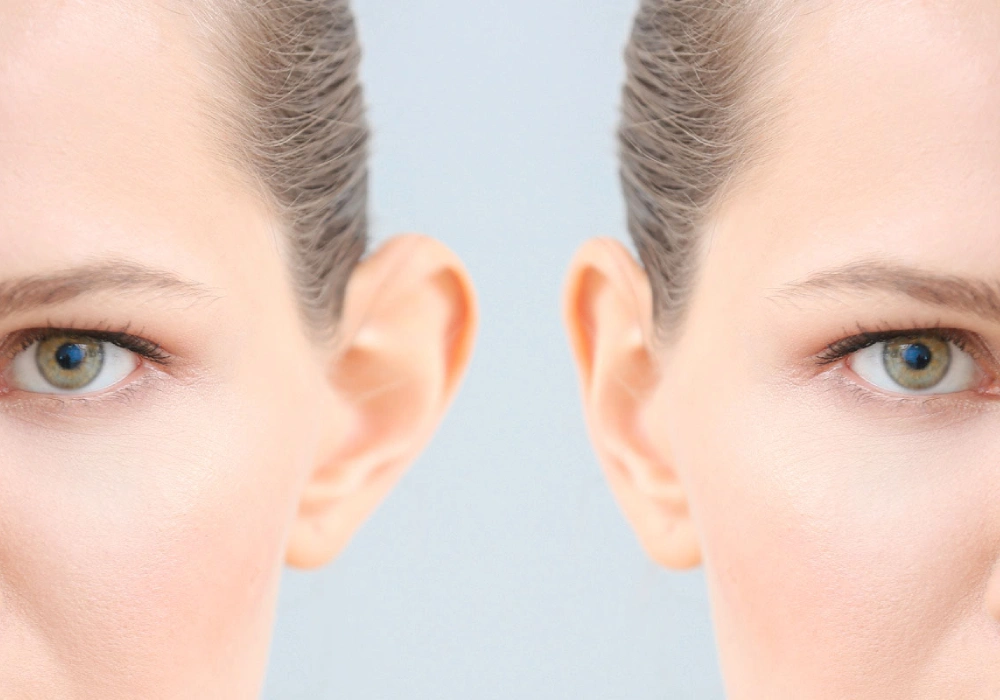
Visible ear deformities can take different forms and vary in severity and the specific areas affected from one person to another. In some individuals, an unusual ear shape is present from childhood, while in others, physical injuries or structural changes that occur throughout life may alter the appearance of the ears. These issues can affect the proportion of the ears in relation to the face and may cause individuals to feel less satisfied with their appearance from the front or side profile.
Depending on the type of deformity, otoplasty allows different parts of the auricle to be corrected and the overall ear shape to be improved. Before treatment, the condition of the ears, the characteristics of the cartilage, and their proportion in relation to the facial structure are carefully assessed so that the surgical approach can be planned according to each individual’s needs. Paying close attention to anatomical details at this stage is highly important, as the goal of ear correction is not simply to change its appearance but also to preserve a natural shape and achieve harmonious proportions between the ears and the other facial features.
Suitable Candidates for Otoplasty and Requirements for the Procedure
Otoplasty is performed for individuals who are dissatisfied with the shape or position of their ears and wish to improve their appearance. Prominent ears, excessive distance between the auricle and the head, asymmetry, and certain congenital deformities are among the conditions that may lead an individual to consider this surgery. Age, ear development, and overall health are also evaluated before surgery; particularly in children, sufficient development of the ear structure is an important consideration.
Individuals considering otoplasty should generally be in good overall health and have realistic expectations about the surgical outcome. Understanding the procedure, the recovery period, and the importance of following postoperative care instructions is also essential. During the consultation, the surgeon carefully evaluates the shape of the ears, the condition of the cartilage, and the extent of the deformity, then determines whether the individual is a suitable candidate for surgery and which corrective technique is most appropriate.

Important Preparations Before Otoplasty Surgery
Proper preparation before otoplasty plays an important role in reducing the risk of complications and supporting a smooth recovery. Before surgery, the surgeon reviews the individual’s overall health, medical history, medication allergies, and any medications or supplements being taken. Any underlying medical conditions or previous surgeries should be disclosed to the surgeon so that the individual’s condition can be fully assessed.
If the individual takes medications that affect blood clotting, any decision to stop or continue them should be made only under the surgeon’s guidance. Avoiding smoking and tobacco products before surgery is also important, as nicotine can affect blood circulation and tissue healing. It is advisable to arrange sufficient time for rest after surgery and to have someone available to accompany the patient home. Following the surgeon’s instructions carefully and preparing appropriate conditions for the day of surgery can help support a smoother initial recovery period after otoplasty.
Postoperative Care After Otoplasty to Maintain the Surgical Results
Postoperative care is an important part of the recovery process, and following the recommended instructions helps protect the newly corrected ear shape during the first few weeks. During this period, the ears should be protected from pressure, impact, and excessive pulling, while any prescribed dressing or headband should be used as directed by the surgeon. When sleeping, it is generally advisable to lie on the back to prevent direct contact between the ears and the pillow.
Keeping the surgical area clean and taking prescribed medications regularly can help reduce the risk of infection and manage postoperative discomfort. Physical activities, particularly contact sports, should be postponed until the surgeon confirms that it is safe to resume them. Touching or manipulating the stitches, scratching the ears, or placing pressure on the surgical area may also interfere with the healing process. Regular follow-up appointments are important as well, allowing the surgeon to monitor the condition of the ears and provide additional recommendations when necessary.

The Longevity of Otoplasty Results and Factors Affecting Surgical Success
Otoplasty results are long-lasting for many individuals, and once the healing process is complete, the corrected ear shape can remain stable for many years. The durability of the results depends on factors such as the type of deformity, the condition of the cartilage, the surgical technique used, and the surgeon’s experience. In ear otoplasty surgery, selecting a technique that is appropriate for the individual’s ear structure is particularly important, as the way the cartilage is reshaped and the new ear position is secured can affect the stability of the results.
Postoperative care is also important in this regard. Protecting the ears from impact and pressure, wearing a headband as recommended by the surgeon, and avoiding high-risk activities during the first few weeks can help maintain the corrected ear shape. In addition, following medical instructions and attending scheduled follow-up appointments allow the healing process to be monitored. Overall, a thorough preoperative assessment, selecting a surgical technique suited to the individual’s condition, and following postoperative care instructions are important factors in achieving natural-looking and long-lasting results.
The Role of Choosing a Specialist Surgeon in Achieving Natural-Looking Otoplasty Results
Choosing a qualified and experienced surgeon is an important factor in achieving natural-looking and proportionate results after otoplasty. Each person’s ear has unique structural characteristics, and correcting its appearance requires careful assessment of the cartilage, degree of prominence, symmetry between the ears, and the proportion of the ears in relation to the facial features. An experienced surgeon evaluates these details and selects an appropriate technique based on the individual’s specific condition, with the goal of correcting the deformity while preserving a natural ear shape.
Dr. Karina Ghadimi Clinic, in addition to providing cosmetic ear surgery services, also offers specialized procedures in the field of breast and body aesthetic surgery, including a mommy makeover, mastopexy, and silicone breast implants. This range of services allows individuals seeking specialized evaluation for ear reshaping or other cosmetic procedures to receive consultation and a detailed assessment. Reviewing the surgeon’s experience, examining authentic before-and-after results, and discussing the expected outcome in detail are also important steps that can help individuals make a more informed decision when choosing a surgeon.

Conclusion
Otoplasty is a specialized procedure for correcting visible ear deformities and improving their harmony with the overall facial structure. A detailed assessment of the ear anatomy, choosing a qualified surgeon, and following proper preoperative and postoperative care instructions all play an important role in achieving natural-looking and long-lasting results. Individuals considering this procedure are advised to discuss their ear structure, concerns, and expectations with a surgeon during a consultation before making a final decision.
Dr. Karina Ghadimi Clinic also offers cosmetic breast and body procedures in addition to cosmetic ear surgery, including a mommy makeover, mastopexy, and silicone breast implants. Individuals can consult with the clinic to have their condition evaluated and receive specialized advice regarding their cosmetic surgery needs.
Read Also: