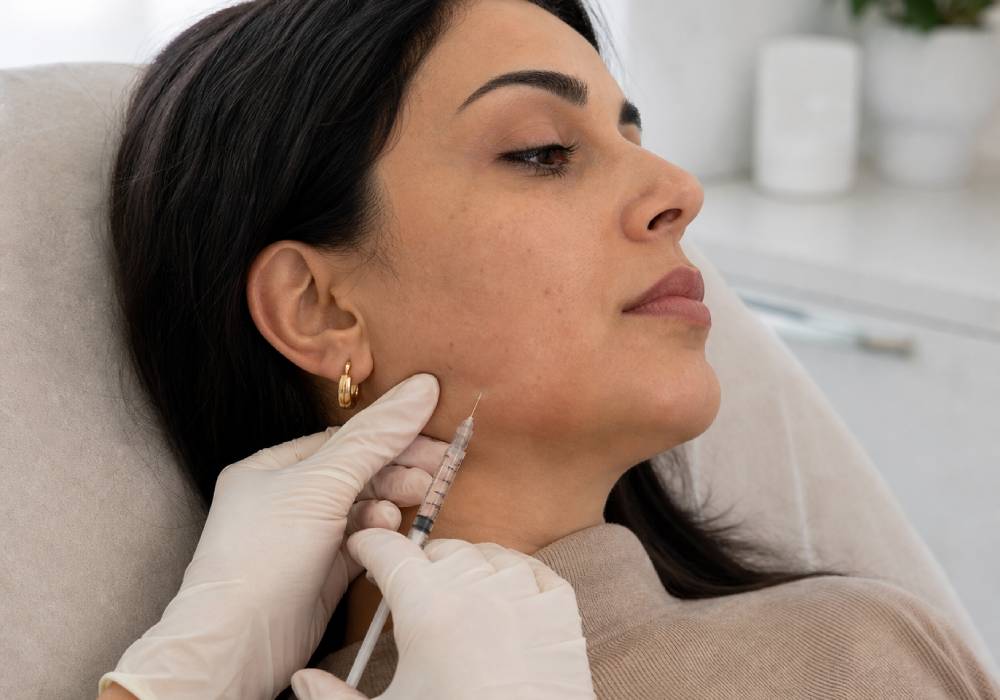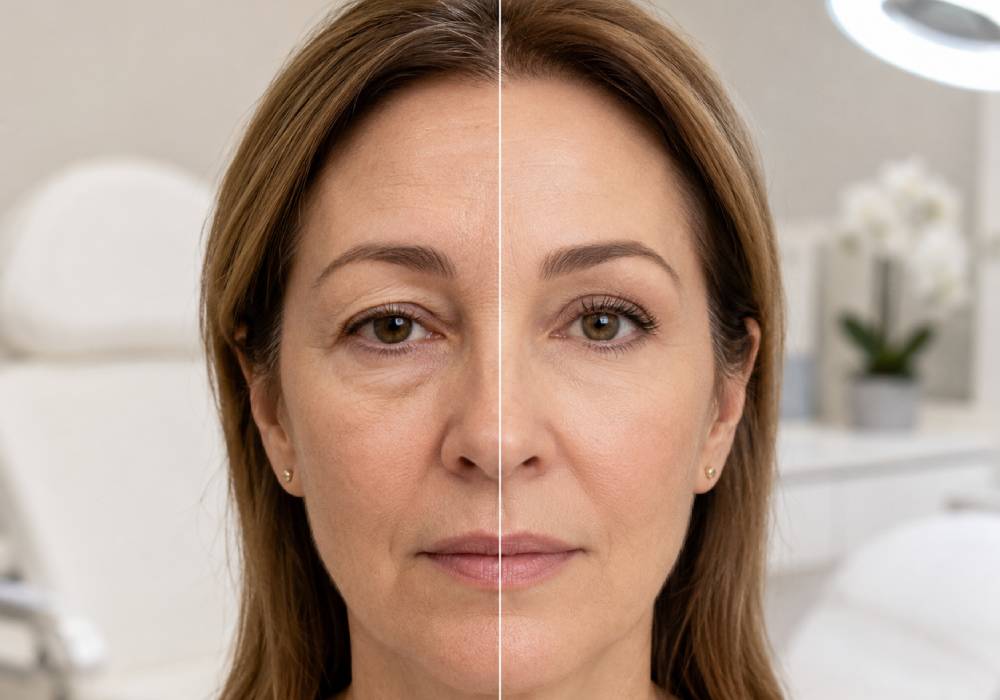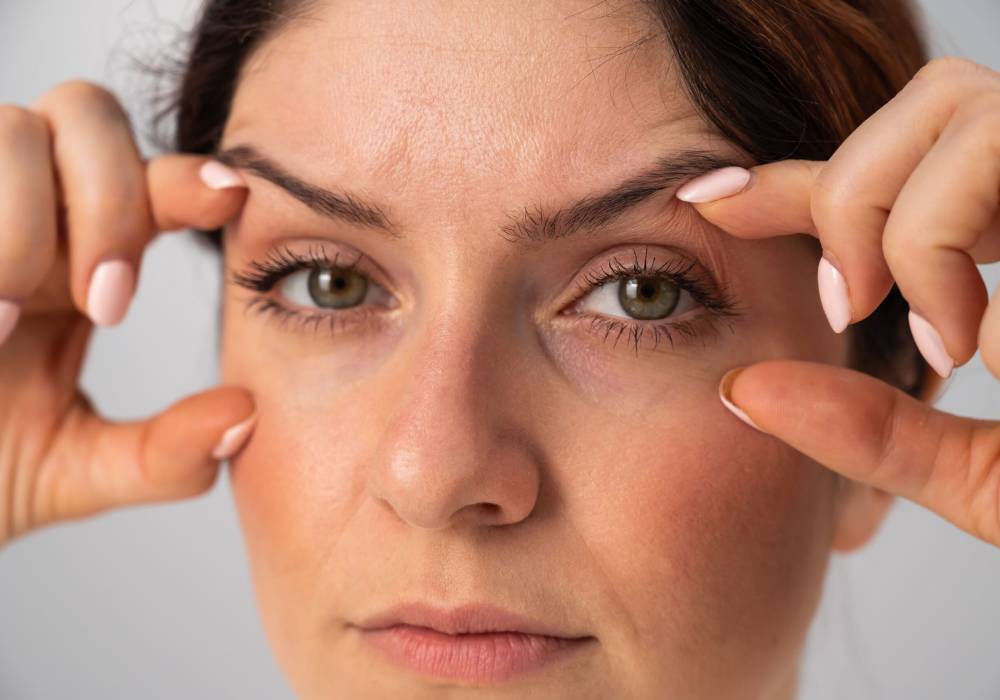
Botox is one of the most popular treatments for reducing forehead lines and wrinkles around the eyes. By temporarily reducing muscle activity, it can help the face appear younger and more refreshed. However, some people may experience temporary eyelid drooping or a feeling of heaviness around the eyes after the treatment. This can affect how widely the eyes open and may alter the natural appearance of the gaze.
The injection site and dosage, the spread of Botox to nearby muscles, and individual anatomical and muscular differences can all contribute to this side effect. Understanding the causes of eyelid drooping after Botox, as well as learning about prevention and management strategies, can help individuals make more informed decisions about this cosmetic treatment and follow the recovery process more effectively if the complication occurs.
Causes of Eyelid Drooping After Botox
Eyelid drooping after Botox may be related to the injection site, the amount of Botox used, and how the product spreads through the muscles around the eyes.

Spread of Botox to the Muscles Around the Eyes
During Botox treatment, if the product spreads beyond the intended injection site and reaches nearby muscles around the eyes, it may temporarily reduce their activity. If Botox affects muscles that help support and elevate the upper eyelid, the risk of eyelid drooping or a heavy sensation in the eyelid may increase.
The Effect of Injection Site and Depth on Eyelid Drooping
Choosing the correct injection site and maintaining an appropriate injection depth are important for reducing the risk of Botox spreading to sensitive structures around the eyes. Selecting injection points based on the individual’s facial anatomy can help maintain the natural movement and balance of the eyelids and eyebrows while reducing the likelihood of drooping.
The Role of Botox Dosage in Side Effects
The amount of Botox used should be determined according to muscle strength, the treatment area, and the individual’s specific needs. Using more Botox than necessary may excessively reduce muscle activity and increase the risk of side effects such as eyelid heaviness or changes in eyebrow shape.
Individual Sensitivity and Anatomical Differences
People do not respond to Botox in exactly the same way. Differences in muscle structure, eyelid and eyebrow shape, and facial movement patterns can all affect the treatment outcome. Carefully evaluating these characteristics before treatment allows the physician to develop a personalized injection plan and reduce the risk of unwanted side effects.
The Difference Between Eyelid Drooping and Eyebrow Drooping After Botox
Although eyelid drooping and eyebrow drooping after Botox may appear similar, they differ in terms of their location, underlying cause, and effect on the appearance of the eyes.
Visual Features of True Eyelid Drooping
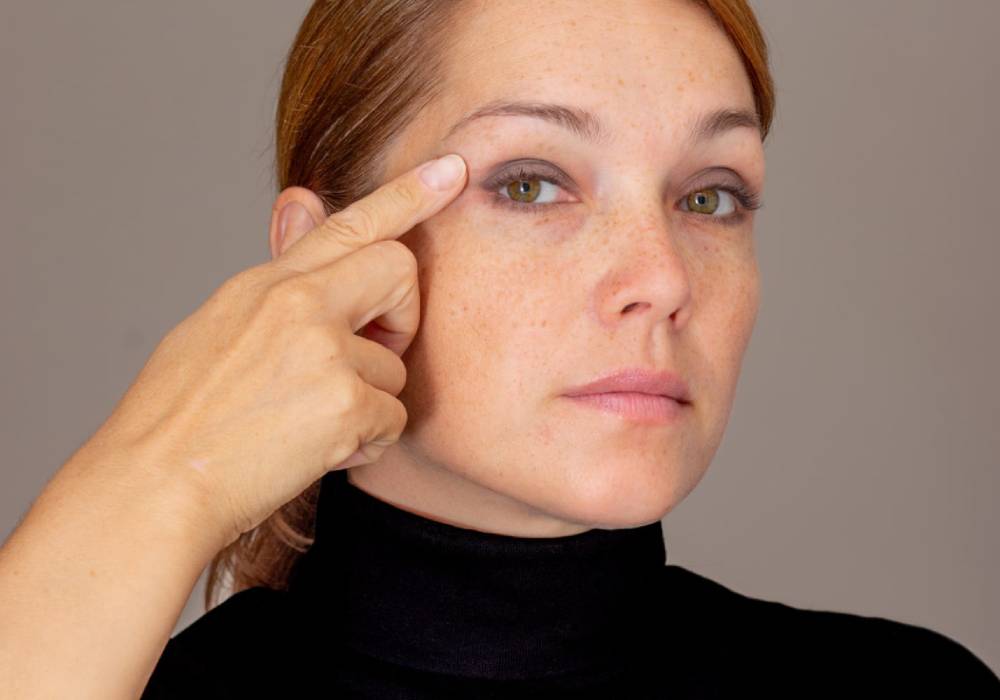
With true upper eyelid drooping, the edge of the upper eyelid sits lower than its normal position and may partially cover the iris or pupil. As a result, the eyes may appear less open, giving the face a tired or sleepy appearance.
Signs of Eyebrow Drooping and Forehead Heaviness
Eyebrow drooping involves a lower eyebrow position and a reduced distance between the eyebrow and upper eyelid, which may make the skin above the eyes appear heavier. In some cases, changes in soft-tissue volume around the eyes can also affect the appearance of this area. Depending on the physician’s assessment, treatments such as bio-filler injections may be considered for correcting volume loss in suitable areas.
The Importance of Correctly Identifying the Cause of Changes in Eye Appearance
Changes in the appearance of the eyes after Botox do not always indicate true eyelid drooping. In some cases, a lowered eyebrow position can create a similar appearance. A careful assessment of the eyelid and eyebrow position, along with muscle activity, helps the physician identify the underlying cause and determine the most appropriate approach for managing the condition.
The Effect of Eyelid Drooping on Facial Appearance and Expression
Eyelid drooping after Botox can affect the overall appearance of the face by reducing eye opening, altering eyebrow position, and creating a tired or heavy look.
Reduced Eye Opening and Changes in the Appearance of the Gaze
Upper eyelid drooping can partially cover the visible surface of the eye and make the eyes appear less open. As a result, the appearance of the gaze may change, making the eyes look smaller, heavier, or less expressive.
A Tired and Fatigued Facial Appearance
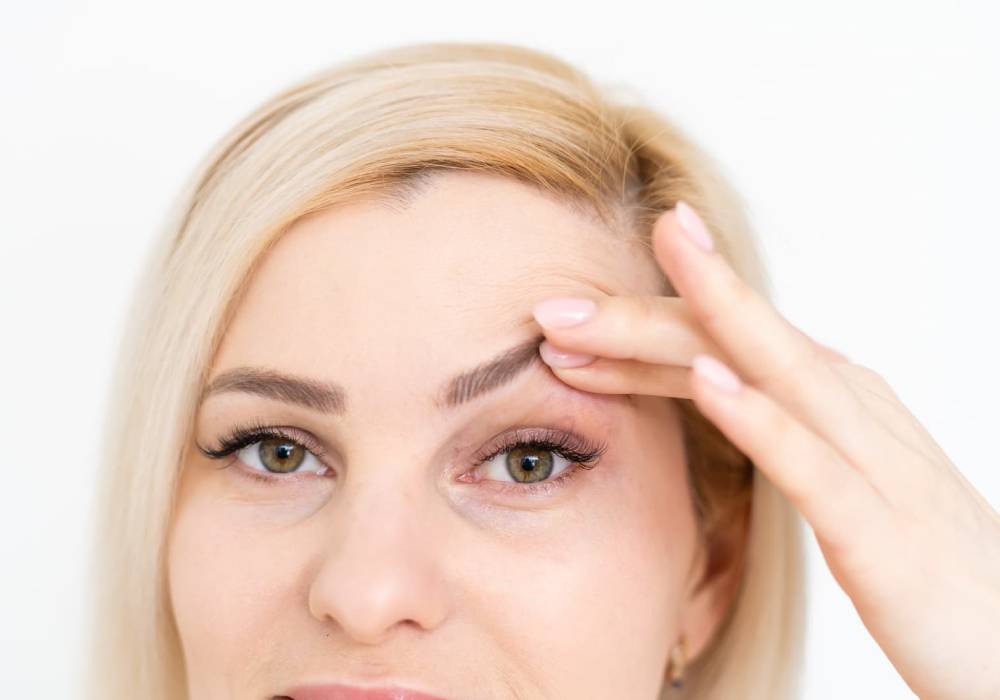
A lowered upper eyelid can affect the natural, refreshed appearance of the eyes and make the face look more tired than usual. When combined with drooping in other areas of the face, this change may also affect overall facial appearance. For this reason, when evaluating treatments such as a face and neck lift, assessing the condition of the eyelids and the area around the eyes is also important.
Changes in Eye Symmetry and Overall Facial Proportion
If eyelid drooping is more pronounced on one side of the face, the difference between the two eyelids becomes more noticeable. This asymmetry can affect the visual balance of the eyes and reduce harmony between the eyes, eyebrows, and other facial features.
When Does Eyelid Drooping Begin and How Long Does It Last After Botox?
The onset and duration of eyelid drooping after Botox can vary depending on factors such as the injection site, the spread of the product, and each individual’s response to treatment.
When Symptoms Appear After the Injection
Eyelid drooping typically becomes noticeable a few days after Botox treatment and may be accompanied by a feeling of eyelid heaviness or reduced eye opening. Identifying when the symptoms first appear can help the physician assess whether they are related to the treatment and determine how Botox may be affecting the muscles around the eyes.
Recovery and the Gradual Return of Muscle Function
In most cases, eyelid drooping caused by Botox is temporary, and muscle activity gradually returns as the effects of the treatment wear off. If the drooping is related to the structure of the eyelid rather than the temporary effects of Botox, the physician may consider other options, such as cosmetic blepharoplasty, based on the individual’s condition.

Factors That Affect the Duration of the Side Effect
The duration of eyelid drooping is not the same for everyone. It may depend on the amount of Botox used, the injection site, the spread of the product, and the strength of the muscles around the eyes. Individual anatomical differences and the body’s response to Botox can also influence how long the symptoms remain and when normal muscle function returns.
Factors That May Increase the Risk of Eyelid Drooping After Botox
Several factors may increase the likelihood of eyelid drooping after Botox, making it important to identify potential risk factors before treatment. An inappropriate injection site, placing the injection too close to sensitive muscles around the eyes, incorrect injection depth, or using a higher dose than necessary may increase the risk of the product spreading to nearby areas.
Individual anatomical characteristics, the strength of the forehead muscles, and a history of cosmetic procedures such as fat injections around the eyes may also affect the structure and balance of the tissues in this area. A careful assessment of the eyelids and eyebrows, along with selecting the appropriate injection site and dosage for each individual, can help reduce the risk of drooping and maintain natural facial balance.
The Role of Injection Technique in Preventing Eyelid Drooping
Proper injection technique plays an important role in reducing the risk of eyelid drooping after Botox. Carefully selecting the injection points, maintaining an appropriate distance from sensitive muscles around the eyes, and controlling the depth and amount of the product can reduce the risk of unintended spread to nearby muscles.
By carefully assessing facial anatomy, the strength of the forehead and eye-area muscles, and each individual’s facial movement patterns, the physician can determine the appropriate injection sites and dosage. Evaluating the position of the eyebrows and eyelids before treatment can also help identify individuals who may have a higher risk of developing eyelid drooping.
Following proper injection principles and using an appropriate technique, combined with the physician’s experience and expertise, can help maintain muscle balance and reduce the risk of unwanted changes in eyelid and eyebrow position.
The Role of a Specialist in Maintaining a Natural Eye Appearance
A physician’s expertise and experience play an important role in maintaining the natural appearance of the eyes after Botox and achieving a refined result. Dr. Karina Ghadimi carefully evaluates e ach individual’s facial anatomy, eyelid and eyebrow position, the strength of the forehead and eye-area muscles, and facial movement patterns before treatment to determine the appropriate Botox injection sites and dosage.
This personalized approach helps maintain muscle balance, the natural shape of the eyebrows, and a balanced appearance around the eyes while reducing the likelihood of side effects such as eyelid drooping or eyebrow heaviness. In addition to aesthetic and rejuvenation treatments, Dr. Karina Ghadimi offers cosmetic surgical procedures, including breast reduction, abdominoplasty, breast implants, gynecomastia surgery, and other procedures tailored to patients’ individual needs. In all of these treatments, careful evaluation and attention to balanced, natural-looking results are important parts of the treatment approach.
Conclusion
Overall, Botox can help reduce forehead lines and wrinkles around the eyes by temporarily decreasing muscle activity, contributing to a fresher and more youthful facial appearance. However, achieving a natural and balanced result depends on careful assessment of each individual and the proper execution of the treatment.
Factors such as the injection site and dosage, injection technique, spread of the product to nearby muscles, and individual anatomical differences may contribute to temporary eyelid drooping or eyebrow heaviness. Choosing an experienced specialist, assessing the eyelids and eyebrows before treatment, and carefully selecting the appropriate injection points can help reduce the risk of this side effect and maintain a natural eye appearance.
If eyelid drooping occurs, identifying the underlying cause and monitoring the recovery process are important. In many cases, as the effects of Botox gradually wear off, normal muscle function also returns over time.
Also Read: