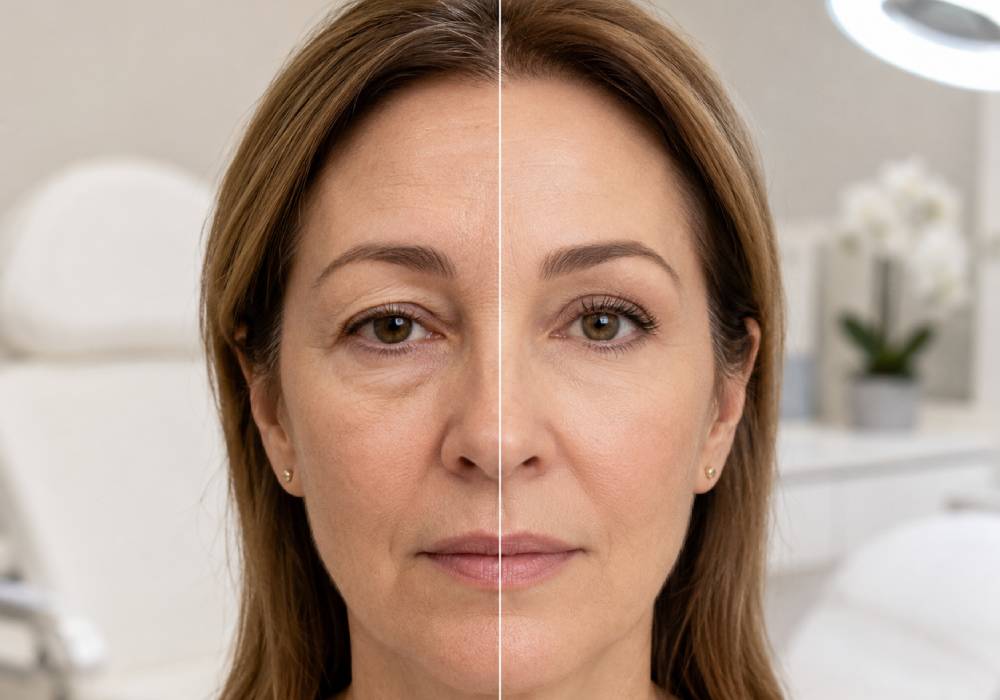
Botox is one of the most widely used skin rejuvenation treatments, helping reduce wrinkles caused by repetitive facial movements by temporarily decreasing the activity of facial muscles. Despite its popularity, the results of Botox injections are not the same across all areas of the face. Each region responds differently depending on its muscle structure, skin thickness, degree of movement, and treatment goals.
For this reason, the longevity of the results, the level of effectiveness, and even the injection technique may vary between the forehead, frown lines, around the eyes, lips, and jawline. Understanding these differences helps individuals develop more realistic expectations about Botox outcomes and make informed decisions before undergoing treatment.
How Does Botox Affect Facial Muscles?
Botox works by temporarily blocking the transmission of nerve signals at the junction between nerves and muscles. As a result, excessive muscle contractions are reduced, allowing the overlying skin to move less. This helps soften wrinkles caused by repeated facial expressions such as frowning, smiling, or raising the eyebrows.
This treatment is most effective for dynamic wrinkles that develop due to repetitive muscle movement, including forehead lines, glabellar (frown) lines, and crow’s feet around the eyes. Since muscle strength and activity vary across different areas of the face, the way Botox works, the required dosage, and the duration of its effects also differ from one region to another. Therefore, Botox injections should always be performed by a qualified physician who considers each patient’s facial anatomy to achieve natural-looking results while preserving normal facial expressions.

Factors That Influence the Different Effects of Botox in Various Facial Areas
Although the same botulinum toxin is used throughout the face, Botox produces different results in different areas. This variation is mainly due to facial anatomy. Each facial muscle differs in size, strength, and level of activity, while the skin in each region also varies in thickness, elasticity, and wrinkle severity.
For example, the muscles between the eyebrows are generally stronger and more active, making Botox highly effective for reducing frown lines. In contrast, areas such as the lips and neck require greater precision because preserving natural muscle movement is particularly important. In these regions, injections must be administered carefully using the appropriate dosage.
Other factors, including age, skin quality, wrinkle depth, previous Botox treatments, metabolic rate, and lifestyle, can also influence how quickly results become noticeable, how long they last, and the overall effectiveness of the treatment. Therefore, every treatment plan should be customized according to the patient’s facial characteristics to reduce wrinkles while maintaining natural facial movement and expression.
Differences in the Effectiveness of Botox Injections in Different Areas of the Face
Each area of the face has its own unique muscular structure and skin characteristics. As a result, Botox is used for different purposes in different regions, and the treatment outcome, longevity, and injection technique may vary accordingly.
Botox for the Forehead and Horizontal Forehead Lines
The forehead is one of the most active areas of the face. Continuous muscle movement caused by raising the eyebrows, expressing surprise, and making various facial expressions makes it particularly prone to developing horizontal forehead lines. Botox reduces muscle contractions in this area, limiting excessive skin movement and helping minimize the appearance of these lines. The effectiveness of treatment depends on factors such as muscle strength, wrinkle depth, skin condition, and injection technique.
For individuals with deeper forehead lines, a physician may recommend combining Botox with procedures such as dermal filler injections to improve skin quality and further soften prominent lines. The amount of Botox used and the injection sites should always be determined according to each patient’s facial anatomy to reduce wrinkles while preserving natural eyebrow movement and facial expressions.
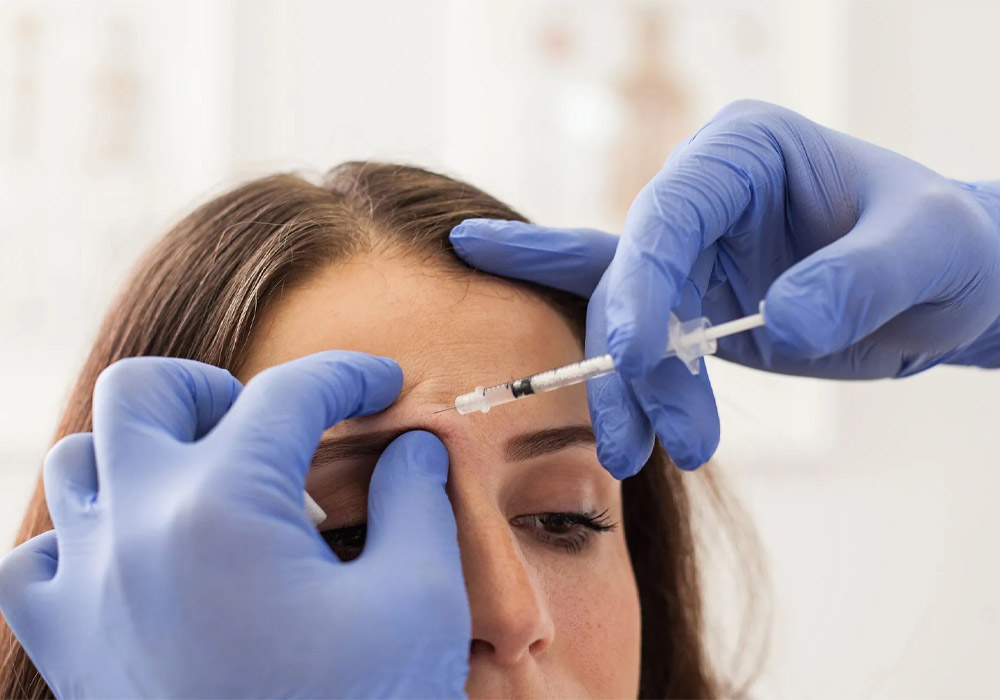
The Effect of Botox on Glabellar (Frown) Lines
Glabellar lines, commonly known as frown lines, usually develop due to repeated muscle activity during frowning, concentrating, or making various facial expressions. Over time, these lines may remain visible even when the face is at rest. Botox reduces excessive muscle movement in this area, helping soften the vertical lines between the eyebrows and giving the face a more relaxed appearance.
Because the muscles in this region are relatively strong, they generally respond well to Botox treatment. However, the amount of product used and the precise injection points should be tailored to each individual’s facial structure. In cases where the frown lines are particularly deep, physicians may combine Botox with dermal filler injections to improve skin texture and further reduce the visibility of the lines. When performed correctly, the treatment preserves the natural position of the eyebrows and allows the face to maintain normal emotional expressions.
Botox for Crow’s Feet Around the Eyes
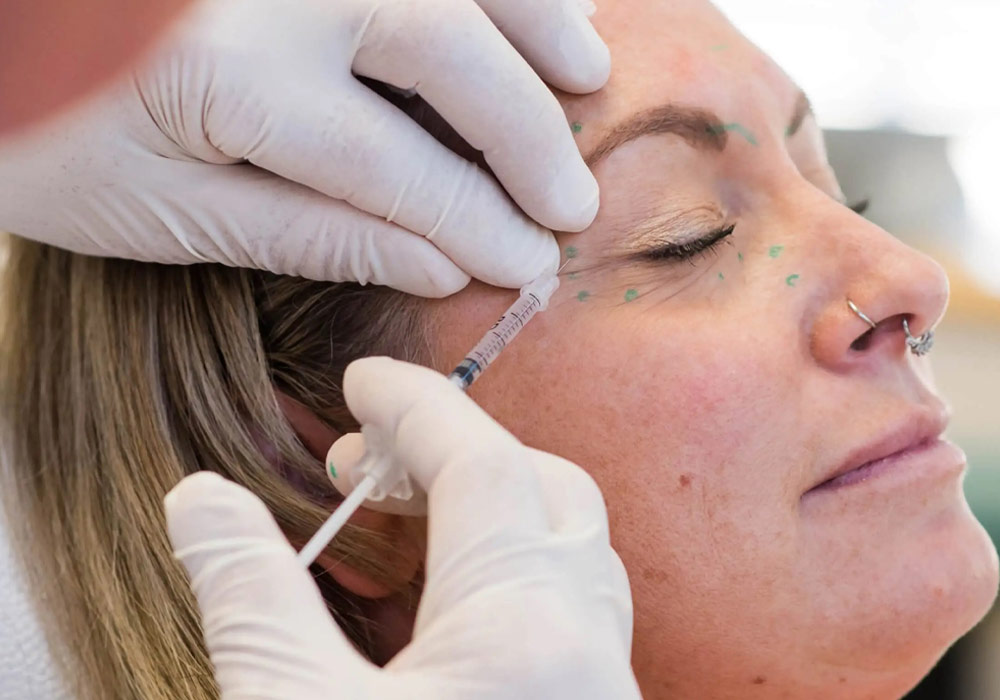
Crow’s feet are fine lines that develop at the outer corners of the eyes and become more noticeable when smiling, squinting, or making facial expressions. Because the skin around the eyes is thin and delicate, it is more sensitive to repeated muscle movement, making this one of the first areas where wrinkles become visible.
Botox works by reducing the activity of the orbicularis oculi muscle, decreasing excessive movement and creating a smoother appearance around the eyes. Treatment outcomes depend on factors such as wrinkle depth, muscle strength, and skin condition. Since the eye area plays a major role in natural facial expression, injections must be performed with precision to soften wrinkles while preserving a natural smile and normal facial movement.
The Effect of Botox Injections Around the Lips and Smile Enhancement
The area around the lips is one of the most delicate parts of the face. Continuous muscle movement during speaking, smiling, and making facial expressions can lead to the development of fine lines. Botox helps reduce the activity of specific muscles in this area, minimizing vertical lip lines and controlling excessive muscle movement.
Another common application of Botox is the correction of a gummy smile. In such cases, Botox relaxes the muscles responsible for lifting the upper lip, reducing the amount of gum tissue exposed when smiling. Since the muscles surrounding the lips play a vital role in speaking, smiling, and maintaining natural facial expressions, both the amount of Botox used and the injection sites must be carefully determined to achieve a balance between wrinkle reduction and preserving natural facial movement.
Botox for the Nose
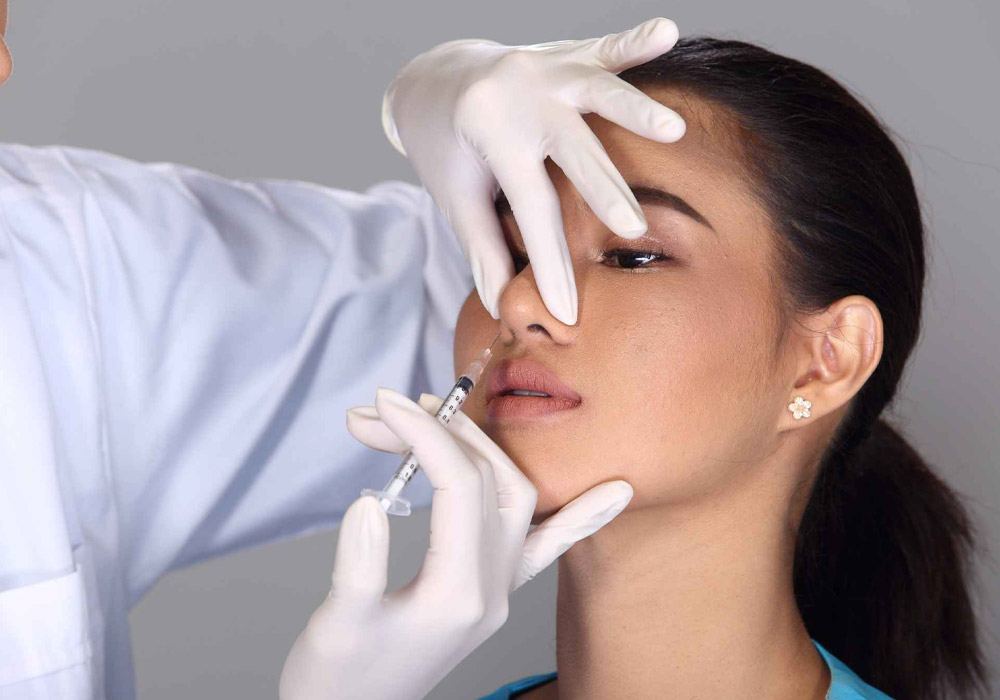
Botox is used in the nasal area to correct certain muscle movements and reduce wrinkles that develop in this region. One of its most common applications is treating bunny lines, which appear on the upper part of the nose when smiling, frowning, or scrunching the face. In some individuals, Botox can also help prevent the tip of the nose from drooping when smiling, creating a more balanced appearance.
Because the nasal muscles are small and delicate, the amount of Botox administered in this area must be carefully calculated. This ensures wrinkle reduction while preserving natural nasal movement and maintaining harmony with the rest of the face. The outcome depends on muscle anatomy, wrinkle severity, and the physician’s expertise in selecting the appropriate injection points.
Botox for the Chin and Orange Peel Skin Texture
The chin is another facial area where excessive muscle activity may create an uneven, dimpled appearance commonly referred to as an “orange peel” texture. Botox relaxes the mentalis muscle, helping smooth the skin and reduce this irregular appearance. It can also soften fine lines that develop in the chin area, resulting in a more balanced facial appearance.
The effectiveness of Botox in the chin depends on factors such as muscle strength, the severity of skin irregularities, and the overall condition of the tissues in this area. Careful determination of the appropriate Botox dosage and precise injection sites is essential to improve the appearance of the chin while preserving the natural movement of the lips and lower face.
Botox for Jawline Slimming and Facial Contouring
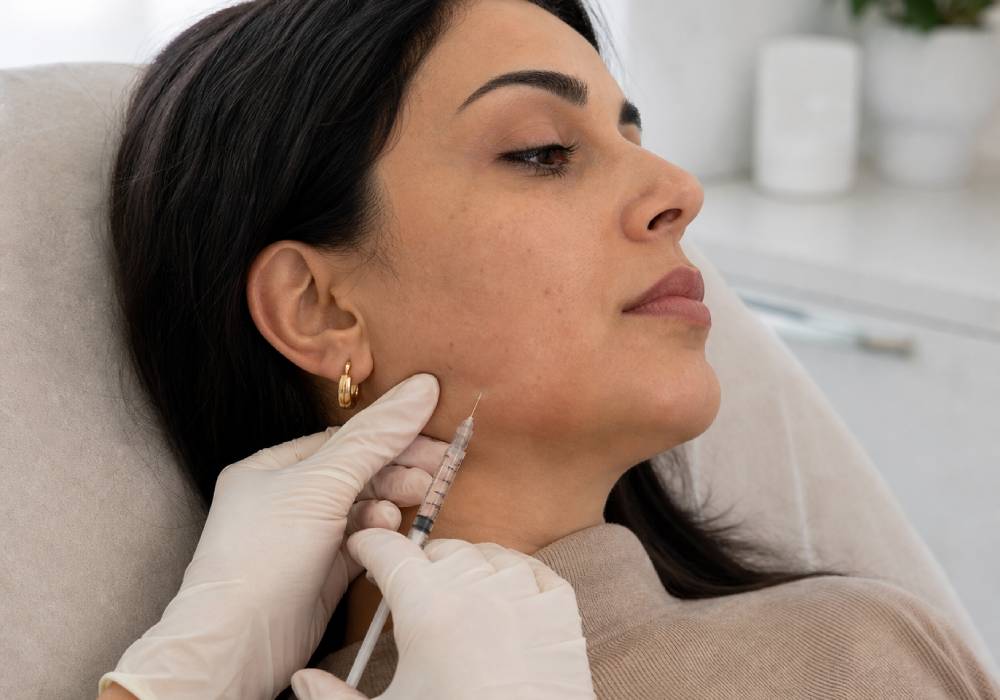
The masseter muscle is located at the angle of the jaw. In some individuals, excessive muscle activity or increased muscle volume can make the lower face appear wider. Botox reduces the activity of this muscle, gradually decreasing its prominence and helping create a more refined and balanced jawline.
This treatment is commonly used for individuals with a square-shaped face caused by enlarged masseter muscles or for those who experience excessive jaw tension due to teeth grinding (bruxism) or clenching. The results depend on factors such as muscle size, facial anatomy, and the level of muscle activity, and they usually become more noticeable after several weeks. A thorough facial assessment and proper dosage selection are essential to ensure harmonious facial proportions.

Botox for the Neck and Vertical Neck Bands
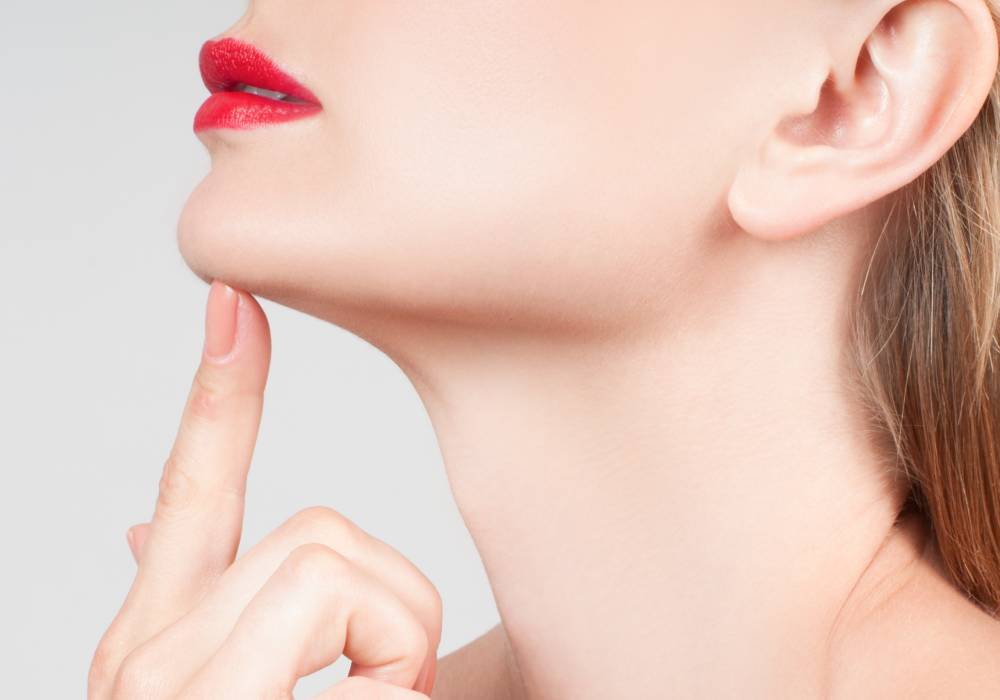
The neck is an important area in facial rejuvenation. Due to constant movement, environmental exposure, and the gradual loss of skin elasticity, vertical lines and prominent platysmal bands may develop over time. Botox reduces the activity of the superficial neck muscles, decreasing muscle contraction and improving the appearance of these lines.
This treatment can create a smoother-looking neck and improve harmony between the lower face and neck. The outcome depends on factors such as muscle anatomy, wrinkle depth, skin quality, and the physician’s skill in selecting the appropriate injection sites. Since the neck muscles play essential roles in speaking, swallowing, and head movement, injections must be performed carefully to soften wrinkles while maintaining normal muscle function.
Differences in the Longevity of Botox Results Across Facial Areas
The longevity of Botox varies from one facial area to another because muscle activity and skin characteristics differ throughout the face. Muscles that are frequently used during expressions such as frowning, smiling, or raising the eyebrows generally metabolize Botox more quickly, requiring periodic maintenance treatments. In contrast, areas with lower muscle activity may retain results for a longer period.
Additional factors such as age, skin quality, muscle strength, the amount of Botox injected, and adherence to post-treatment care also influence how long the results last. In comprehensive facial rejuvenation plans, physicians may recommend combining Botox with facial fat grafting to restore lost facial volume when appropriate. Ultimately, the ideal timing for repeat Botox treatments should be determined based on each individual’s response to treatment.
Differences in Botox Dosage Across Different Facial Areas
The appropriate Botox dosage varies according to the characteristics of each treatment area, and there is no universal dose suitable for every patient. The forehead, glabellar region, around the eyes, chin, and jaw all have different muscle sizes and activity levels, requiring different amounts of Botox.
For example, stronger muscles generally require higher doses to reduce muscle contractions effectively, whereas delicate areas such as around the eyes require smaller doses and greater precision. Proper dose selection not only reduces wrinkles but also preserves natural facial expressions, balanced eyebrow movement, and overall facial harmony. Physicians determine the optimal treatment plan by evaluating facial anatomy, wrinkle severity, and muscle activity to achieve natural-looking results.
Factors That Affect the Longevity and Quality of Botox Results
The quality and durability of Botox results depend on several factors, and each individual’s outcome may vary. Muscle strength, facial movement, age, skin condition, metabolic rate, and lifestyle all influence the final results. In addition, choosing an experienced physician, carefully evaluating facial anatomy, and selecting the appropriate Botox dosage are essential for achieving natural-looking outcomes.
For individuals with significant skin laxity in addition to facial wrinkles, other procedures such as face and neck lift surgery may be considered to address more advanced signs of aging. Following post-treatment instructions also plays an important role in maintaining treatment quality and preserving natural facial appearance.
Post-Treatment Care to Maintain Botox Results
Following proper aftercare instructions is essential for maintaining the quality of Botox results and reducing the risk of complications. During the first few hours after treatment, patients should avoid touching or massaging the treated areas to prevent the product from migrating. It is also advisable to avoid strenuous physical activity, excessive heat exposure such as saunas, and pressure on the face during the first few days after treatment.
Choosing a specialized clinic and an experienced physician before treatment is equally important, as careful facial assessment, a thorough understanding of facial anatomy, and precise injection techniques all contribute significantly to the final outcome. Individuals looking for a reputable clinic for Botox treatments may consider Dr. Karina Ghadimi Clinic, where they can benefit from professional facial rejuvenation and aesthetic services. Following the physician’s post-treatment recommendations also helps maintain natural-looking results and improves overall patient satisfaction.
Conclusion
Botox is one of the most widely used treatments for reducing wrinkles caused by facial muscle activity. However, its effectiveness varies across different areas of the face depending on muscle structure, movement, and skin characteristics. The forehead, glabellar region, around the eyes, nose, lips, chin, jawline, and neck each require different injection techniques and dosages to achieve natural-looking results.
Choosing an experienced physician, carefully evaluating facial anatomy, and following post-treatment care instructions are essential for achieving long-lasting, high-quality outcomes. Understanding the differences in Botox effectiveness across various facial regions enables patients to make informed decisions and choose the most appropriate rejuvenation approach while maintaining natural facial harmony.
Also Read: