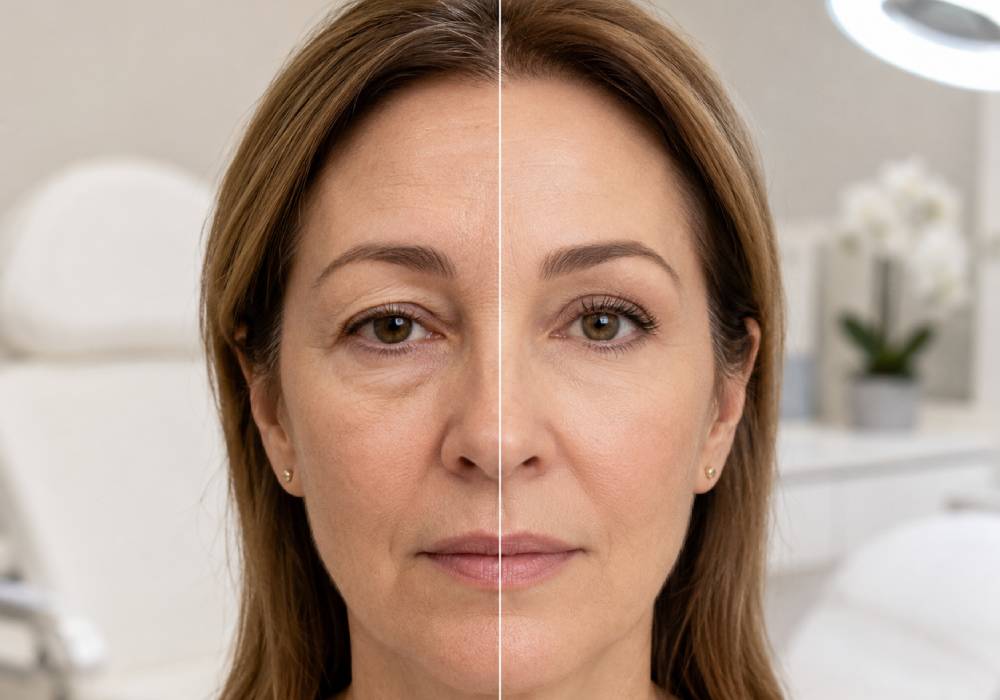
Ear cosmetic surgery or otoplasty is one of the effective methods for correcting the shape and position of the ears, but the durability of its results largely depends on post-operative care. During the first weeks and months, the ear cartilage and tissues are still healing and have less resistance against pressure or impact. Therefore, sports activities, especially contact and collision sports, can interfere with the recovery process and affect the final ear shape if safety precautions are not followed. Understanding the right time to return to sports, methods of protecting the ears, and measures that reduce the risk of injury play an important role in maintaining the surgical results and preventing possible complications.
The Importance of Protecting the Ears After Ear Cosmetic Surgery
Protecting the ears after ear cosmetic surgery is not limited to the first few days after the procedure and should continue carefully until the tissues are fully healed. During this period, the cartilage and supporting tissues of the ear have not yet regained their full strength, and even a sudden impact or pressure can affect the healing process.
For this reason, it is recommended to avoid any activities that increase the risk of contact with the ears until receiving approval from the doctor. Following recommendations such as using a medical headband, avoiding sleeping on the ears, and protecting the ears during daily activities can help stabilize the new ear shape, reduce the risk of injury, and maintain the long-term results of the surgery.
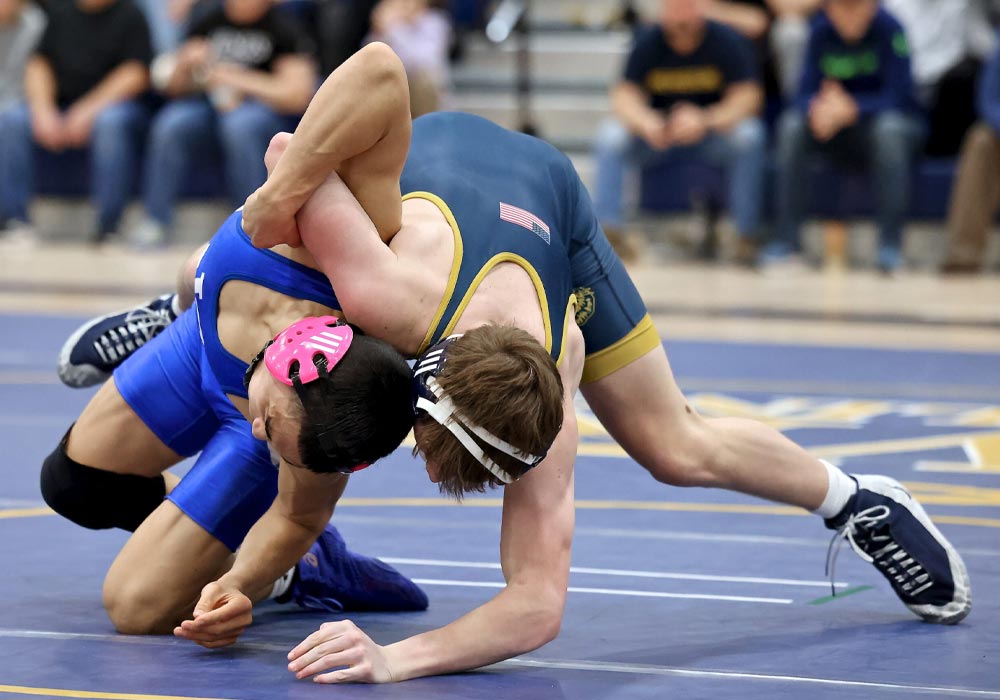
Complications of Ear Injuries After Otoplasty
An impact to the ear after otoplasty can affect the healing process and, in some cases, lead to problems such as pain, swelling, or changes in the surgical results.
Recurrence of Swelling and Inflammation
A blow to the ear after otoplasty can disrupt the natural healing process of the tissues and cause swelling to return or increase inflammation in the surgical area. This condition may be accompanied by pain, redness, and increased sensitivity, which can prolong the recovery period.
Changes in Ear Shape and Symmetry
After otoplasty, the ear needs time to stabilize its new shape. An impact during this period may cause cartilage displacement or changes in the ear’s position, affecting the symmetry achieved after surgery.
Damage to Sutures and Cartilage
The ear sutures and cartilage are sensitive during the first weeks after otoplasty, and severe pressure or impact can cause stitches to open, damage the cartilage structure, or interfere with the healing process.
Increased Risk of Bleeding and Hematoma
An injury to the operated ear may damage delicate blood vessels and increase the risk of subcutaneous bleeding or hematoma formation. A hematoma can be associated with swelling, pain, and the need for medical evaluation.
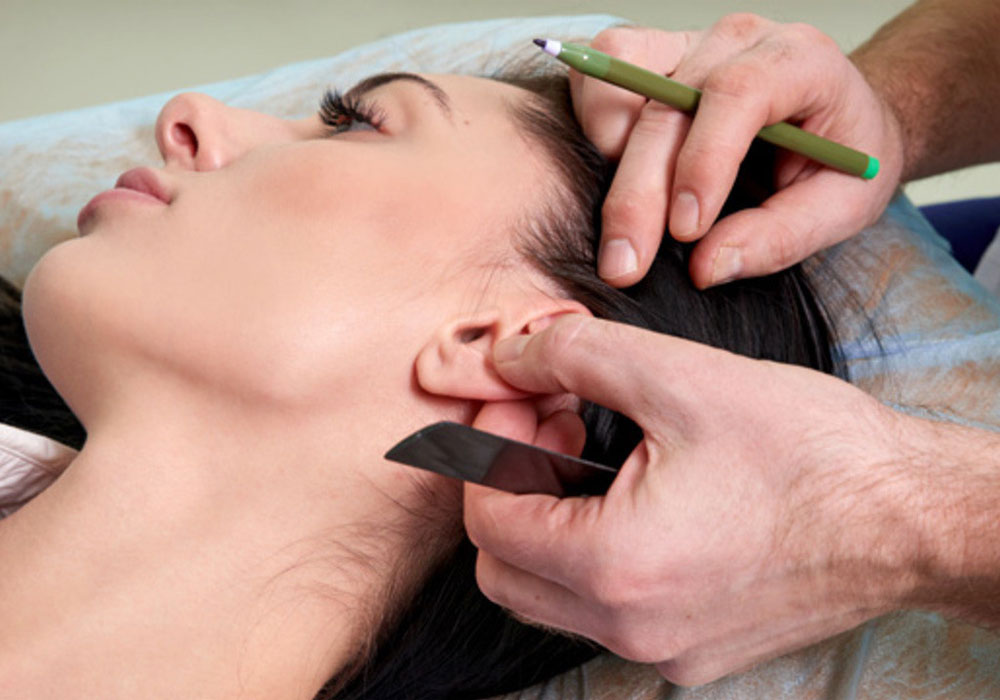
High-Risk Sports After Ear Cosmetic Surgery
High-impact sports after ear cosmetic surgery can place significant pressure on healing tissues and increase the possibility of complications or disruption of the surgical results.
Martial Arts
Martial arts such as boxing, karate, taekwondo, and judo can be harmful after otoplasty due to aggressive movements, direct strikes, and close contact with opponents. Even a short impact to the ear may put pressure on the corrected cartilage, cause stitches to open, or affect the final ear shape. Therefore, individuals who have undergone ear cosmetic surgery should avoid these activities until the ear structure has fully healed.
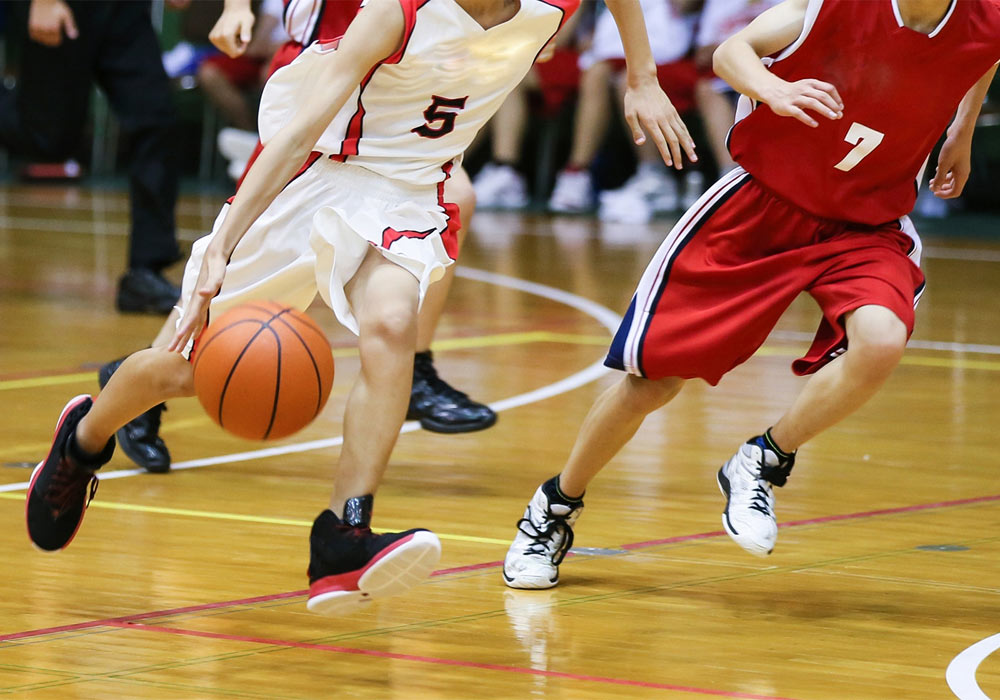
Football, Basketball, and Contact Sports
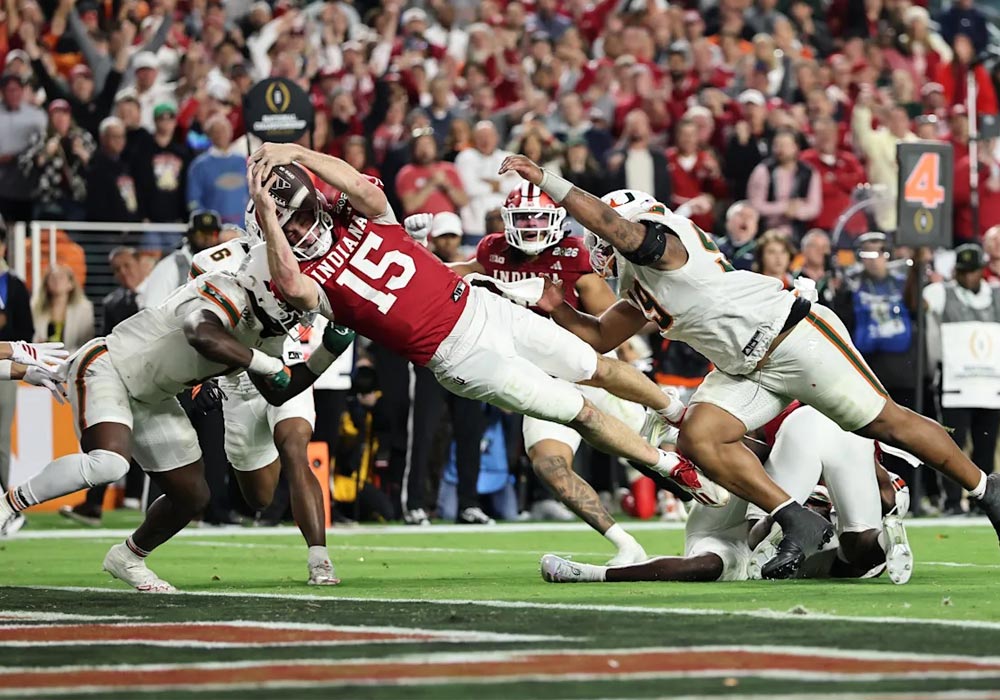
Contact sports such as football and basketball are not usually performed with the intention of hitting the ear, but player collisions, falls, or sudden contact with the ball can increase the risk of injury. After otoplasty, the ear needs time to stabilize its new shape, and any pressure or impact during this period may lead to increased swelling, pain, or changes in the surgical results.
Bodybuilding and Weightlifting
Heavy activities such as weightlifting and high-intensity bodybuilding exercises can make the recovery process after otoplasty more difficult by increasing body pressure and muscle tension. If these exercises are started earlier than recommended, the risk of increased swelling or discomfort around the ear may rise. Resuming workouts should be done gradually and based on the condition of the ear’s healing process.
Cycling and Skating
Cycling and skating are among the sports that require more care after ear cosmetic surgery due to the need for balance, the possibility of falling, and collisions with obstacles. A fall or sudden impact can damage the newly operated ear and affect the healing process. Following safety precautions and gradually returning to these activities play an important role in protecting the results of otoplasty.
The Right Time to Return to Sports After Otoplasty
Returning to sports after otoplasty should be done gradually and based on the ear’s healing process. In the first weeks after surgery, the ear tissues, cartilage, and sutures are still sensitive, and any pressure, stretching, or impact can affect the recovery process. Light activities such as walking can usually be resumed earlier, but intense sports, high-impact aerobic exercises, and activities that involve the risk of contact with the ear require more time. The best time to restart sports varies depending on each person’s condition and should be determined after evaluating the ear’s healing process and receiving the doctor’s approval to maintain the surgical results and reduce the risk of problems such as swelling, bleeding, or changes in ear shape.
Ways to Protect the Ear During Sports
To maintain ear health during sports, following protective measures can prevent pressure or impact on the operated area and help preserve the results of otoplasty.
Using a Headband and Ear Protection
After otoplasty, the ears are more sensitive to pressure and impact, and using a headband or ear protection can create a protective layer against potential injuries. Soft headbands help keep the ears in the proper position and prevent sudden contact, ear bending, or direct pressure during sports activities. However, the type of protection and duration of use should be selected according to the doctor’s recommendations to avoid interfering with the ear’s healing process.
Gradual Start of Exercises
Returning to an exercise routine after ear cosmetic surgery should begin with light activities, and the intensity of workouts should be increased gradually. Starting intense exercises suddenly can put more pressure on the body and increase the possibility of swelling or discomfort around the ear. Gradually increasing the duration and intensity of workouts allows the body to adapt to the new condition and prevents damage to healing tissues.
Choosing Safe Equipment
Using appropriate sports equipment plays an important role in reducing the risk of injury after otoplasty. People who plan to return to sports should choose equipment that reduces the risk of falling, collisions, or pressure on the head and ears. Standard protective equipment, along with following safety principles, helps sports activities be performed with lower risks and protects the surgical results.
Following the Doctor’s Recommendations
Following the surgeon’s instructions after otoplasty is very important because the ear healing process is different for each person. By examining the condition of the sutures, ear shape, and tissue recovery, the doctor determines when it is possible to return to sports activities. Following these recommendations prevents early pressure on the ears and reduces the risk of issues such as changes in ear shape or a longer recovery period.

Warning Signs After an Ear Injury
After an impact to the ear, especially during the recovery period after otoplasty, any changes in the ear’s condition should be carefully monitored. Some signs may indicate damage to the cartilage, sutures, or blood accumulation under the skin and require professional evaluation. A significant increase in pain, unusual swelling, severe redness, pressure sensation in the ear, bleeding, discharge from the surgical area, opening of sutures, or changes in ear shape and symmetry are symptoms that should not be ignored. Visiting a doctor after noticing these signs helps identify possible problems at an early stage and prevents them from affecting the final surgical results.
Essential Care to Maintain the Results of Ear Cosmetic Surgery
The final results of ear cosmetic surgery largely depend on post-operative care and how the ears are protected during the recovery period. In the first weeks, the ear cartilage is still stabilizing its new shape, and pressure, impact, or stretching can affect the healing process. After ear otoplasty surgery, following important care instructions such as using a protective headband according to the doctor’s advice, avoiding sleeping directly on the ears, taking care while washing, and avoiding high-risk sports activities are very important.
Regular follow-up appointments to monitor the healing process and paying attention to unusual symptoms such as increased swelling, pain, or changes in ear shape can help maintain the achieved appearance and reach the desired results.
The Most Common Mistakes During Otoplasty Recovery and Their Effects on Ear Shape
The recovery period after otoplasty is one of the important stages for stabilizing the new ear shape, and the way care is provided during this time can affect the final results. After ear otoplasty surgery, the cartilage and surrounding tissues are still healing, and neglecting necessary care may lead to problems such as increased swelling, inflammation, changes in symmetry, or damage to the created ear shape.
Pressing the ear, sleeping on the surgical area, removing the headband too early, performing intense activities, and failing to protect the ears from impact are common mistakes that can interfere with the healing process. Following the doctor’s recommendations and providing proper care during this period helps stabilize the surgical results and maintain the natural appearance of the ears.
Achieving the Desired Ear Shape with Otoplasty at Dr. Karina Ghadimi Clinic
Prominent or disproportionate ears can affect facial harmony and reduce a person’s satisfaction with their appearance. At Dr. Karina Ghadimi Clinic, otoplasty is performed using advanced equipment and a detailed evaluation of the ear structure to create a more balanced ear shape while maintaining a natural appearance. Before surgery, specialized consultation sessions are provided to evaluate the individual’s condition, expectations, and the most suitable method for correcting the ear shape. In addition to ear cosmetic surgery, this clinic also provides various aesthetic services such as lip lift (central lip), biofiller injection, mammoplasty surgery, mommy makeover surgery, and other cosmetic procedures, allowing patients to improve the balance and beauty of different areas of the face and body through specialized services.
Conclusion
Ear cosmetic surgery or otoplasty is one of the effective methods for correcting the shape and position of the ears, but achieving the desired results is not limited to the surgical procedure itself, and post-operative care is highly important. Protecting the ears from impact, following the appropriate timeline for returning to sports, paying attention to the doctor’s recommendations, and avoiding behaviors that put excessive pressure on the ears help stabilize the new ear shape. Individuals who are considering otoplasty can choose a specialized center such as Dr. Karina Ghadimi Clinic and receive pre-operative consultation to follow the treatment process with greater awareness and achieve higher satisfaction with their surgical results.
Also Read: