After breast surgery, the body enters a stage in which tissues require time and careful care to heal, and even minor negligence can affect the recovery process. Among the most important factors during the early days is sleeping position, as the body’s posture during rest can influence pain levels, swelling, and even the final shape of the breasts.
Choosing the correct sleeping position not only helps reduce pressure on the surgical area but also allows the body to go through the healing process in a more comfortable state. For this reason, understanding the proper sleeping guidelines during this period plays an important role in achieving a smoother recovery and a more satisfactory result.
The Importance of Sleeping Position After Breast Surgery
During the first days after breast surgery, the body is in its most sensitive stage of healing, and even slight pressure or an improper resting position can affect the recovery process. At this stage, the tissues are still healing, and the breasts are more sensitive to movement, contact, or changes in body position. Therefore, sleeping posture becomes extremely important and can play a significant role in reducing pain, controlling swelling, and preserving the final surgical outcome.
Choosing the correct sleeping position during this period helps keep the body in a more stable condition and allows healing to progress without disruption, whereas improper sleeping positions may increase discomfort and prolong the recovery period.

The Best Sleeping Position After Breast Surgery
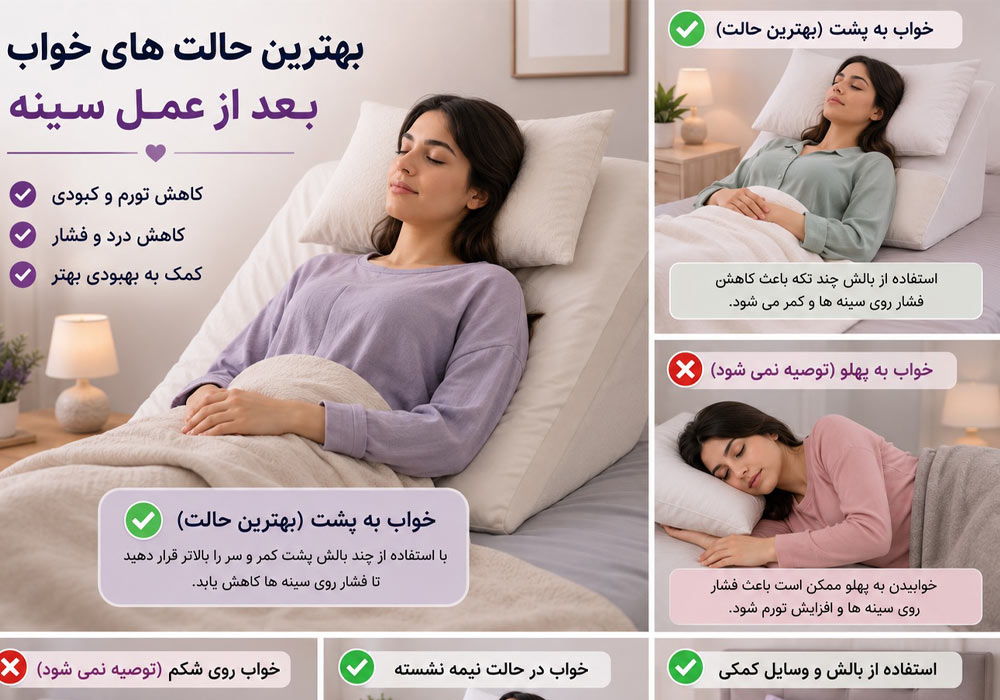
The best sleeping position during the first days after breast surgery is lying on your back in a semi-reclined position, with the upper body slightly elevated above the rest of the body and no direct pressure placed on the surgical area. This position helps keep the tissues in a more stable and comfortable condition, allowing the body to heal without disturbance. In procedures such as breast prosthesis, maintaining this position is even more important because preserving proper implant placement and preventing unwanted pressure or movement can affect the final result.
Using several pillows behind the back, under the head, and around the body helps maintain this position during sleep and reduces the likelihood of rolling onto the side or changing position unexpectedly. In addition to reducing discomfort, this method also helps control swelling and creates better conditions for recovery.
Why Is Sleeping on Your Side or Stomach Risky?
During the first days after breast surgery, sleeping position is very important because certain positions, such as sleeping on the side or stomach, can place inappropriate pressure on the surgical area and interfere with healing.
Sleeping on Your Side
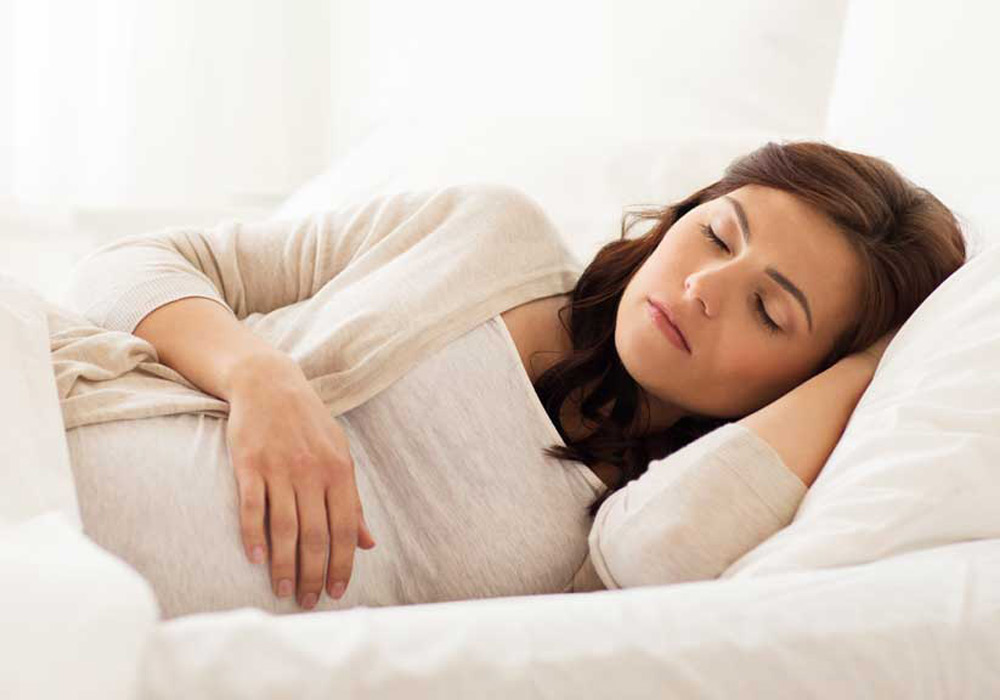
Sleeping on your side during the early days after breast surgery is generally not recommended because it creates uneven and direct pressure on one side of the body. This can increase pain, swelling, and the sensation of tightness in the surgical area. In addition, remaining in this position for long periods may disrupt the balance of pressure on the healing tissues and slow the recovery process. For this reason, it is better to keep the body in a stable position without additional pressure so that healing can progress more comfortably and the surgical area remains stable.
Sleeping on Your Stomach
Sleeping on your stomach during the first days after breast surgery is not recommended under any circumstances because this position places significant direct pressure on the surgical area. This can increase pain, swelling, and severe discomfort. It may also damage healing tissues and interfere with the recovery process. Therefore, this sleeping position should be completely avoided until the doctor approves it, and the body should remain in safer, pressure-free positions to support proper healing.
Using the Right Pillows for Better Sleep
Pillows play an important role in controlling body position during sleep. Proper use of pillows can prevent unwanted movements and improve comfort.
Pillow Behind the Back
Using a pillow behind the back during the first days after breast surgery helps keep the body in a semi-reclined and stable position while reducing the likelihood of rolling onto the side. This helps remove direct pressure from the surgical area and allows the patient to rest more comfortably. A pillow behind the back also helps maintain the proper body angle, improving swelling control and pain management. This simple but effective method plays an important role in achieving safer and more restful sleep during recovery.
Pillow Under the Knees
Placing a pillow under the knees during the first days after breast surgery helps reduce pressure on the lower back and creates better balance while sleeping. When lying on the back, positioning a pillow beneath the knees helps maintain the natural curve of the spine and allows the body to rest more comfortably. This can prevent lower back pain and promote longer, more restful sleep. It also helps keep the body in a stable position and improves sleep quality during recovery.
Side Pillows
Using side pillows during the first days after breast surgery helps keep the body in a stable position and reduces the likelihood of unintentionally rolling onto the side. Placing pillows on both sides of the body provides support and helps the patient feel more secure while resting. This prevents sudden pressure on the surgical area and allows the body to rest in a controlled position. As a result, sleep quality improves and the healing process continues more comfortably.
Ideal Sleeping Position During the First Week
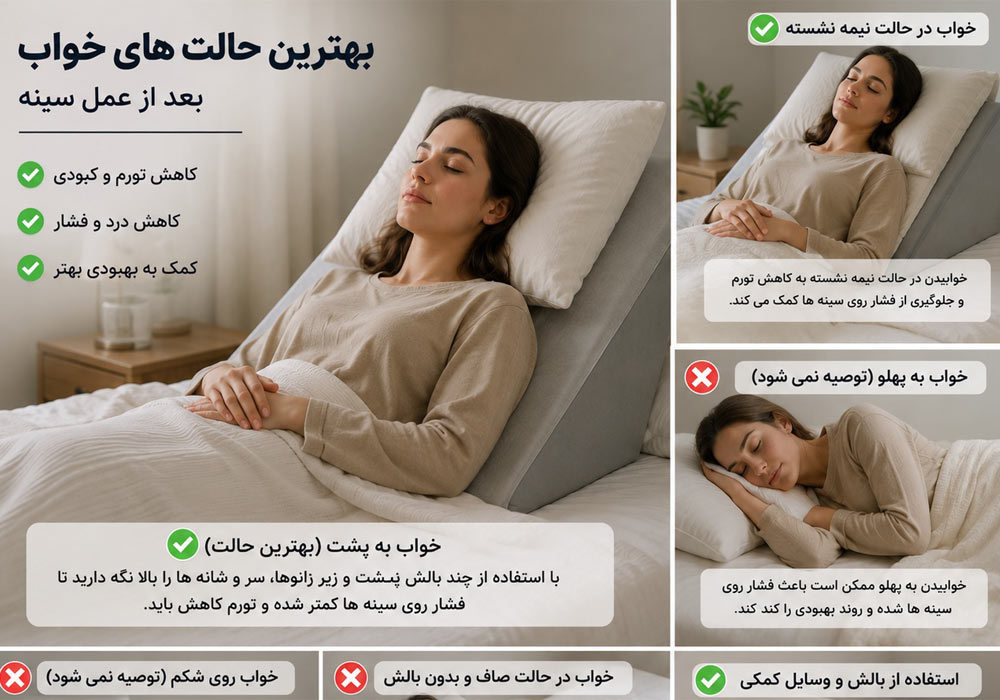
During the first week after breast surgery, the body is in its most sensitive stage of healing, and the way you rest plays an important role in reducing pressure on the surgical area. During this period, the best sleeping position is lying on your back in a semi-reclined posture, with the upper body slightly elevated and the body kept in a stable position. This helps reduce sudden movements and keeps the breast area more comfortable.
In procedures such as a breast lift, paying attention to this point is even more important because maintaining tissue balance during the early days affects the final outcome. Using pillows behind the back and around the body also helps prevent excessive movement during sleep and promotes more comfortable rest.
Sleeping Position During Weeks Two to Four
During the first week after breast surgery, the body is in its most sensitive stage of healing, and the way you rest plays an important role in reducing pressure on the surgical area. During this period, the best sleeping position is lying on your back in a semi-reclined posture, with the upper body slightly elevated and the body kept in a stable position.
This position helps minimize sudden movements and keeps the breast area more comfortable. In procedures such as breast lift surgery, paying attention to this point is especially important because maintaining tissue balance during the early days affects the final result. Using pillows behind the back and around the body also helps reduce movement during sleep and promotes more comfortable rest.
When Can You Sleep on Your Side?
The appropriate time to start sleeping on your side depends on the body’s healing progress and the doctor’s recommendation, and it is not the same for everyone. In most cases, after several weeks, when pain, swelling, and sensitivity in the surgical area have decreased, it may be possible to carefully try this position for short periods.
This change should be introduced gradually, and initially only a portion of sleep should be spent in this position to assess the body’s response. If there is no discomfort, pressure, or tightness in the breast area, the duration can gradually be increased. In any case, following the doctor’s guidance during this stage is very important to ensure healing continues without complications.

Important Tips for More Comfortable Sleep After Breast Surgery
Following a few simple but important recommendations can significantly improve sleep quality and recovery after breast surgery. Sleeping on your back in a semi-reclined position helps remove direct pressure from the breast area and keeps the body more stable. This reduces sudden movements during sleep and helps keep the surgical area comfortable. In procedures such as mammoplasty, paying attention to this issue is particularly important because maintaining tissue stability during the early days affects the final result.
Using pillows behind the back, under the head, and around the body also helps reduce movement during sleep and lowers the risk of rolling onto the side. In addition, maintaining a comfortable room temperature, avoiding stimulating beverages before bedtime, and following prescribed medications carefully can reduce discomfort and promote deeper rest. Paying attention to these simple measures gives the body a better opportunity to heal and makes the recovery period more comfortable.
Common Sleep Problems After Breast Surgery
Common sleep problems after breast surgery during the first days and weeks are usually caused by pain, sensitivity in the surgical area, and limitations in changing body position. Many people experience difficulty finding a comfortable sleeping position, frequent awakenings during the night, and feelings of pressure or tightness in the breast area.
These issues can also occur after procedures such as gynecomastia surgery because the surgical area is highly sensitive to contact and movement and requires additional care. Fear of accidental movement during sleep can also reduce sleep quality. Together, these factors can prevent deep sleep and limit the body’s ability to recover fully. Therefore, maintaining a proper sleeping position and using supportive pillows play an important role in reducing these problems.
Common Mistakes When Sleeping After Breast Surgery
Common sleeping mistakes after breast surgery can affect the healing process and increase discomfort in the surgical area. One of the most common mistakes is sleeping on the side or stomach during the first days, which places inappropriate pressure on the tissues and can increase swelling and the sensation of tightness.
Another mistake is failing to use supportive pillows, which may allow the body to change position suddenly during sleep. Some individuals also spend extended periods in unsuitable positions despite recommendations, reducing the quality of rest. Overall, these mistakes can prevent the body from healing in a calm and orderly manner.
The Effect of Proper Sleep on the Final Surgical Result
Proper sleeping habits after breast surgery have a direct impact on the final result and can influence both healing quality and the shape of the surgical area. When the body remains in an appropriate position, such as sleeping on the back without pressure on the breasts, tissues have a better opportunity to heal and inflammation and swelling are controlled more effectively.
In contrast, sleeping in improper positions can create abnormal pressure and interfere with the healing process. Following these recommendations throughout recovery helps ensure a more even and stable result and allows the patient to experience a smoother recovery period.
If you are considering breast augmentation surgery, you can visit Dr. Karina Ghadimi’s clinic for an evaluation and professional consultation. At this center, breast augmentation procedures are performed using advanced equipment and modern medical techniques to achieve safer and more precise results. Comprehensive preoperative guidance is also available to help you make a well-informed decision.
Conclusion
After breast surgery, the body enters a stage in which tissues require time, precision, and consistent care to heal properly, and any negligence can affect the recovery process. Among the most important factors during the early days is sleeping position, because the body’s posture during rest directly affects pain levels, swelling, and even the final shape of the breasts. Choosing an appropriate sleeping position, especially sleeping on the back and using supportive pillows, helps remove pressure from the surgical area and allows the body to heal in a more comfortable state.
On the other hand, remaining in unsuitable positions can increase discomfort and negatively affect healing quality. For this reason, following proper sleeping guidelines during this period plays an important role in achieving a more comfortable recovery and a better overall result.
Also Read: