Exercise after breast implant surgery is one of the most important aspects of post-operative care. If not managed properly, it can directly affect the final breast shape, the longevity of the surgical results, and even the healing process itself. Many people assume that they can return to their previous workout routine as soon as the pain subsides, but the reality is that the breast tissues and muscles continue healing for several weeks after surgery. Any premature strain may lead to implant displacement or increased swelling. For this reason, understanding the proper timeline and gradual return to exercise plays a key role in achieving a safe and satisfying outcome.
The Importance of Following Exercise Restrictions After Breast Implant Surgery
Following exercise restrictions after breast implant surgery is essential for ensuring optimal healing and maintaining the final surgical results. During the first weeks and months, the tissues surrounding the implant are still healing and stabilizing. Excessive pressure, sudden movements, or an early return to exercise can cause complications such as increased swelling, pain, internal bleeding, or even implant displacement.
For this reason, surgeons generally recommend a gradual and controlled return to physical activity, allowing the body enough time to heal while preserving the best possible surgical outcome.
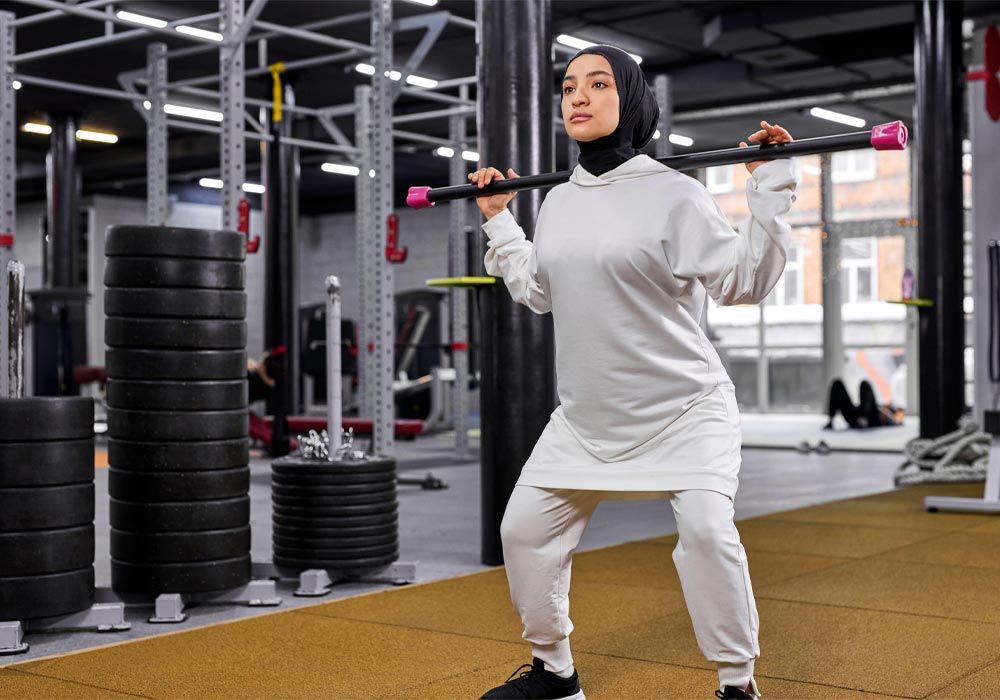
The First Weeks After Surgery: Active Rest, Not Exercise
During the first weeks after breast implant surgery, the body is in its most sensitive stage of healing. As a result, all forms of exercise should be avoided, but this does not mean complete inactivity. “Active rest” plays an important role during this period and includes very light activities such as short and gentle walks. These movements help improve blood circulation, reduce the risk of blood clots, and maintain overall physical well-being without placing stress on the surgical area.
During this phase, any activity that significantly increases heart rate, engages the chest muscles, or involves sudden movements should be avoided to ensure a smooth and stable recovery process without compromising the surgical outcome.
Weeks Two to Four: Beginning Light Activities
Between the second and fourth weeks after breast implant surgery, the body enters a stage where the initial inflammation has significantly decreased, although tissue healing is still ongoing. While patients often feel more comfortable compared to the first few days, the internal breast structures have not yet fully stabilized, and improper movements or excessive pressure can still affect the final surgical result.
With the surgeon’s approval, light daily activities can usually be resumed during this period, and regular short walks are encouraged to improve circulation and prevent stiffness and inactivity. However, strenuous cardiovascular exercises, upper-body stretching, lifting heavy objects, or any activity involving the chest muscles should still be avoided. The primary goal during this stage is to allow complete implant stabilization while preventing unnecessary stress on the healing tissues.

Weeks Four to Six: Gradual Return to Moderate Activities
Between the fourth and sixth weeks after breast implant surgery, recovery continues to progress, and patients generally feel significantly better. However, tissue healing is still incomplete, and the breasts have not yet reached full stability. During this period, patients can often resume more daily activities and, with medical approval, engage in longer walks or very light cardiovascular exercises. These activities help the body gradually return to movement without placing strain on the surgical area.
Nevertheless, exercises involving chest muscles, weightlifting, intense stretching, or high-impact activities should still be avoided. Even moderate levels of strain during this stage may interfere with implant positioning and the stabilization process.
Weeks Six to Twelve: Beginning Light Resistance Training
From six to twelve weeks after breast implant surgery, much of the healing process has been completed, and patients usually have more physical strength and endurance. However, this period should still be considered a sensitive phase of recovery and stabilization. With the surgeon’s approval, patients may gradually begin controlled and light resistance exercises that primarily focus on strengthening the lower body and improving overall fitness without placing direct stress on the chest area.
The main objective during this stage is to help the body safely return to pre-surgery activity levels while protecting the developing tissues around the implants. Exercise intensity should increase gradually and always be guided by the body’s response to avoid compromising the final results.
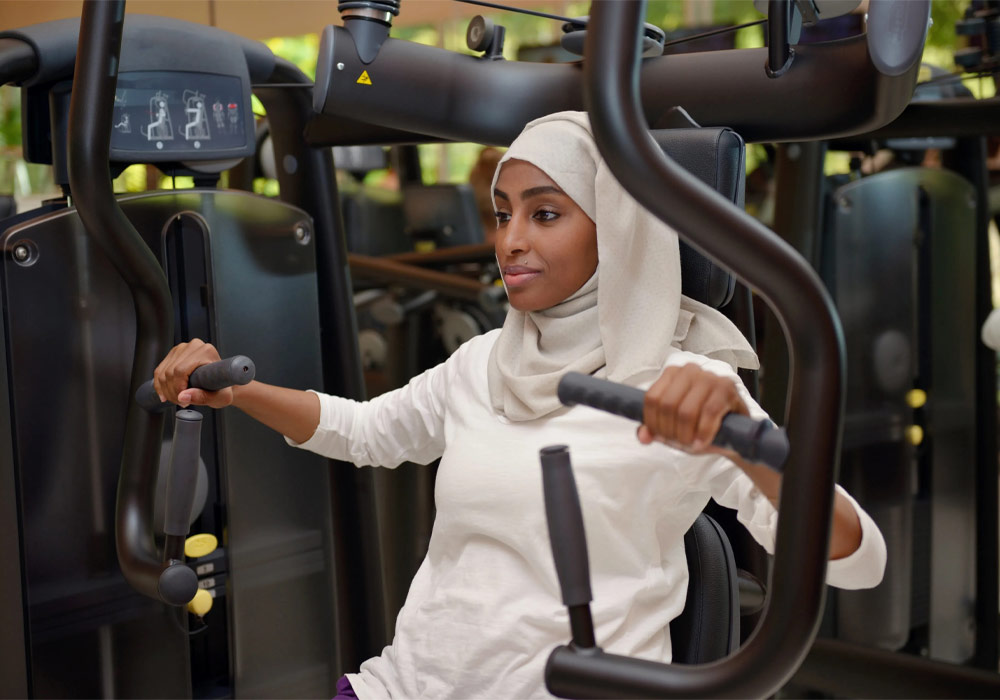
After Three Months: Returning to Intense Exercise
Approximately three months after breast implant surgery, patients may gradually return to more intense physical activities if healing has progressed without complications. However, this stage still requires caution and careful monitoring. Although the body appears more stable externally, the tissues surrounding the implants are still adapting to their final position. Sudden strain or a rapid increase in exercise intensity may negatively affect the surgical outcome.
At this point, workouts should begin gradually, progressing from light to moderate activities before increasing resistance and training volume. Proper exercise technique, avoiding direct pressure on the chest, and paying close attention to any unusual sensations are essential for maintaining implant stability and achieving long-term results.
The Difference Between Exercise After Submuscular and Over-the-Muscle Implants
The difference between exercising after submuscular and over-the-muscle implant placement mainly relates to muscle involvement, recovery sensitivity, and the timeline for returning to physical activity. When implants are placed beneath the chest muscle, the muscle provides additional coverage, making the healing process more delicate and often requiring a longer recovery period before resuming exercise.
In these cases, upper-body movements and resistance training are usually postponed for a longer period to avoid unnecessary strain on the surgical area. In contrast, implants placed over the muscle involve less direct disruption to muscle tissue, often allowing patients to return to light activities sooner. Nevertheless, regardless of the placement technique, all exercise should be resumed gradually and under medical guidance to ensure proper healing and implant stability.
Among reputable cosmetic surgery centers, Dr. Karina Ghadimi Clinic is recognized as one of the leading options for breast implant surgery, offering advanced equipment and carefully planned treatment procedures.
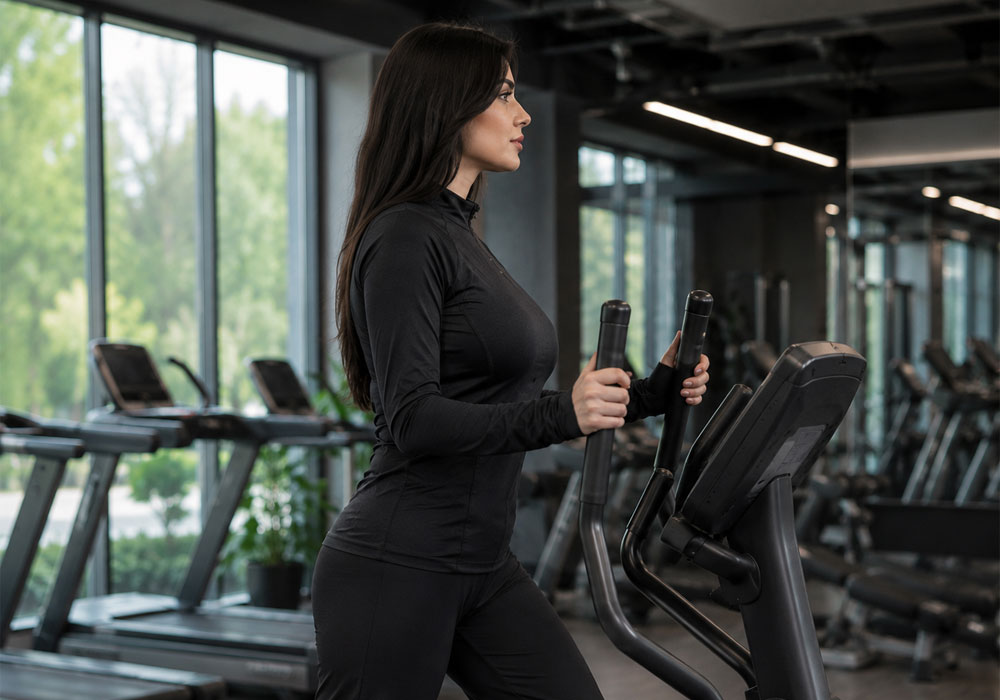
Important Tips for Exercising After Breast Implant Surgery
Returning to exercise after breast implant surgery requires careful planning and adherence to important guidelines because inappropriate movements or excessive strain can affect both healing and the final surgical outcome. Physical activities should be resumed gradually, allowing the body sufficient time to adapt to its new condition, especially during the early weeks when tissues remain highly sensitive.
Wearing appropriate sportswear, particularly supportive surgical or sports bras during exercise, plays an important role in reducing strain and controlling breast movement. Workouts should begin with light activities that do not directly engage the chest muscles and increase in intensity gradually. Monitoring the body’s response during exercise is equally important. Pain, tightness, or a feeling of heaviness may indicate excessive strain and signal the need to reduce activity levels to support uninterrupted healing.
Exercises That Require Extra Caution
Exercises such as heavy weight training, movements that place direct pressure on the chest muscles, jumping activities, and sports involving sudden impacts or stretching require extra caution after breast implant surgery. Performing these exercises too early can place significant stress on healing tissues and increase the risk of pain, swelling, or disruption of the surgical results.
For this reason, returning to these activities should be gradual and begin with very light resistance levels, allowing the body sufficient time to adapt. In cases where a breast lift was performed in combination with implants, these restrictions become even more important because multiple tissue layers are healing simultaneously and require additional time to achieve full stability.
The Role of Lifestyle in Faster Recovery
Lifestyle plays a major role in the recovery process after breast implant surgery because daily habits directly influence healing speed and the quality of the final outcome. A balanced diet rich in protein, vitamins, and essential minerals supports tissue repair and provides the body with the nutrients needed for recovery. Adequate hydration also helps reduce inflammation, improve circulation, and support overall healing.
In addition to nutrition, getting sufficient sleep and rest is essential for reducing fatigue and supporting the body’s natural repair mechanisms. Avoiding smoking and alcohol consumption is equally important, as these habits can impair blood flow and slow tissue healing. Managing stress and maintaining emotional well-being also contribute to a smoother recovery process and more stable surgical results.
If you are looking for a reputable center for breast implant surgery, Dr. Karina Ghadimi Clinic is one of the recognized options in this field, offering surgical services with advanced equipment and personalized treatment planning.
Conclusion
Exercise after breast implant surgery produces the best results when it follows a structured timeline and appropriate recovery guidelines. Returning to physical activity too quickly, particularly intense workouts, can interfere with healing and affect the final breast shape. A gradual and carefully planned return to exercise allows the body to adapt to its new condition while helping maintain long-term surgical results.
Following the surgeon’s recommendations, choosing appropriate exercises for each stage of recovery, and avoiding direct pressure on the chest area are key factors in preserving the final outcome. Combined with a healthy lifestyle and patience during recovery, these measures help ensure a safe return to physical activity and a successful long-term result.
Also Read: