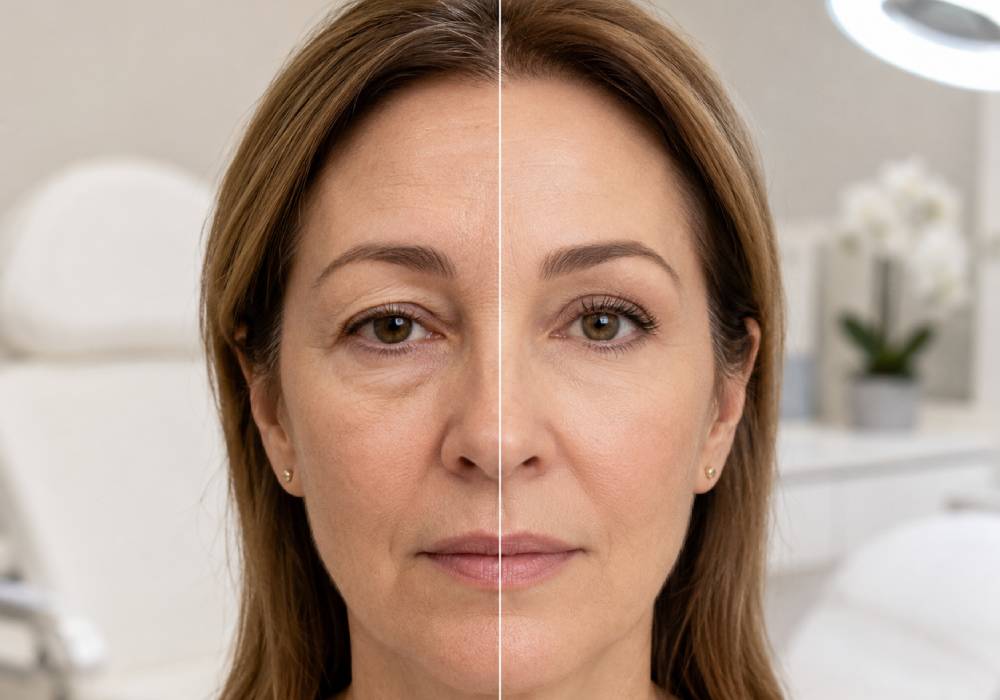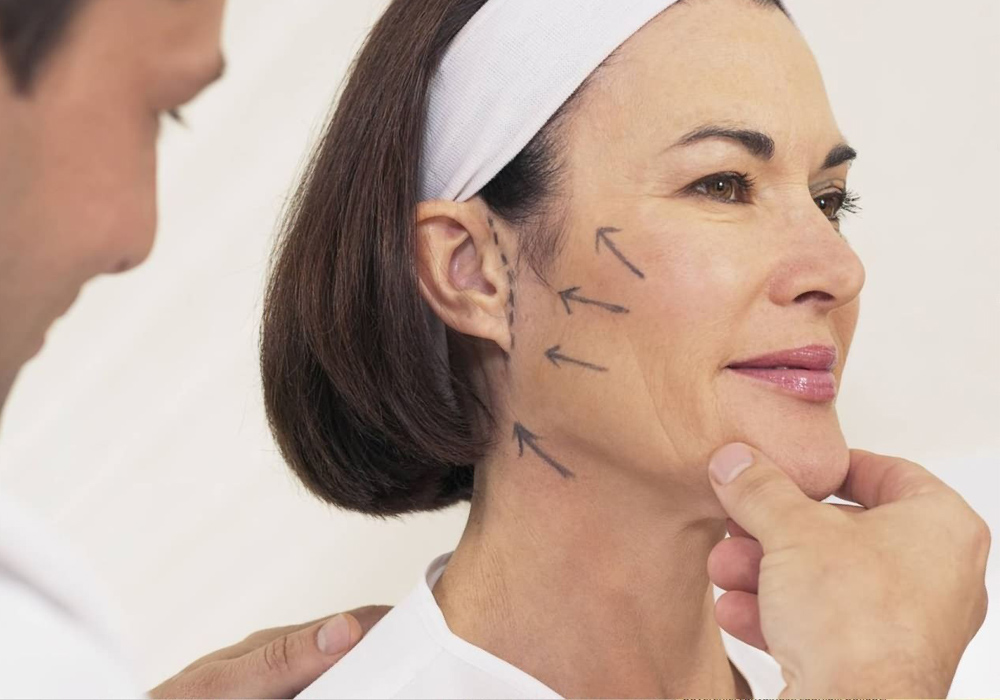
A facelift is one of the most effective facial rejuvenation procedures, helping reduce skin sagging and enhance facial contours for a younger, more refreshed appearance. However, the quality and longevity of the results depend not only on the surgeon’s expertise but also on proper post-operative care. Following your surgeon’s instructions, maintaining a healthy lifestyle, protecting your skin from external damage, and attending regular follow-up appointments all play an important role in preserving your new facial contours. Understanding these essential care measures can help you enjoy natural-looking, long-lasting facelift results while slowing the visible signs of skin aging.
Why Is Post-Facelift Care Important?
The first few days and weeks after a facelift are critical for healing. During this period, your body begins repairing the treated tissues, and proper care helps support this natural recovery process. Following medical instructions carefully can minimize swelling, protect the surgical area, and contribute to smoother healing. Consistent post-operative care also helps maintain the refined facial contours achieved during surgery and supports long-term satisfaction with your results.
Follow Your Surgeon’s Instructions Carefully
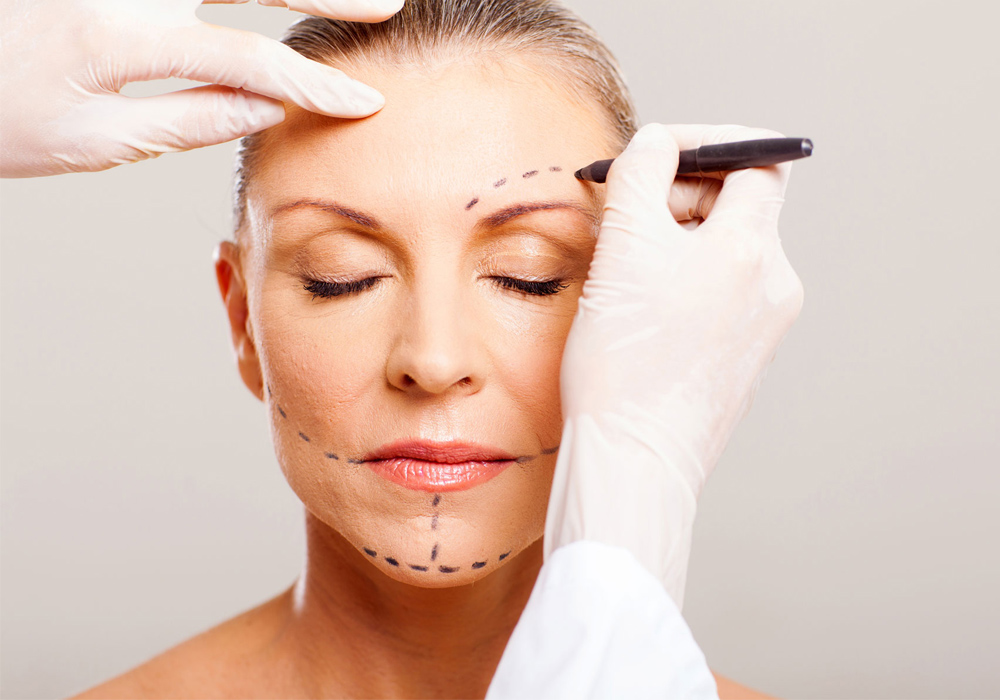
One of the most important aspects of recovery is following your surgeon’s recommendations exactly as prescribed. Instructions regarding wound care, medications, dressing changes, and physical activity are designed to support healing and reduce unnecessary stress on the treated tissues. Even if you feel better within a few days, avoiding self-directed changes to your recovery routine is essential for achieving the best possible outcome.
Sleep in the Correct Position
Proper sleeping posture is especially important during the first weeks after a facelift. Since the underlying tissues need time to stabilize, patients are generally advised to sleep on their back with the head elevated using one or two pillows. This position helps reduce swelling, minimizes fluid accumulation, and decreases pressure on the surgical area. A supportive pillow can also help keep the head in a stable position throughout the night. Sleeping on your side or stomach should be avoided until your surgeon confirms it is safe, as direct pressure on the face may interfere with healing. Maintaining the correct sleeping position contributes to a smoother recovery and supports longer-lasting facelift results.
Protect Your Skin from Sun Exposure
Following a facelift and neck lift, your skin becomes more sensitive while healing. Direct exposure to ultraviolet (UV) rays may increase inflammation, contribute to pigmentation changes, and delay the recovery process.
For this reason, prolonged sun exposure should be avoided during the initial recovery period. Whenever you go outdoors, apply a broad-spectrum sunscreen with an appropriate SPF, wear a wide-brimmed hat, and use sunglasses for additional protection. Reapplying sunscreen regularly is equally important, as continuous protection helps maintain healthy healing tissues. These precautions not only support skin health but also contribute to preserving the youthful appearance achieved through facelift surgery.
Keep Your Skin Well Hydrated
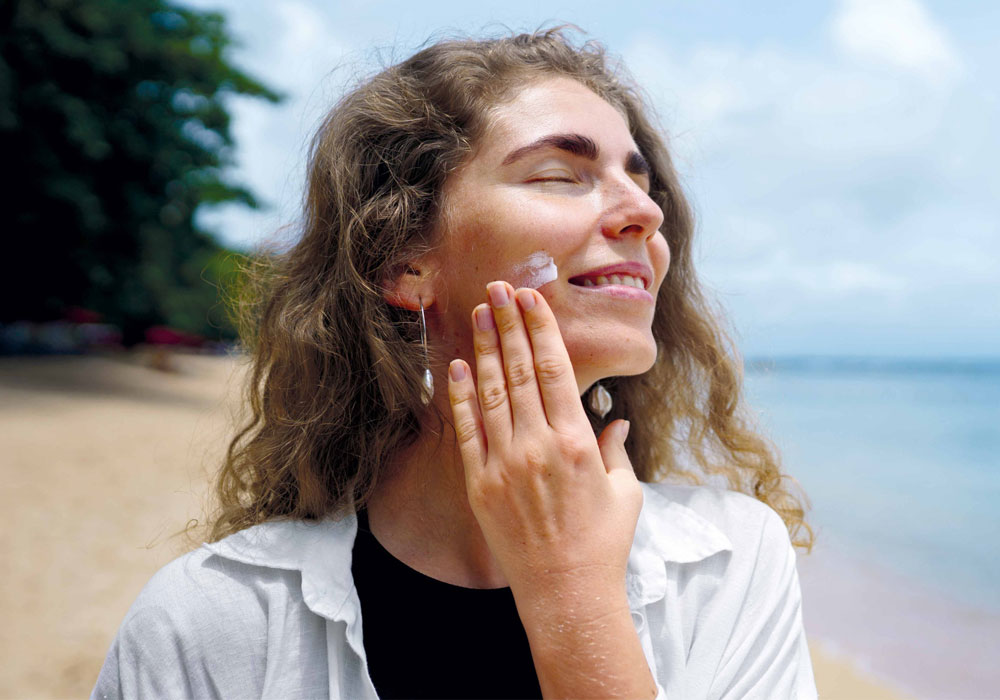
Maintaining adequate skin hydration is an essential part of facelift recovery. During healing, the skin may feel dry, tight, or more sensitive than usual. Using physician-recommended moisturizers and hydrating skincare products helps maintain skin softness and elasticity while supporting the recovery of the outer skin layers. In addition to topical skincare, drinking enough water, choosing gentle cleansers, and avoiding harsh cosmetic products further promote healthy skin. Consistent hydration helps improve overall skin quality and supports long-lasting facelift results.
Nutrition Tips to Maintain Facelift Results
A healthy diet plays a significant role in tissue healing after facelift surgery. Proper nutrition supplies the body with essential nutrients needed during recovery while supporting healthy skin over the long term.
Protein
Protein is one of the most important nutrients for tissue repair following facelift surgery. Consuming adequate amounts from sources such as chicken, fish, eggs, dairy products, legumes, and beans supports skin healing and recovery. A protein-rich diet, combined with your surgeon’s recommendations, also helps maintain healthy skin and contributes to longer-lasting facelift results.
Vitamin C
Vitamin C is essential for healthy skin during facelift recovery. It supports normal tissue healing and contributes to overall skin health. Foods such as oranges, kiwis, strawberries, bell peppers, broccoli, and other fresh fruits and vegetables provide excellent sources of vitamin C. Including these foods as part of a balanced diet helps maintain healthy, vibrant skin while supporting your recovery.
Antioxidants
Antioxidants are valuable nutrients that help protect the skin during the recovery period after facelift surgery. Colorful fruits and vegetables, berries, pomegranates, tomatoes, and leafy greens contain natural antioxidants that help protect skin cells from oxidative stress. Regular consumption of antioxidant-rich foods, combined with a balanced diet, supports healthier skin and helps maintain facelift results over time.
Healthy Fats
Healthy fats play an important role in maintaining skin quality and supporting the tissues beneath the skin. During facelift recovery, moderate consumption of foods such as fatty fish, olive oil, walnuts, almonds, and avocados provides essential fatty acids that help maintain skin softness, elasticity, and overall appearance. Including these foods in a balanced diet complements your post-operative care routine and contributes to long-term results.
Avoid Smoking
Avoiding tobacco products is one of the most important recommendations after facelift surgery. Chemicals found in cigarettes reduce blood circulation to the skin, limiting the delivery of oxygen and nutrients needed for tissue repair. As a result, healing may be slower and skin recovery may be compromised. Quitting smoking—especially during the weeks before and after surgery—supports healthier skin and helps preserve facelift results for a longer period.
Limit Alcohol Consumption
Reducing or avoiding alcohol during recovery is also highly recommended. Alcohol may contribute to dehydration and interfere with the body’s natural healing process. For this reason, most surgeons advise avoiding alcoholic beverages until the recovery period is complete or limiting consumption according to medical guidance. Combined with proper skincare and healthy lifestyle habits, this recommendation supports optimal healing and long-lasting facelift results.
Weight Management After a Facelift
Maintaining a stable body weight is an important factor in preserving the long-term results of a facelift. Significant weight fluctuations, especially during the months following surgery, can affect skin elasticity and alter facial contours. After your recovery period, following a balanced diet and engaging in regular physical activity—as recommended by your surgeon—can help keep your weight stable. Avoiding extreme diets and rapid weight gain or loss supports healthy skin and helps maintain your facelift results for years to come.
Use the Right Skincare Products
Choosing appropriate skincare products after facelift surgery is essential for maintaining healthy, well-hydrated skin. Gentle cleansers, high-quality moisturizers, and products recommended by your surgeon can help keep the skin soft, supple, and comfortable while minimizing dryness and irritation. Following a consistent skincare routine and avoiding harsh or unsuitable products will also support long-term skin health and contribute to maintaining your facelift results.
Manage Stress
Emotional well-being is an often-overlooked aspect of facelift recovery. Ongoing stress, inadequate sleep, and mental fatigue can affect your body’s overall recovery process and reduce your energy levels during healing.
Taking time to relax through activities such as reading, listening to music, meditation, or breathing exercises—combined with adequate rest—can help maintain both physical and emotional balance. When your overall health is well supported, your skin has a better opportunity to recover, helping preserve the refreshed appearance achieved through your facelift.
Resume Physical Activity Gradually
Returning to normal daily activities should be done gradually and according to your surgeon’s recommendations. During the first stage of recovery after facelift surgery, adequate rest is essential. Once your surgeon approves, light activities such as gentle walking can improve circulation and help restore your overall physical condition.
High-impact exercise, heavy lifting, and activities that place excessive strain on the face and neck should be postponed until complete healing has occurred. Following this gradual approach helps protect the healing tissues and supports long-lasting surgical results.

Consider Complementary Facial Rejuvenation Treatments
As your recovery progresses, your surgeon may recommend additional aesthetic treatments to help maintain your refreshed appearance. If you are considering Botox injections to soften dynamic facial lines after your recovery period, it is important to schedule the treatment at the appropriate time based on your healing progress. Coordinating these complementary procedures with your surgeon helps ensure they work harmoniously with your facelift results while maintaining a natural appearance.
Attend Regular Follow-Up Appointments
Routine follow-up visits are an essential part of post-facelift care. These appointments allow your surgeon to evaluate the healing process, assess facial tissues, and monitor your surgical results over time. If necessary, your treatment plan can be adjusted and additional recommendations provided to optimize your recovery.
For example, if Biofiller injections are considered beneficial in the future to restore facial volume or enhance your rejuvenation results, your surgeon can determine the most appropriate timing based on your skin condition and healing progress. Regular follow-up appointments help maintain both healthy skin and long-lasting facelift outcomes.
Common Mistakes After a Facelift
Many patients believe that special care is no longer necessary once the initial recovery period has ended. However, certain habits may negatively affect the longevity of facelift results. Ignoring your surgeon’s recommendations, excessive sun exposure, significant weight fluctuations, smoking, using inappropriate skincare products without professional guidance, and skipping follow-up appointments are among the most common mistakes. Maintaining healthy lifestyle habits and following your post-operative care plan are key to preserving your natural facial contours and achieving long-lasting results.
Facelift and Facial Rejuvenation at Dr. Karina Ghadimi Clinic
If you are considering a facelift and neck lift, Dr. Karina Ghadimi Clinic offers comprehensive facial rejuvenation services using advanced medical technology and a highly experienced clinical team. In addition to facelift procedures, the clinic provides treatments such as chin liposuction, Botox injections, Biofiller injections, otoplasty, and a wide range of other aesthetic procedures. Every treatment plan is tailored to the individual’s facial anatomy, goals, and overall condition to achieve natural-looking results.
Conclusion
The longevity of a facelift depends on several important factors, including proper post-operative care, balanced nutrition, sun protection, maintaining a stable weight, and following your surgeon’s recommendations. Consistent attention to these aspects helps preserve healthy skin and maintain natural facial contours over time. If you are considering a facelift and neck lift or would like professional advice about complementary facial rejuvenation treatments such as Botox injections, Biofiller injections, chin liposuction, or otoplasty, you can schedule a consultation at Dr. Karina Ghadimi Clinic to receive a personalized treatment plan based on your individual needs.