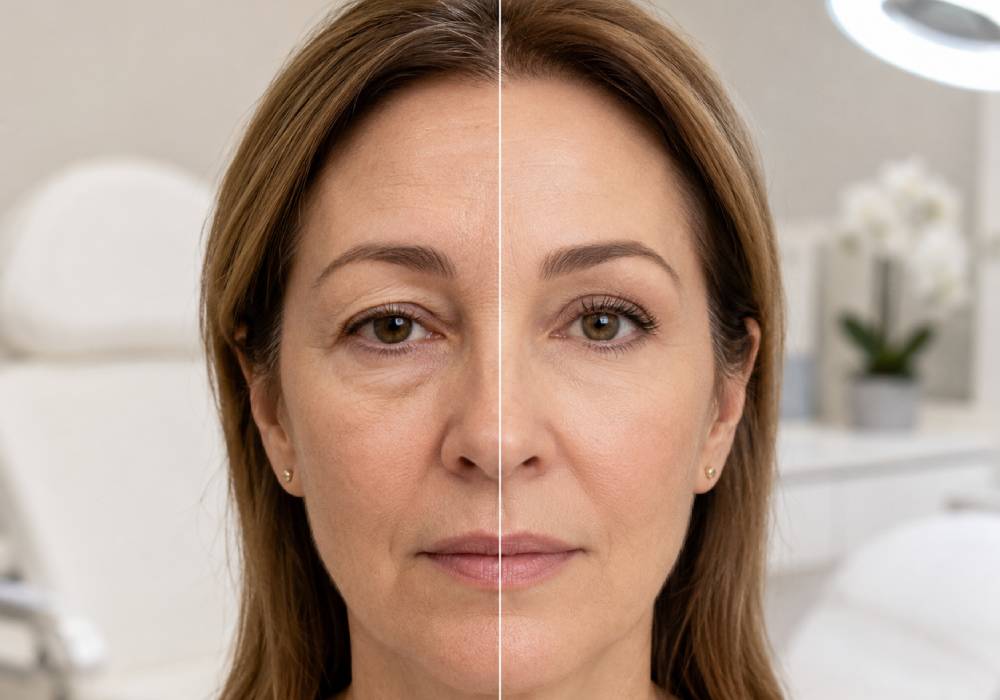
The results of Botox injections depend not only on the amount of product injected but also on the structure and activity of the facial muscles. Muscle contraction strength, size, and movement patterns vary from person to person and can affect the degree of wrinkle reduction and the natural appearance of the results. Therefore, a thorough assessment of facial anatomy before treatment helps the physician determine the appropriate injection points and dosage based on each individual’s facial characteristics while preserving facial balance and natural movement.
The Role of Muscle Anatomy in Botox Injection Planning
Understanding the anatomy of the facial muscles is a fundamental part of planning Botox treatment, as the location, contraction strength, and activity level of the muscles vary from one person to another. By carefully assessing facial movements, including raising the eyebrows, frowning, and smiling, the physician can determine which muscles play a greater role in the formation of wrinkles.
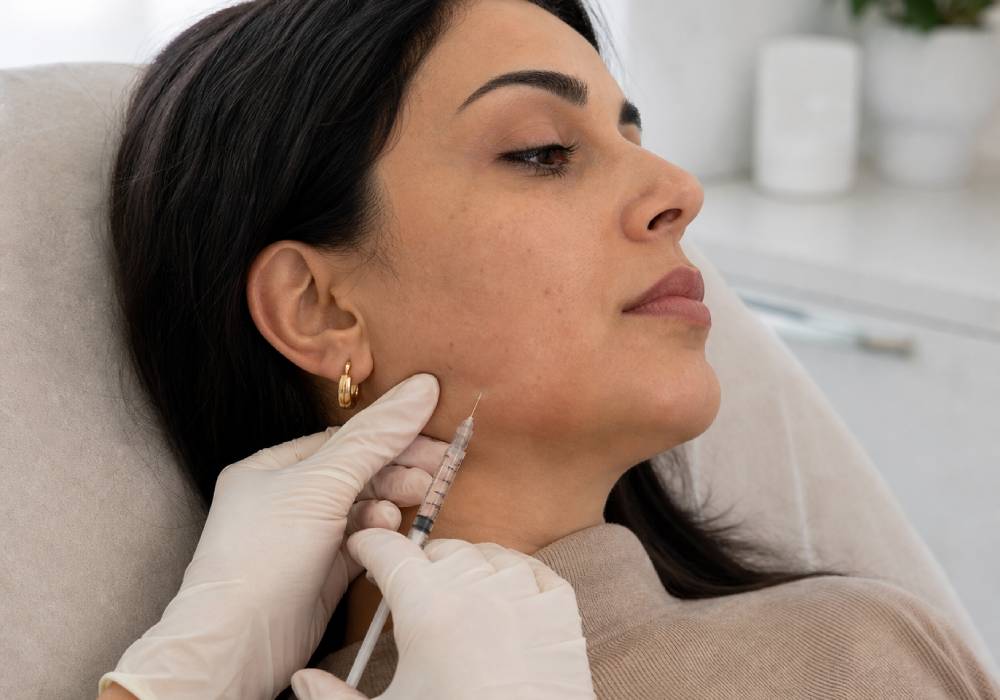
This assessment helps identify the precise injection points and the required amount of Botox, allowing muscle activity to be reduced in a controlled manner while maintaining facial balance and a natural appearance. Paying attention to the muscular structure also reduces the risk of unwanted changes in the shape of the eyebrows or other areas of the face and helps achieve results that are harmonious with the individual’s facial features.
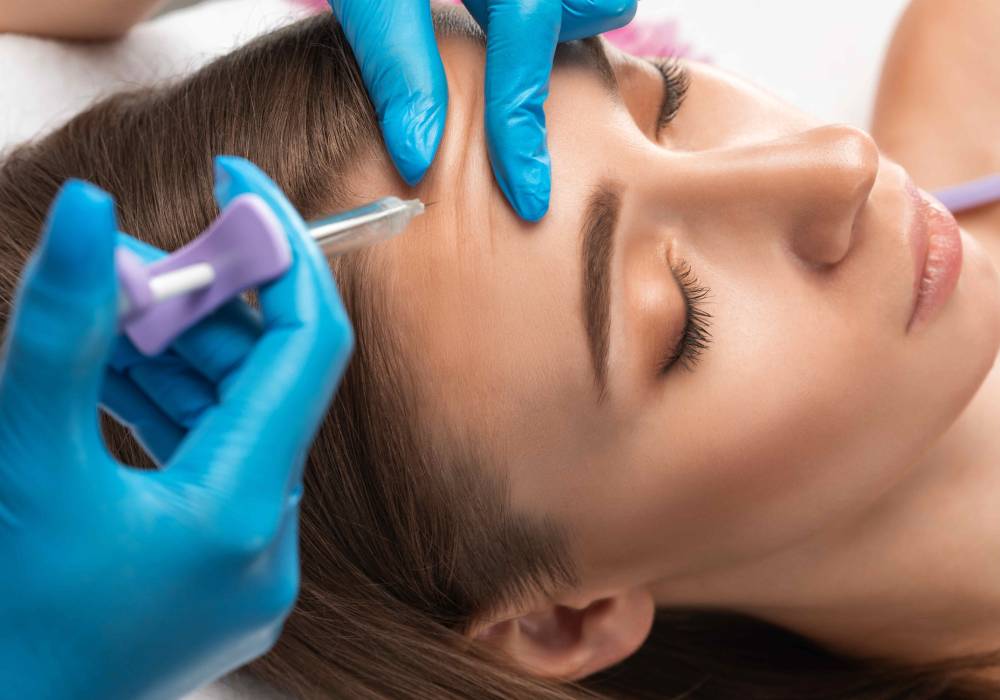
Muscle Contraction Strength and Response to Botox
The strength and activity level of the facial muscles can affect the severity of wrinkles and the way they respond to Botox. Muscles with stronger contractions produce more pronounced movements when frowning, smiling, or raising the eyebrows, which can make dynamic wrinkles more visible on the skin.
By assessing muscle strength, wrinkle severity, and facial movement patterns, the physician determines the amount and injection sites of Botox according to each individual’s needs. The goal of treatment is to reduce excessive muscle activity and soften dynamic wrinkles without excessively restricting natural facial expressions and movement. When some facial lines are associated with tissue volume loss or skin changes, treatments such as bi-filler injections may also be considered alongside other procedures.
Forehead Muscle Structure and Eyebrow Movement Control
The frontalis muscle is one of the key muscles involved in eyebrow movement and the formation of horizontal forehead lines, and its level of activity can directly affect the outcome of Botox treatment. In some individuals, this muscle is highly active to help keep the eyebrows elevated, and excessively reducing its strength may cause the eyebrows to sit lower or create a feeling of heaviness in the forehead.
For this reason, assessing eyebrow movement, muscle strength, and the appearance of lines when raising the eyebrows is important before treatment. Based on these factors, the physician adjusts the injection sites and amount of Botox to reduce forehead lines while maintaining balance among the muscles around the eyebrows and preserving the natural appearance of the face.

Frown Muscle Activity and the Formation of Glabellar Lines
The muscles in the glabellar region play a primary role in pulling the eyebrows toward each other and forming vertical lines between them. The corrugator supercilii and procerus muscles become active when frowning, concentrating, or expressing certain emotions, and repeated contractions over time can deepen lines in this area.
Since the strength and activity patterns of these muscles vary from person to person, carefully assessing eyebrow movement before Botox treatment is important. Evaluating the intensity of muscle contraction and the location of muscle activity helps the physician coordinate the treatment points with the facial structure, reducing frown lines while maintaining eyebrow movement and natural facial expression.
The Role of the Orbicularis Oculi Muscle in Lines Around the Eyes
The orbicularis oculi muscle is the primary muscle responsible for movements around the eyes and becomes active when smiling, laughing, and squinting. Repeated contractions of this muscle can gradually make crow’s feet at the outer corners of the eyes more prominent. Since the strength and activity pattern of this muscle vary among individuals, the severity of these lines also differs from person to person. During Botox treatment, carefully assessing the movement of this muscle is important so that its activity can be reduced enough to soften dynamic lines while preserving a natural smile and subtle movements around the eyes.

Differences in Muscle Patterns Between the Two Sides of the Face
Muscle activity patterns are not always perfectly symmetrical on both sides of the face, and this difference can affect Botox results. One side of the face may be more active when frowning, smiling, or raising the eyebrows, or the strength of muscle contractions may differ between the two sides. This muscular asymmetry may not be noticeable at rest and can become more apparent during facial movements.
Carefully assessing the movements on both sides of the face before treatment helps the physician coordinate the amount and location of treatment with the function of each area and maintain facial movement balance. In individuals whose visible asymmetry is associated with differences in tissue volume, procedures such as facial fat injections may also be considered alongside other aesthetic treatments.
The Relationship Between Different Facial Muscles and the Final Botox Result
Facial muscles work together in a coordinated manner, and the function of one muscle can influence the movement of surrounding areas. For example, the forehead and eyebrow muscles work together to maintain eyebrow position, and reducing the activity of one muscle may alter the balance between opposing muscular forces.
For this reason, Botox treatment should not focus on a single wrinkle without considering the overall facial movement pattern. Assessing the strength and activity patterns of surrounding muscles helps the physician coordinate the amount and injection sites with the facial structure. This approach can help reduce wrinkles while maintaining facial symmetry and natural movement.
The Effect of Muscle Volume and Thickness on Injection Planning
The volume and thickness of the facial muscles are important factors in planning Botox treatment, as each individual’s muscular structure affects the intensity of movement and the degree of contraction in a specific area. Thicker and more active muscles may generate greater force when frowning, raising the eyebrows, or performing other facial movements, potentially resulting in more pronounced dynamic lines on the skin.
By assessing muscle volume, contraction strength, and movement patterns, the physician can tailor the amount and injection points to the individual’s facial characteristics. This assessment allows muscle activity to be controlled precisely, helping reduce wrinkles without excessively limiting natural facial movement and while maintaining harmony among the different areas of the face.
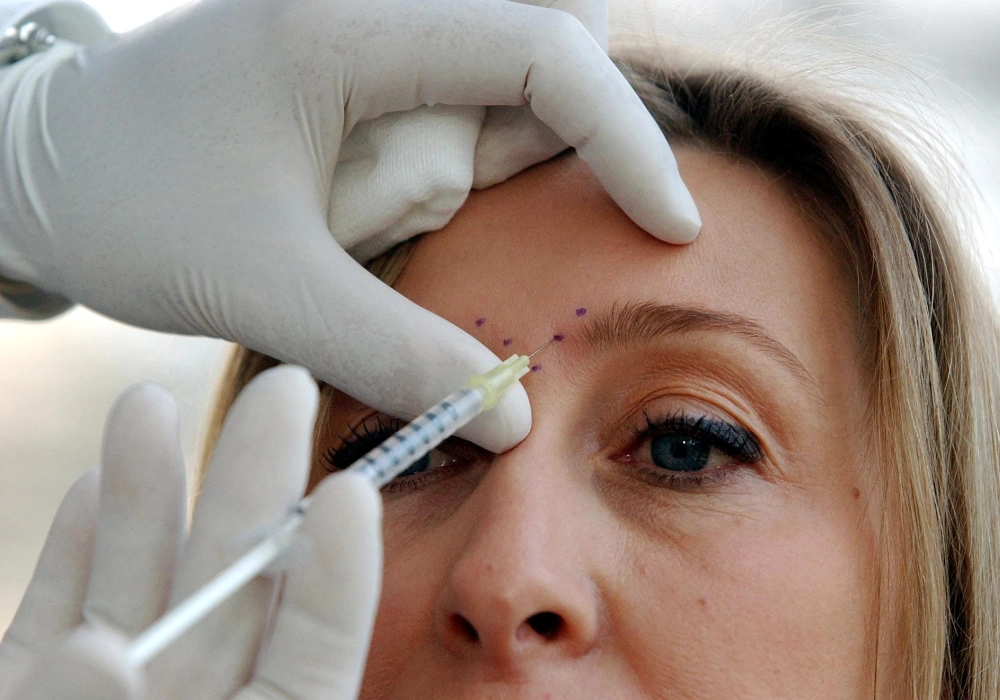
Muscular Structure and Maintaining Natural Facial Expressions After Botox
Maintaining natural facial expressions after Botox is closely related to the coordinated function of the facial muscles. The forehead, eyebrow, and eye-area muscles work together to control various facial movements, and excessive reduction in the activity of one muscle may affect the balance between these areas. Therefore, assessing muscle contraction strength, the location of muscle activity, and the relationship between different muscles before treatment is highly important. This allows muscle activity to be reduced in a controlled manner while minimizing lines and preserving natural facial expressions and subtle movements.
In individuals whose facial appearance is affected by tissue volume loss, bi-filler injections may be considered alongside other treatments to restore volume, as Botox and volume-enhancing treatments have different applications and mechanisms of action.
The Effect of Muscle Structure on the Duration of Botox Results
The level of activity and strength of the facial muscles can influence how long the effects of Botox last. In muscles that contract frequently and forcefully, the gradual return of muscle activity may become noticeable sooner, and dynamic lines may gradually reappear.
However, muscle activity alone does not determine the duration of Botox results. Factors such as the treatment area, the amount of product used, individual physical characteristics, and the muscles’ response to treatment also play important roles. A detailed assessment of movement patterns and muscle strength helps the physician develop a treatment plan suited to each individual, allowing the desired level of muscle activity reduction and the duration of results to be maintained within an appropriate range.
The Difference Between Dynamic and Static Wrinkles in Muscle Assessment
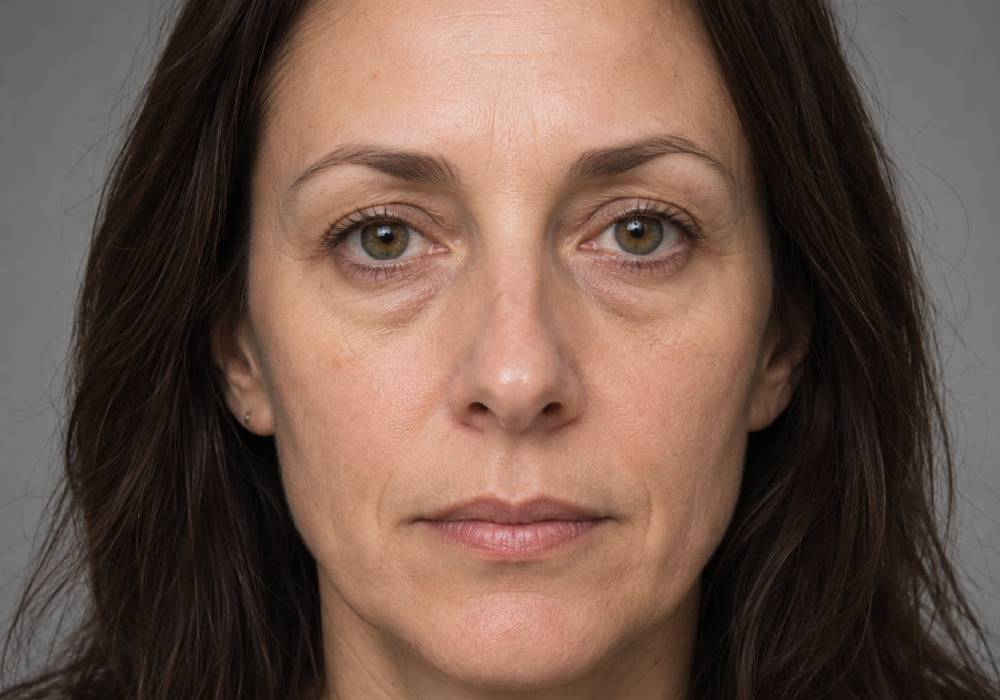
Distinguishing between dynamic and static wrinkles is important when assessing facial muscle function. Dynamic wrinkles become more visible during muscle contractions and facial movements such as frowning, smiling, or raising the eyebrows and are generally directly associated with muscle activity. Static wrinkles, on the other hand, remain visible even when the face is at rest and may be associated with reduced skin elasticity and tissue volume loss.
Understanding this difference helps the physician better determine the role of muscle activity in wrinkle formation and identify which lines are more likely to respond to reduced muscle activity. When wrinkles remain deep even at rest, other treatments, such as bi-filler injections, may also be considered to address volume loss or improve skin quality.
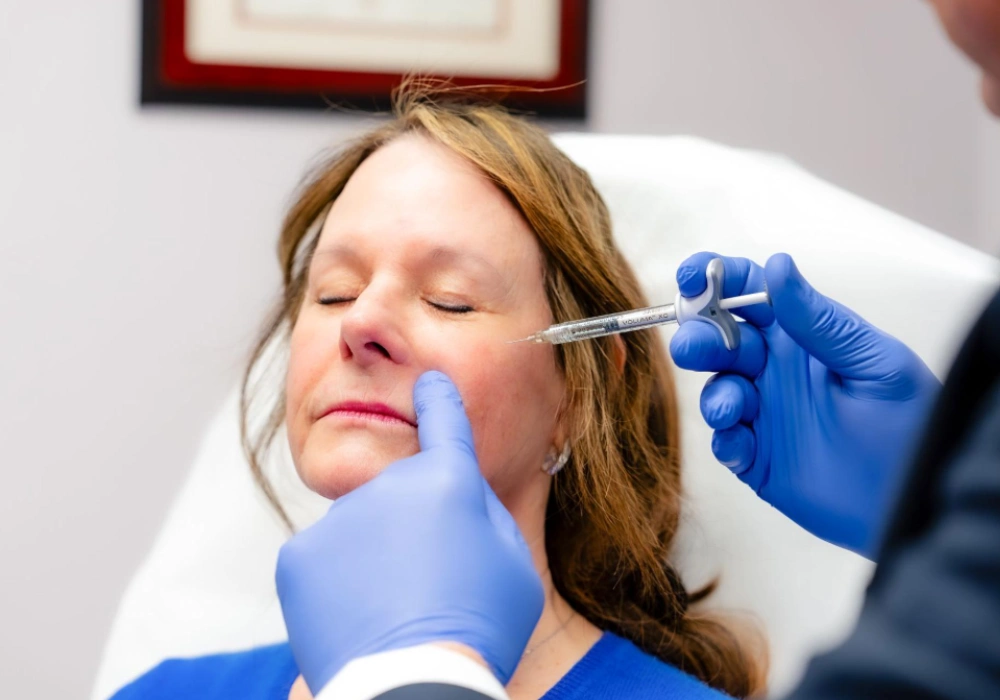
The Importance of Assessing Facial Movements Before Botox Injections
Assessing facial movements before Botox injections is one of the most important steps in understanding muscle activity patterns. By observing the face at rest and during movements such as frowning, smiling, raising the eyebrows, and squinting, the physician can identify which muscles are more active and determine which movements contribute to the formation of lines in each area.
This assessment also reveals differences in muscle strength between the two sides of the face and the relationship between adjacent muscles. Based on this information, the treatment points and amount of Botox can be tailored to each individual’s muscular structure, helping reduce excessive muscle activity while maintaining natural movement and balance in the eyebrows, forehead, and other areas of the face.
Factors Affecting Botox Results Alongside Muscle Structure
Botox results depend not only on muscle strength and structure but also on skin characteristics and individual factors. Wrinkle depth, skin elasticity, age, lifestyle, the intensity of daily facial movements, and the treatment area can all affect the visibility of wrinkles and the duration of treatment results.
Lines that remain visible at rest may also respond differently from those that appear only during muscle movement. Therefore, assessing skin condition alongside muscle function helps the physician better identify the underlying causes of facial lines and develop a treatment plan based on the individual’s specific facial needs.
The Importance of Physician Expertise in Analyzing Facial Anatomy
A detailed analysis of facial anatomy is one of the most important aspects of Botox treatment, as the muscular structure varies from person to person. By assessing the location of the muscles, their level of activity, and the way different areas of the face work together, a qualified physician can develop a treatment plan based on the individual’s specific facial characteristics. This understanding helps identify the muscles that contribute most to dynamic lines and reduce their activity while maintaining the natural balance of the face.
A physician’s experience and knowledge of the relationships between the forehead, eyebrow, and eye-area muscles are particularly important, as even a small change in the activity of one muscle can affect the shape and movement of surrounding areas. Individuals who are considering Botox injections can visit Dr. Karina Ghadimi Clinic for a professional assessment of their facial muscle structure and access to specialized services. At this clinic, a detailed evaluation of facial anatomy and a treatment plan tailored to each individual’s characteristics can help maintain natural facial expressions and achieve harmonious results.
Also read: