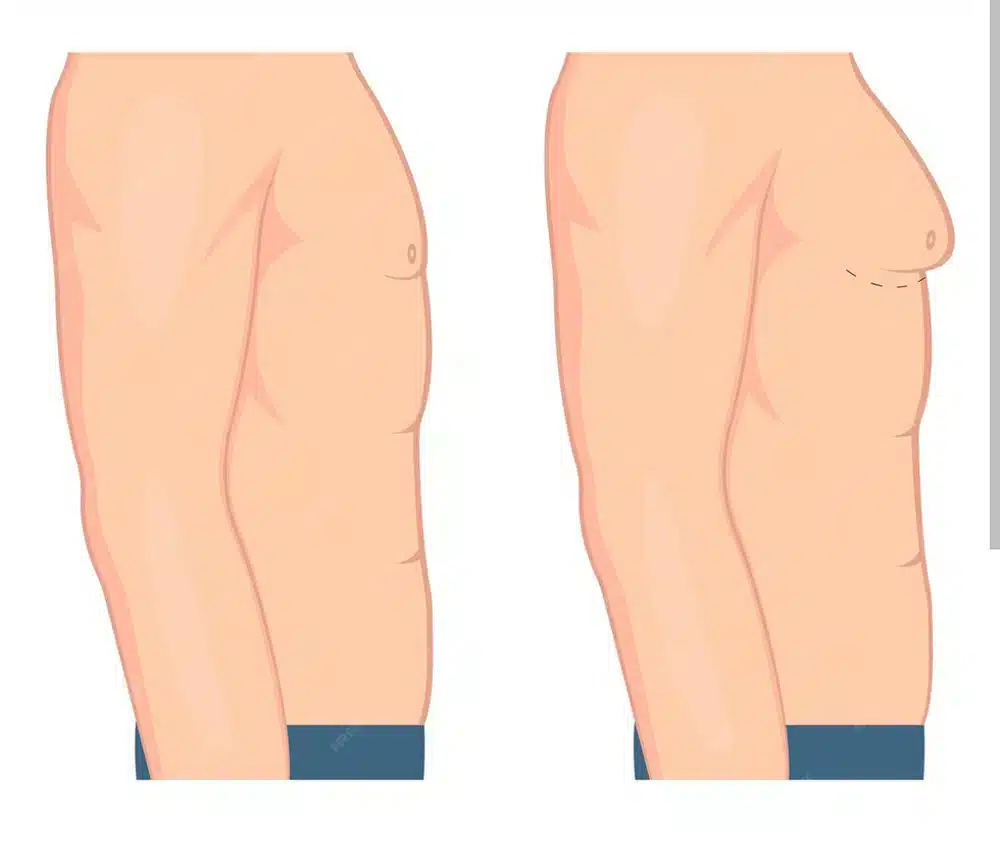
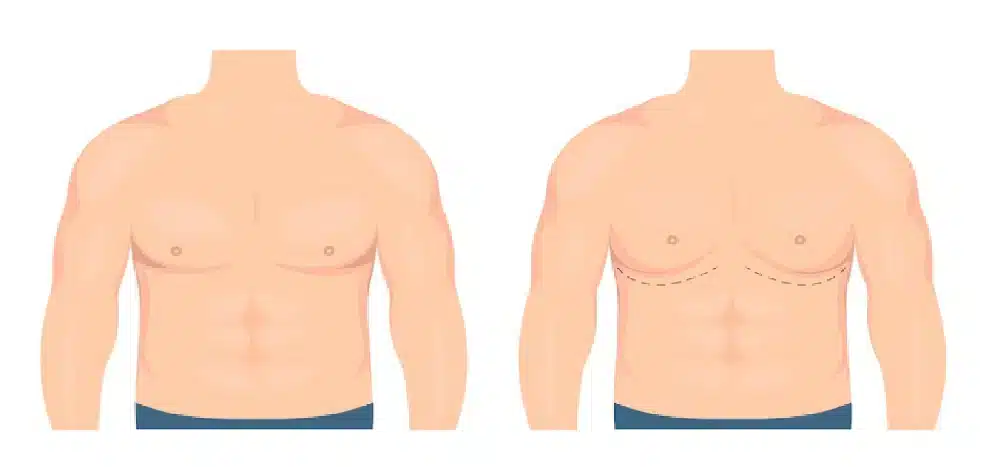
Gynecomastia, or abnormal enlargement of the male breasts, is a common medical condition that can occur at any age. This condition often arises due to hormonal changes, the use of certain medications, or underlying medical conditions, and it can have significant physical and psychological effects on the individual. Enlarged male breasts not only pose aesthetic concerns but may also be accompanied by pain or tenderness, affecting self-confidence.
Main Causes of Gynecomastia
Understanding the causes of gynecomastia is crucial for selecting the appropriate treatment approach. This issue can occur for several reasons, including:
- Hormonal Changes: Hormonal imbalance is one of the primary causes of gynecomastia. This condition can occur during puberty, middle age, or old age, when estrogen levels increase relative to testosterone.
- Medication Use: Certain medications, such as anabolic steroids, antidepressants, anti-anxiety drugs, and some heart medications, can lead to breast enlargement.
- Underlying Medical Conditions: Liver problems like cirrhosis, kidney failure, hyperthyroidism, or hormone-producing tumors may trigger gynecomastia.
- Alcohol and Drug Use: Excessive alcohol, marijuana, or other drugs can disrupt hormonal balance and contribute to the problem.
- Obesity: While fat accumulation alone is not considered true gynecomastia, it can make the breasts appear larger and may be associated with glandular tissue growth.
At Dr. Karina Clinic, specialists perform a comprehensive review of the patient’s medical history, hormonal tests, and imaging if necessary to identify the exact cause of gynecomastia. This precise approach ensures the selection of the best treatment method.
Symptoms of Gynecomastia
Gynecomastia symptoms may be both physical and psychological. Common signs include:
- Abnormal enlargement of the breasts, unilateral or bilateral
- Pain or tenderness in the breast area
- Palpable lumps beneath the nipple
- Asymmetry in breast shape

Diagnosis of Gynecomastia
Accurate diagnosis is the first step for effective treatment. The diagnostic process includes:
Physical Examination: Specialists evaluate the type and extent of abnormal growth by examining the breasts and palpating the tissue.
Blood Tests: To check hormone levels and identify possible imbalances.
Imaging: In some cases, ultrasound or mammography is used to differentiate between glandular tissue and fat or to detect abnormal masses.
Medical History Review: Information on medications, illnesses, and lifestyle helps achieve a more accurate diagnosis.
Treatment Methods for Gynecomastia
Gynecomastia can be treated with various methods depending on the cause and severity:
Medication: In early stages and in cases of hormonal imbalance, drugs like tamoxifen may be prescribed to reduce breast tissue. This non-invasive method is suitable for mild cases.
- Liposuction: Used to remove excess breast fat. This minimally invasive procedure involves small incisions and has a short recovery period.
- Mastectomy: In severe cases, surgical removal of excess glandular tissue is recommended. This procedure provides permanent results and is sometimes combined with liposuction.
- Lifestyle Changes: Weight loss, stopping alcohol and drug use can improve symptoms, especially if obesity or substances are contributing factors.
- Monitoring: In cases such as puberty, gynecomastia may resolve spontaneously and only require medical supervision.
Choosing the Right Treatment
The choice of treatment depends on age, cause, and severity of gynecomastia. Hormonal tests and imaging assist in accurate diagnosis. After treatment, following post-operative care such as wearing a compression garment and avoiding strenuous activities is essential.
Benefits of Gynecomastia Treatment
Expertise: The clinic team consists of experienced specialists in cosmetic surgery and hormonal disorders.
Advanced Equipment: Utilizes modern technology for diagnosis and treatment.
Professional Consultation: Offers precise guidance and a personalized treatment plan.
Safe and Comfortable Environment: A professional space ensuring patient confidence and peace of mind.
Prevention of Gynecomastia
- Maintain a Healthy Weight: Obesity can enlarge breast appearance and increase estrogen production. A healthy diet and regular exercise help control weight and reduce excess fat.
- Avoid Alcohol and Drugs: Excessive alcohol, marijuana, or anabolic steroids disrupt hormonal balance and increase the risk of gynecomastia. Limiting or avoiding these substances is an effective preventive measure.
- Medication Caution: Certain medications such as antidepressants, steroids, or heart medications may trigger gynecomastia. Consulting a doctor before starting or changing medications is essential.
- Manage Underlying Conditions: Liver or thyroid diseases can lead to hormonal imbalance and gynecomastia. Regular check-ups and timely treatment help prevention.
- Monitor Hormonal Changes: If unusual breast enlargement occurs, checking hormone levels under medical supervision can prevent progression.
Psychological and Social Impact
Gynecomastia is not just a physical issue; it can have significant psychological effects, such as reduced self-confidence, anxiety, or social isolation. Many men avoid activities like swimming or wearing tight clothing due to the unusual appearance of their chest.
Conclusion
Gynecomastia, as a treatable condition, can be effectively managed by understanding its causes and utilizing appropriate treatments. From hormonal changes to medication use and underlying medical conditions, awareness of the root causes is the first step in addressing the issue. Timely treatment—whether through medication, surgery, or lifestyle modification—not only improves physical appearance but also restores self-confidence and mental well-being. With consultation from specialists and the right approach, this challenge can be overcome, leading to overall health and improved quality of life.
Read Also:
Breast implant under the muscle or under the tissue which method is better?